
TLDR
- Praise effort, not traits. Telling a child 'you're so smart' makes them avoid challenges. Describing what they did ('you kept trying different pieces until it fit') builds real confidence.
- Let them struggle. Jumping in to fix every frustration robs your child of the experience that builds competence. Tolerate their discomfort longer than feels natural.
- Self-esteem follows mastery. Children feel capable after doing hard things, not after hearing they are capable. The sequence matters.
- Shame destroys faster than praise builds. One shaming comment can undo weeks of encouragement. Watch your tone when correcting mistakes.
- Connection is the foundation. A child who feels securely attached to you can tolerate failure because they know their worth is not conditional on performance.

The praise problem nobody warned you about
Your kid draws a picture and you say "Wow, you're such an amazing artist!" You mean well. But you just made it harder for them to try again.
Here is what happens inside a child's brain when they hear trait-based praise: they file it under identity. I am an artist. I am smart. I am good at math. The next time that identity gets threatened (a drawing that looks terrible, a math problem they cannot solve), they have two options: avoid the challenge or fall apart.
Children who are praised for effort try harder things. Children who are praised for being smart avoid situations where they might look dumb. This is one of the most replicated findings in developmental psychology.
The fix is specific. Instead of "you're so smart," try "you worked on that for twenty minutes without stopping." Instead of "beautiful painting," try "I notice you mixed three colors to get that shade of green." You are describing what they did, not who they are.
This connects directly to how a growth mindset builds authentic confidence rather than the fragile kind that shatters at the first setback.
Whispering I'm stupid
The Intentional Parenting course will show you how real confidence gets built
Your child will get a problem wrong and try again instead of shutting down, because your responses will have rewired the reflex.
Why self-esteem cannot be given
Parents try to hand children self-esteem like a gift. Affirmation posters on the wall. Daily compliments. Participation trophies. The intention is beautiful. The mechanism is broken.
Self-esteem is a byproduct of competence. A child feels confident after they tie their shoes, not after you tell them they are great at tying shoes. The feeling has to come from inside the experience, not from outside commentary.
Your job is to create conditions where they can do hard things and discover they are capable.
Stop rescuing so fast
Your three-year-old is struggling with a puzzle piece. You can see exactly where it goes. Every cell in your body wants to rotate it 45 degrees and slide it into place.
Don't.
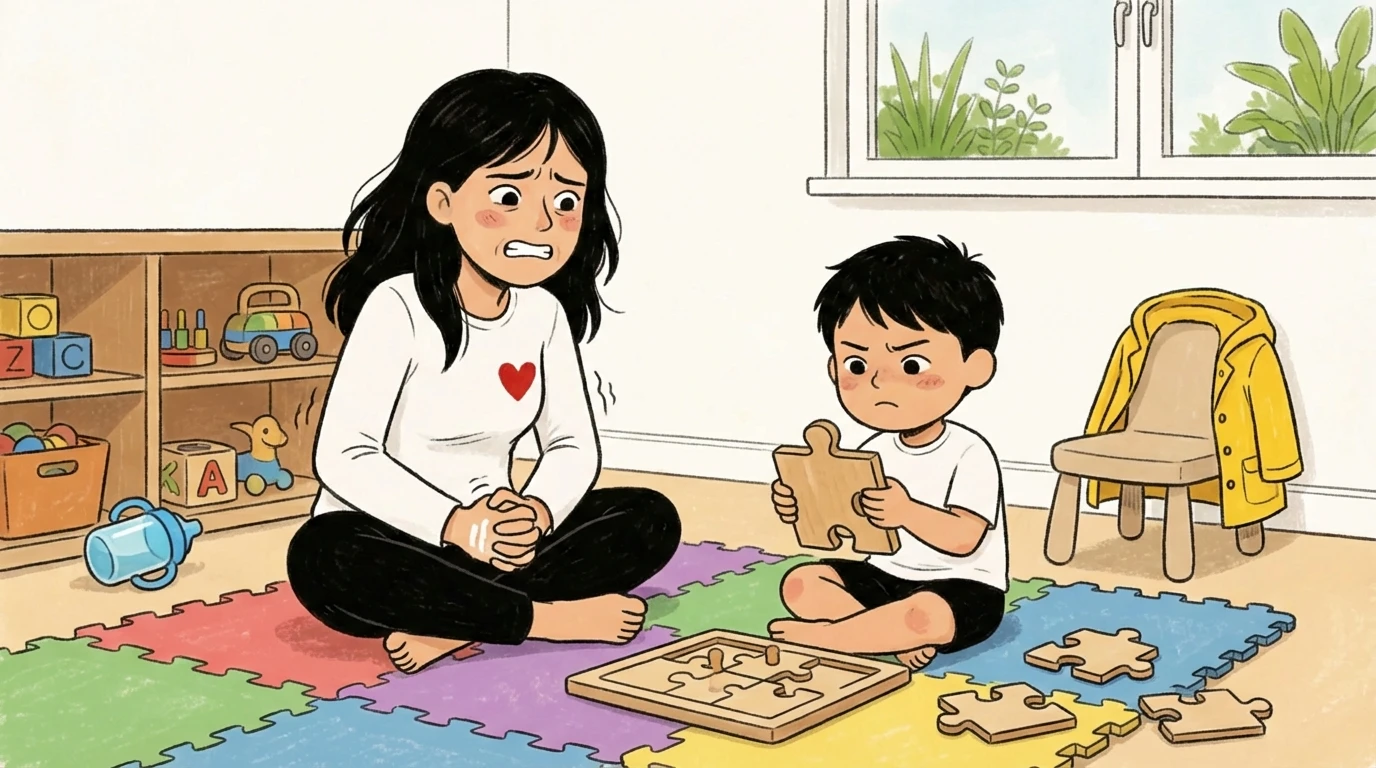
The struggle is where confidence gets built. When your child finally gets that boot on by themselves, they own it. That feeling of I did it cannot be manufactured by a parent who did it for them.
This does not mean you abandon them. You stay close. You say "that looks tricky" or "you're really working on it." You tolerate their frustration longer than feels comfortable. And when they figure it out, you describe what happened: "You kept pulling even when it was stuck."
The competence loop
Confidence works in a cycle: attempt something hard, struggle, succeed (or fail and try again), feel capable, attempt something harder. Every time you interrupt the struggle phase, you break the loop.
Children who are protected from every disappointment never develop the internal evidence that they can handle difficulty. Resilience and self-esteem feed each other. You cannot have one without the other.
What shame does to the whole system
You can spend weeks building your child's confidence and demolish it in one sentence. "What is wrong with you?" "Why can't you just listen?" "Your sister never does this."
Shame does not motivate better behavior. It teaches a child that something is wrong with who they are at the core. And a child who believes they are broken does not try harder. They stop trying.
The difference between shame and guilt matters here. Guilt says "I did a bad thing." Shame says "I am bad." Guilt can be productive. Shame is corrosive. Understanding how children develop shame helps you see how quickly an offhand comment can become a core belief.
Watch your tone when correcting mistakes. "You spilled the milk" is information. "You ALWAYS spill things" is an identity statement. Children believe what you say about them, especially before age seven.
What to say instead of "good job"
The phrase "good job" is so automatic that most parents say it forty times a day without thinking. It is not harmful, but it is empty. It does not tell your child what they did well, so it does not help them repeat it.
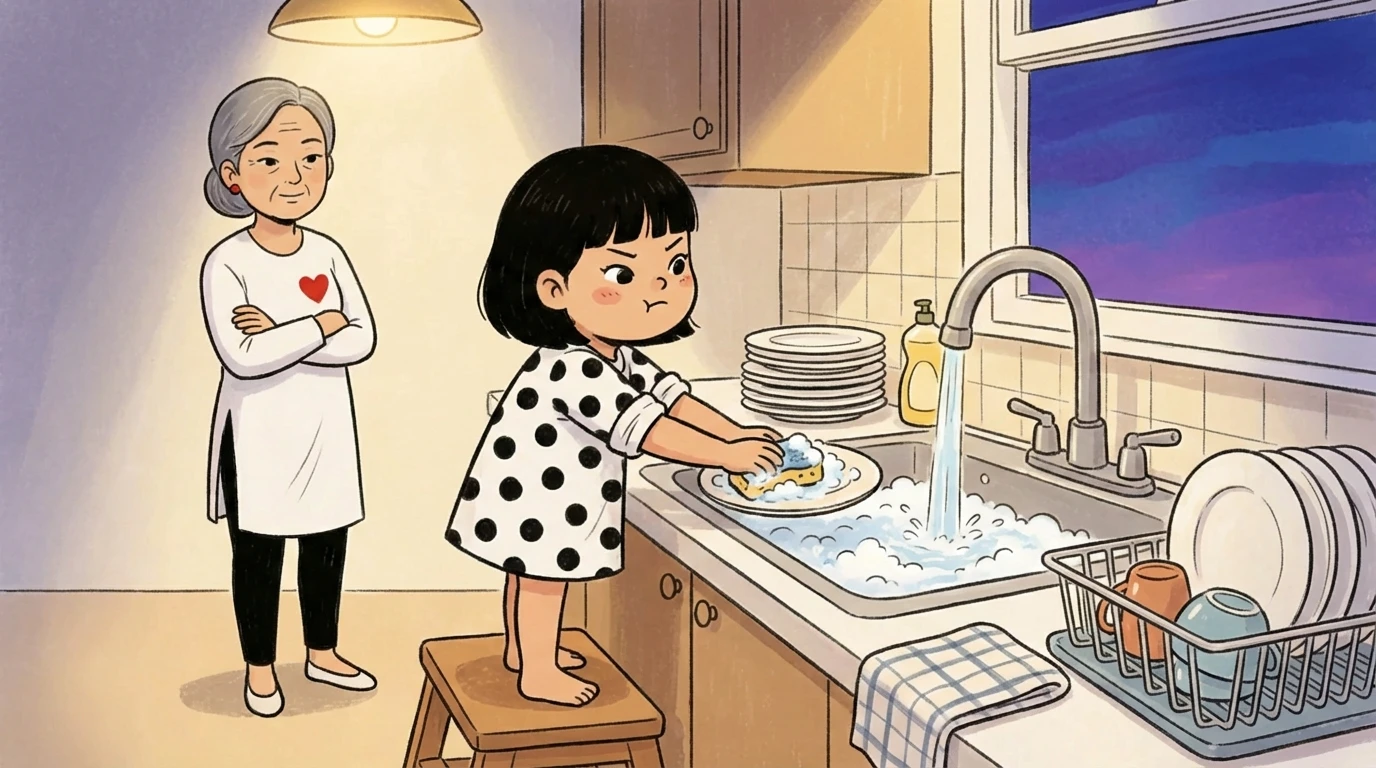
Try these replacements:
- Instead of "good job cleaning your room," say "you put every book back on the shelf and made your bed. That took some work."
- Instead of "you're so brave," say "you were scared of the slide and you went down anyway."
- Instead of "smart kid," say "you figured out that the big block goes on the bottom."
When they fail
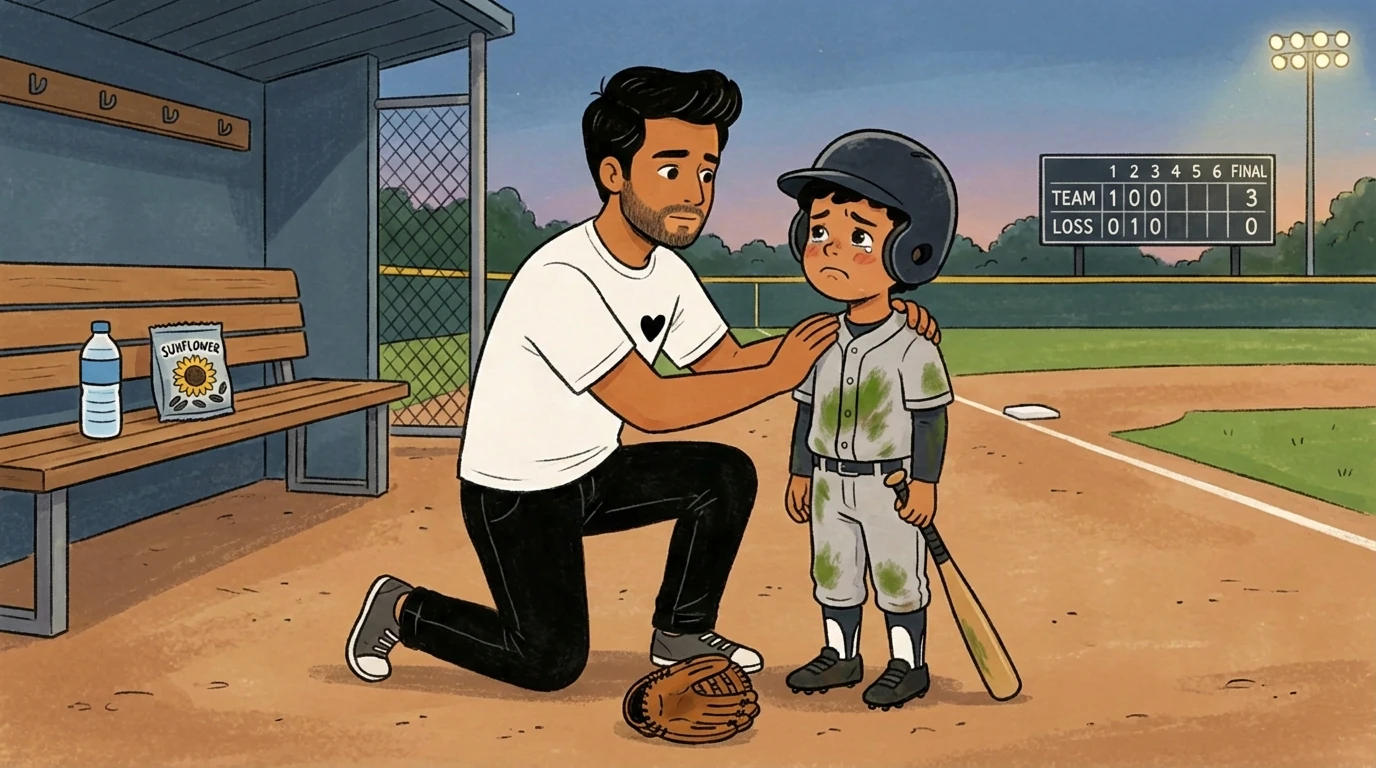
This is where most parents panic. Your child strikes out. Loses the spelling bee. Gets rejected by a friend. The instinct is to minimize: "It's okay, you'll get it next time!"
That dismisses what they feel. A better response: "That was really disappointing. You practiced a lot." Then be quiet. Let them sit with it. The ability to feel disappointment and survive it is where real confidence lives.
If your child's inner voice after a failure sounds like "I'm so stupid" or "I can't do anything right," that is negative self-talk worth paying attention to. The pattern often starts early and gets louder without intervention.
Connection is the floor, not the ceiling
All of this advice sits on top of one thing: your child needs to feel securely attached to you. A child who worries about whether you love them cannot take risks, because failure might cost them the relationship.
When your child knows that your love is not conditional on their performance, they can afford to fail. They can try the hard math problem, audition for the play, tell you they broke something. The safety net of connection makes risk possible.
This is why the complete parenting approach series starts with relationship before strategy. Techniques without connection are just manipulation dressed up in nicer language.
How to build real self-esteem in your child
- Describe effort, not traitsReplace 'you're so smart' with specific observations about what your child did. 'You tried four different ways before it worked' teaches them that effort leads to outcomes.
- Resist the rescue reflexWhen your child struggles, stay close but keep your hands in your lap. Narrate what you see ('that looks tricky') instead of solving it. Their frustration is not your emergency.
- Let failure happen safelyAllow age-appropriate disappointments. A forgotten lunch, a lost game, a rejected playdate invitation. Your child needs evidence that bad feelings pass.
- Separate behavior from identitySay 'you hit your brother and that is not okay' instead of 'you are being mean.' Keep correction about actions, never about who they are.
- Ask instead of tellingWhen your child gets stuck, ask 'what could you try next?' before offering solutions. This builds problem-solving confidence one question at a time.
The long game
Building self-esteem looks more like thousands of small moments where your child discovers what they can do, feels safe enough to fail, and has someone nearby who notices the effort rather than just the result.
The children who grow into genuinely confident adults were allowed to struggle, celebrated for trying, and loved regardless of the outcome.
If you notice that different children in your family seem to receive encouragement differently, understanding parenting love languages can help you tailor your approach to what each child absorbs best.
You will get this wrong sometimes. You will blurt out "good job" on autopilot. You will rescue your kid from the puzzle because you are late for dinner. That is fine. The pattern matters more than any single moment. And the pattern you are building, one where effort counts and failure is survivable, is the foundation for raising kind, empathetic, responsible kids who trust themselves enough to do the right thing even when it is hard.
FAQ
Start with connection. Make sure they know your love is not performance-based. Then slowly increase opportunities for competence by finding activities where they can experience small successes. Do not flood them with praise. Let mastery speak for itself.
Occasionally, it is fine. The problem is when it becomes the primary form of feedback. A child who hears 'you are smart' as their main compliment starts protecting that identity instead of taking risks. Mix in specific effort-based observations regularly.
Children begin developing a sense of self around age two, and core beliefs about their worth solidify between ages five and eight. The earlier you shift to effort-based praise and allow safe struggles, the stronger the foundation.
They have learned that struggling feels bad and adults will rescue them. Start tiny. Find something just barely outside their comfort zone, stay close, and resist solving it. When they succeed, describe what they did. Rebuild the competence loop one small win at a time.
Help is fine when they genuinely need it. It comes down to timing. Wait until they ask or until frustration crosses into genuine distress. Even then, do the minimum: point instead of placing, suggest instead of solving. Leave them the victory.