TLDR
- Fear shuts down learning. When a child feels threatened by punishment, cortisol floods the brain. The prefrontal cortex goes offline. They cannot process what they did wrong or how to do better.
- Shame teaches hiding, not improvement. A child who feels ashamed learns to conceal behavior. They get sneakier, not more responsible. The lesson they absorb is about avoiding detection.
- Positive reinforcement physically rewires the brain. When you catch and praise the behavior you want, dopamine fires and strengthens that neural pathway. The good behavior becomes the brain's default route over time.
- Specificity makes praise work. Generic 'good job' does almost nothing. Naming the exact behavior ('you asked so calmly for a turn') tells the brain precisely which action to repeat.
- Your attention is the most powerful reinforcer you have. Children repeat whatever gets them noticed. If misbehavior gets a bigger reaction than cooperation, you're accidentally training the wrong thing.
What punishment does to your kid's brain
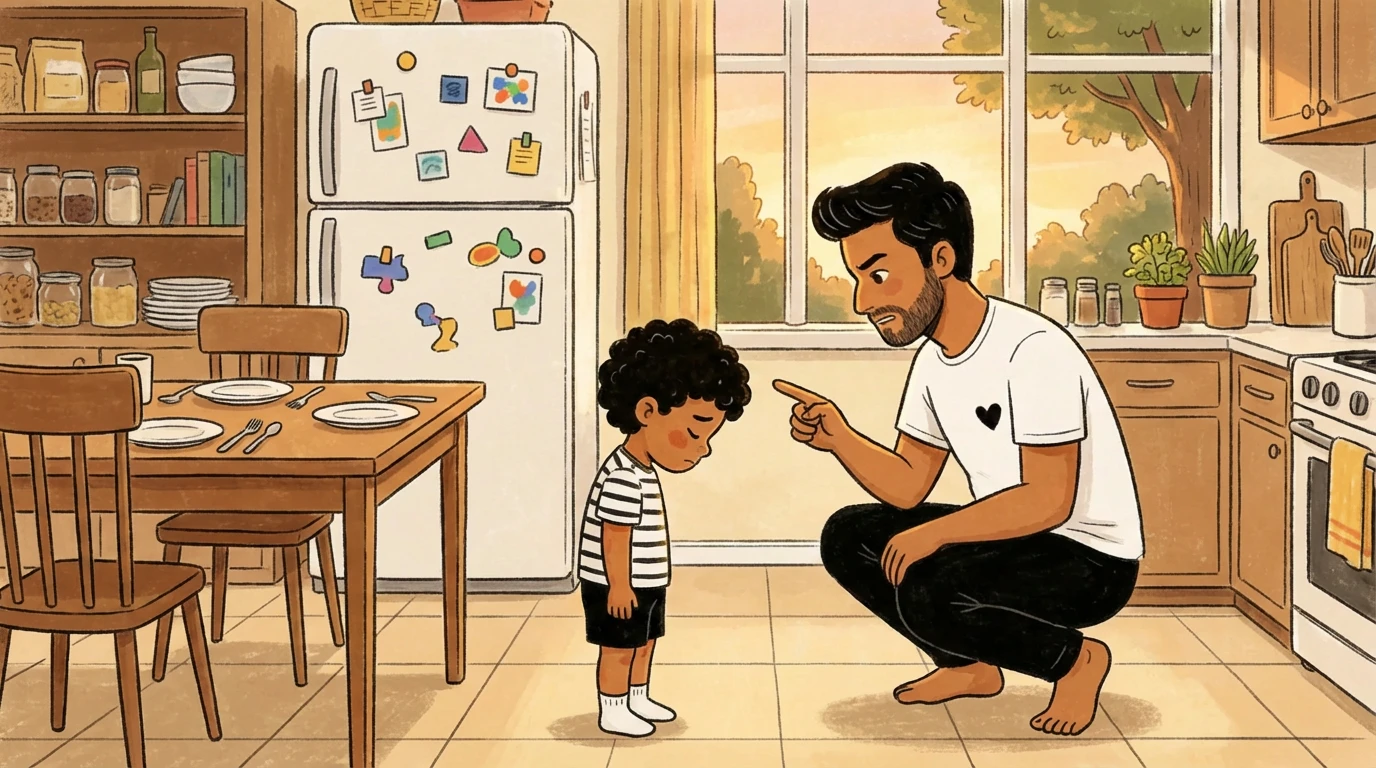
You've told your four-year-old not to throw food at the table roughly eleven thousand times. Tonight he launches a piece of chicken across the room with the confidence of a Major League pitcher. And something in you snaps. You raise your voice. You send him to his room. You take away dessert.
It feels effective. The throwing stops. But here's what happened inside his skull during those thirty seconds of consequences.
His amygdala, the brain's threat detector, fired before your sentence was finished. Cortisol spiked. Heart rate climbed. The prefrontal cortex, the part responsible for connecting action to consequence, for learning "I did X and that's why Y happened," went dark. He's not sitting in his room thinking about his choices. He's sitting in his room feeling afraid, or angry, or both.
The behavior stopped because fear is an effective short-term brake. But the learning you wanted? The "I shouldn't throw food because it's disrespectful and makes a mess" part? That requires a brain region that just went offline.
The consequence made it worse
The Science of Parenting course will show you why punishment backfires
You'll see what's happening in their brain during a consequence and finally understand why removing things escalates.
The cortisol problem
Stress hormones are useful in genuine emergencies. They're terrible for education. When cortisol floods a child's system, it suppresses exactly the brain functions required for moral reasoning: impulse control, perspective-taking, cause-and-effect thinking.
What the fear response teaches
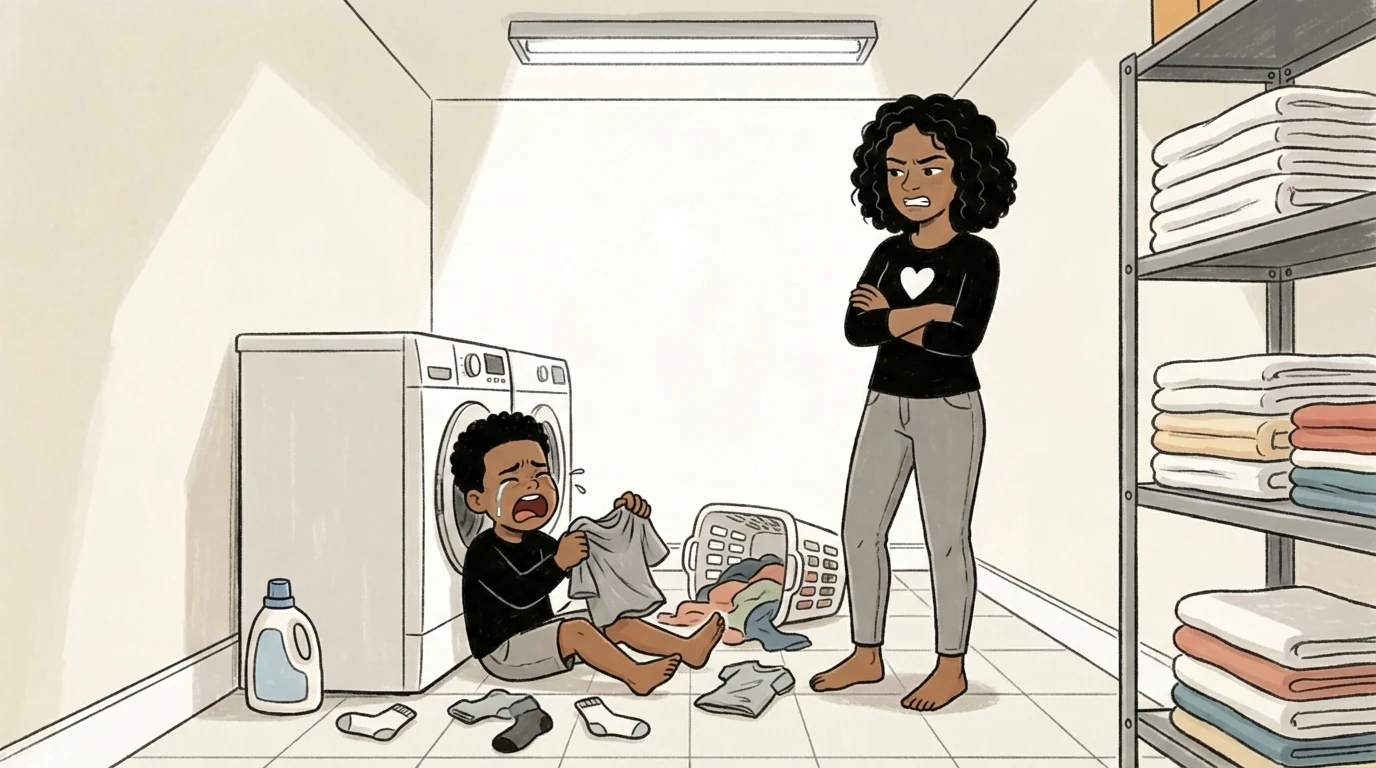
A punished child learns three things, and none of them are what you intended:
- "That person is dangerous right now." The relationship becomes the threat.
- "Don't get caught." They don't stop the behavior. They get better at hiding it.
- "My feelings caused this." Especially with shame-based punishment, kids internalize that their emotions are the problem.
That third one carries into adulthood. Adults who grew up with shame as a primary discipline tool often struggle to identify their own emotions or believe their feelings are valid. The original punishment stopped working decades ago, but the wiring it installed keeps running.
The intergenerational echo
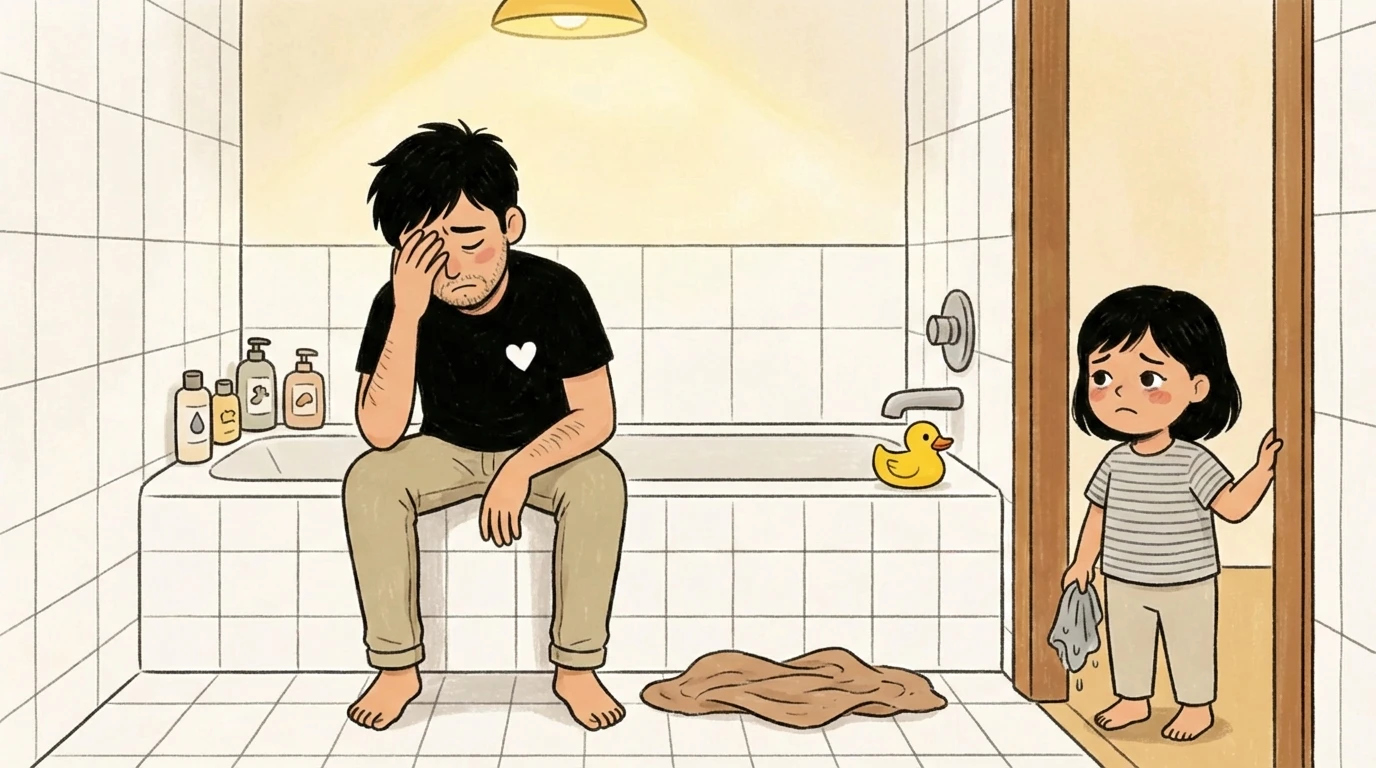
Most parents who use punishment-heavy approaches were raised the same way. "I turned out fine" is the most common defense. But "fine" is a low bar when you dig into what that childhood installed.
Punishment-based discipline passes forward because the brain defaults to the parenting scripts it experienced. Breaking that intergenerational cycle requires conscious effort, because you're overriding neural pathways that have been firing for thirty years.
So what does the brain respond to instead?
Here's the part that sounds too simple to be real: attention.
Human brains, especially developing ones, are wired to repeat whatever behavior produces attention. This is behavioral science at its most basic. A behavior happens, something gets added to the environment (praise, eye contact, a high-five), and the behavior strengthens.
Your child's brain doesn't distinguish between positive and negative attention nearly as much as you think. Yelling at a kid for hitting their sibling while you're on the phone teaches them: "Hitting gets me a parent who stops what they're doing and looks at me." The hitting worked. They'll do it again.
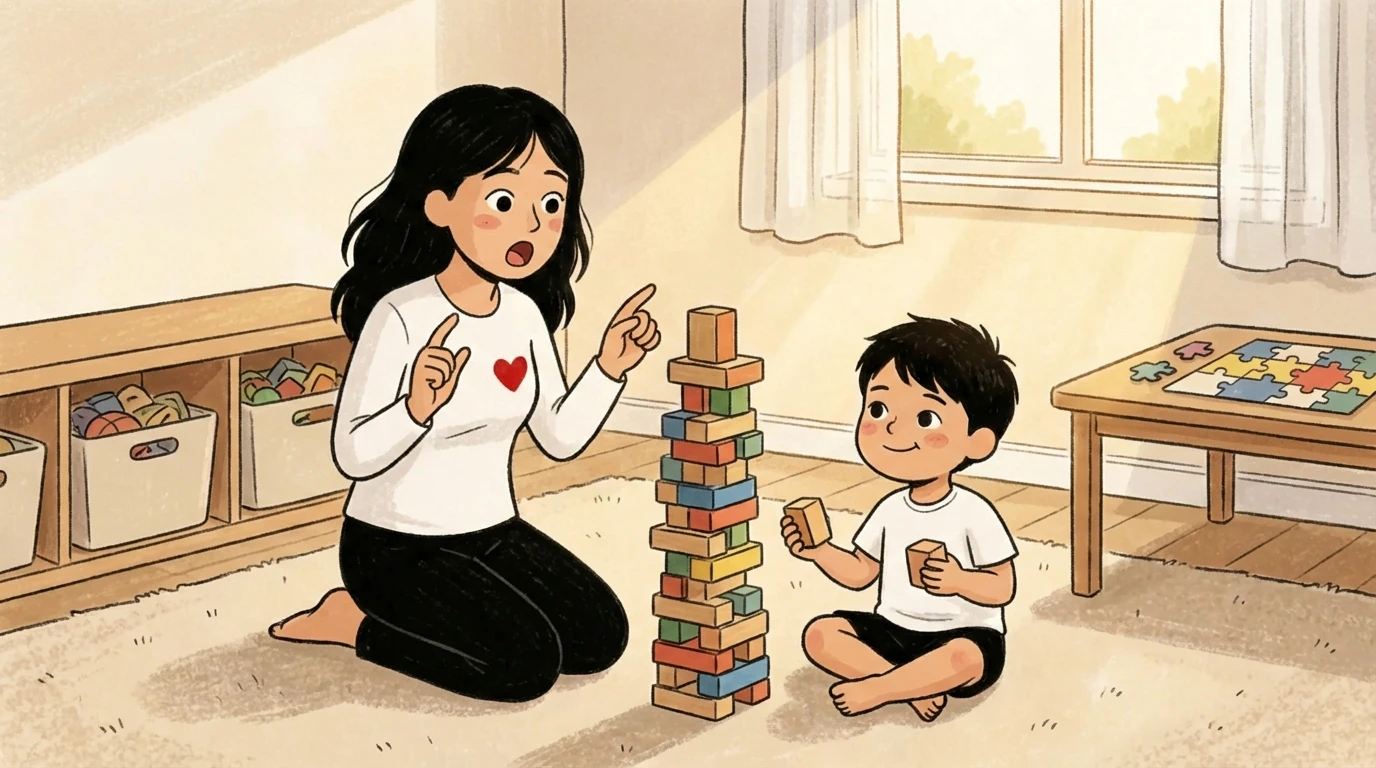
Flip it. When that same kid is playing quietly while you're on the phone, walk over afterward and say, "You played so calmly while I was talking. That was really helpful." Dopamine fires. The neural pathway for "play quietly and good things happen" gets a little stronger.
How to reinforce the behavior you want
- Identify the positive oppositeEvery challenging behavior has a flip side. If your child leaves the table early, the positive opposite is sitting through dinner. If they whine for things, it's asking in a regular voice. Name the behavior you want to see more of.
- Catch it in the momentWhen the good behavior happens, praise immediately. Not at bedtime, not an hour later. The brain needs the reward paired with the action within seconds for the connection to form.
- Be absurdly specificSkip 'good job' entirely. Say exactly what they did: 'You asked your sister for a turn instead of grabbing it. That took real patience.' Specificity tells the brain which exact action earned the reward.
- Skip the grudgeIf your kid has been terrible all day and then does one thing right, praise the one thing. Don't say 'it's about time' or bring up earlier mistakes. Grudges poison reinforcement.
- Find what motivates your kidSome kids light up with verbal praise. Others want a game together, or a special snack, or ten minutes of your undivided attention talking about dinosaurs. The reinforcer has to matter to them, not to you.
The accidental training trap
This is the part that stings. You're probably already using reinforcement. You're just reinforcing the wrong behaviors.
Think about your typical day. When your kid is playing nicely, you're probably doing dishes, answering emails, enjoying the quiet. When they start screaming or throwing things, you drop everything and give them your full, intense, immediate attention.
From the child's perspective, the math is obvious. Quiet play equals being ignored. Chaos equals having a parent who is fully, electrifyingly present. They're not being bad. They're being rational. They found the fastest route to the thing they want most (you), and they're using it.
Replacing punishment with intentional reinforcement means restructuring that equation. More attention for the boring good stuff. Less theatrical response to the bad stuff.
When this feels impossibly hard
Let's be real. "Catch your child being good" is easy advice to give and exhausting advice to follow when you're burned out. If you've been in reactive mode for months (yelling, punishing, then feeling guilty, then doing it again), your nervous system is running a pattern too.
Parental self-care is a prerequisite for positive reinforcement, not a luxury add-on. You cannot notice and praise small moments of good behavior when you're operating on fumes. The part of your brain that spots those moments and formulates specific praise is the same prefrontal cortex that goes offline under stress. Sound familiar? The same brain science applies to you.
Understanding the real difference between punishment and discipline is about knowing which tool you're reaching for and what it does in a developing brain, not about being a perfect parent.
The long game you're playing
Every time you name a specific good behavior, you're running a wire. Every time you reinforce the positive opposite instead of punishing the challenging behavior, you're strengthening a circuit. The change is glacially slow. You won't see it this week. You probably won't see it this month.
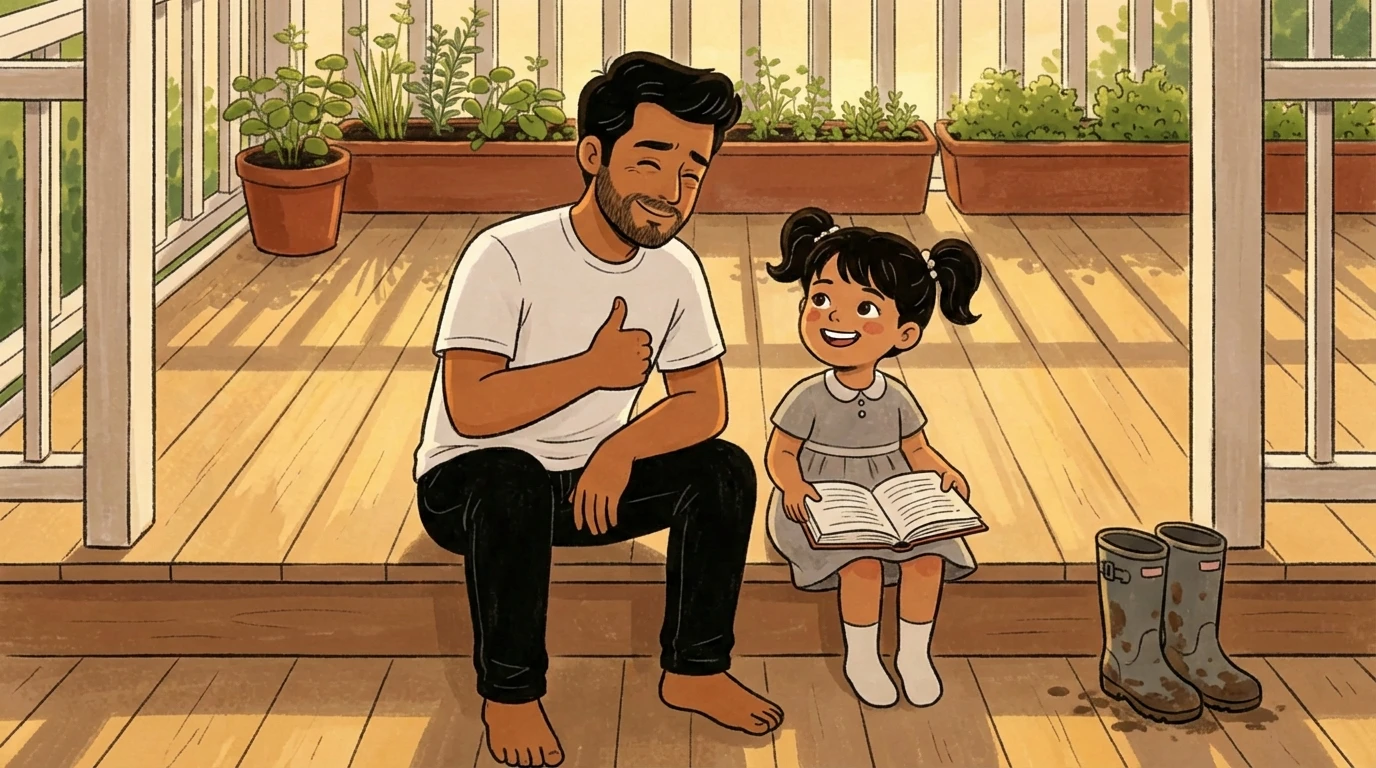
But one day your kid will ask for something in a calm voice instead of whining. And you'll realize they didn't learn that from a time-out. They learned it because fourteen Tuesdays ago, you said, "I love how you asked for that so calmly," and their brain filed it away.
You're building the operating system they'll run on for the rest of their lives. Punishment installs a fear-based system that avoids and hides. Reinforcement installs a confidence-based system that tries and adjusts. Both systems work. Only one of them produces an adult you'd want to spend time with.
FAQ
No. Limits are essential. Positive reinforcement changes how you respond to the behaviors around those limits. You still say 'no throwing food.' You just spend more energy noticing and praising the meals where food stays on the plate than punishing the meals where it flies.
They respond to it because it's what they know. The shift to reinforcement takes weeks of consistency before you'll see results. During that transition, behavior may temporarily get worse as your child tests the new system. That's normal. Hold the line and keep reinforcing the good.
Spoiling comes from giving a child everything they want with no limits. Praise comes from noticing effort and good choices. A child who hears 'you worked really hard on that' is learning that effort gets recognized. Those are opposite lessons.
From infancy. Even babies respond to parental attention and facial expressions as reinforcement. The specific praise approach described here works well starting around age two, when children begin to understand cause and effect and can connect their action to your response.
Yes. Brains are plastic, especially young ones. Shifting your approach now starts building new neural pathways immediately. The old patterns don't disappear overnight, but they weaken with disuse. Consistency matters more than perfection. Start today and keep going.