
TLDR
- Bonding is built, not born. The rush of love at first sight happens for some parents and not others. Both paths lead to secure attachment when you show up consistently.
- Narrating out loud is the simplest bonding tool. Describe what you see, what you are doing, what they might be feeling. Your baby does not understand the words yet but learns that your voice means safety.
- Crying is communication, not rejection. When your newborn cries, they are telling you they trust you enough to ask for help. Responding to it builds the bond. You cannot spoil a newborn.
- Eye contact does more than you think. When your baby locks eyes with you, their nervous system borrows your calm. This is co-regulation at its most basic, and it starts working from day one.
- If bonding feels hard, that says nothing about you as a parent. Postpartum mood disorders, birth trauma, and your own childhood history can all interfere. Recognizing the difficulty is the first step. Help exists and it works.
You do not need to feel a thunderbolt
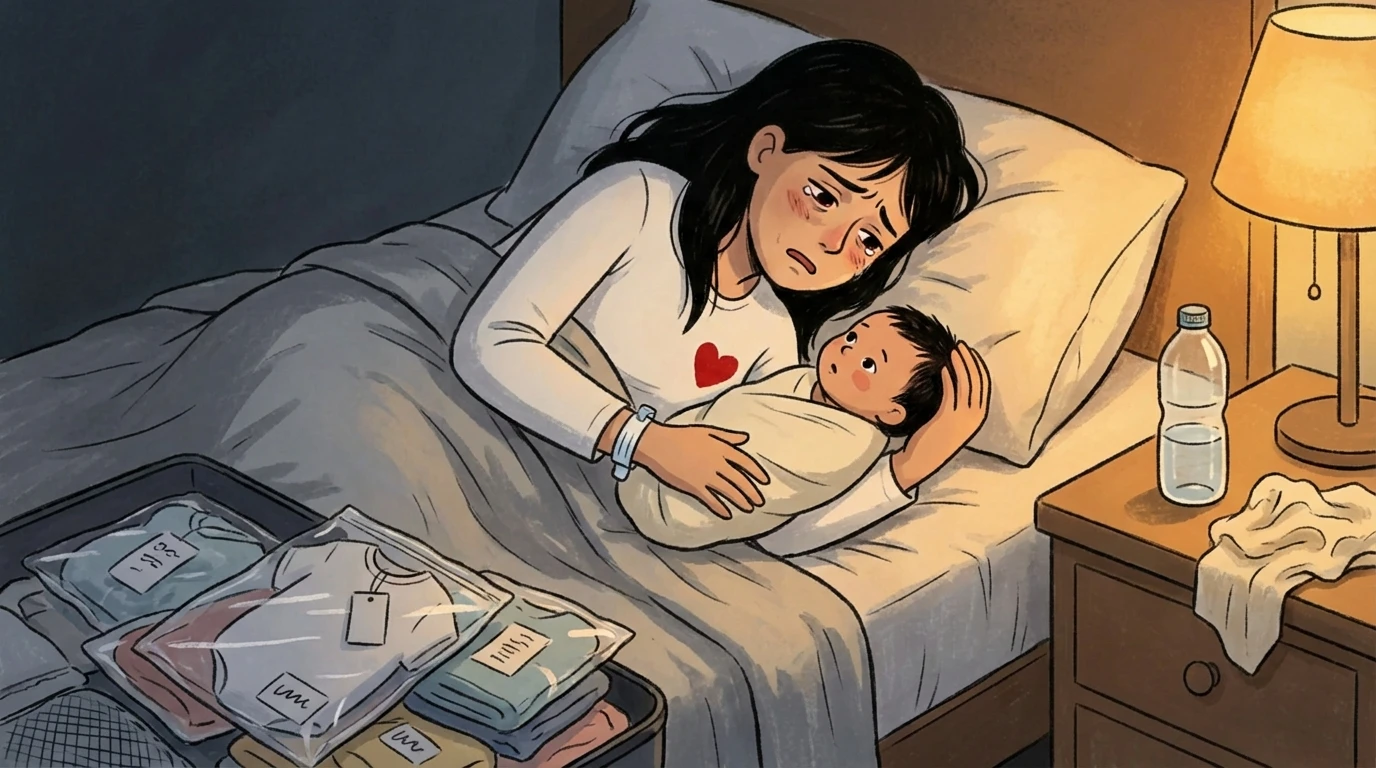
The cultural script goes like this: they place the baby on your chest, you cry, and love floods every cell of your body. For some parents, that is exactly what happens. For others, the baby arrives and the dominant feeling is something closer to what have I done mixed with please stop screaming mixed with I am so tired I might die.
Both versions are normal. The thunderbolt model of bonding makes parents who do not experience it feel defective, which makes bonding harder, which makes them feel more defective. It is a brutal loop.
Bonding is a thousand small moments stacked on top of each other, not a moment. Every diaper change where you make eye contact. Every 3 a.m. feed where you talk to them even though they cannot understand a word. Every time you pick them up when they cry instead of waiting to see if they stop.
The new parent survival series covers the logistics of those early weeks. This article is about the relationship underneath the logistics.
What bonding looks like in a newborn's brain
Your baby cannot remember your face from one room to the next. They cannot form explicit memories of you singing to them at 2 a.m. But their brain is recording something deeper: an implicit sense that when distress happens, relief follows. When they cry, someone comes. When they are cold, warmth arrives.
This is what researchers call a "secure base," and the neuroscience is clear that it physically shapes brain architecture. The neural pathways for trust and emotional regulation are being built right now, in the first weeks, through the most boring and repetitive caregiving you will ever do.
Holding your baby, feeling nothing
The New Parent Survival course will show you how bonding builds
You'll understand why the love rush didn't happen instantly and what small actions grow connection daily.
Four things that build the bond (and you are probably already doing them)
Narrate everything
Talk to your baby. Out loud. About everything. "I am changing your diaper. That is cold, right? Here comes the warm wipe. Okay, almost done." It feels ridiculous when no one else is home. Do it anyway.
You do not need to narrate like a nature documentary. Simple observations are enough. "You look hungry. Let me get you fed." "I hear you. I am coming." Your baby learns that your voice is paired with comfort. They hear you, then things get better. Over months, this becomes the foundation for language development.
Make eye contact (when they want it)
When your baby locks eyes with you, their nervous system begins borrowing your emotional state. If you are calm, they absorb calm. If you are panicking, they absorb that too.
Not every baby wants eye contact during every activity. Some babies close their eyes while nursing because they want to focus on the physical sensation without extra input. If your baby looks away during feeds, that is preference, not rejection. Follow their lead.
Respond to the crying
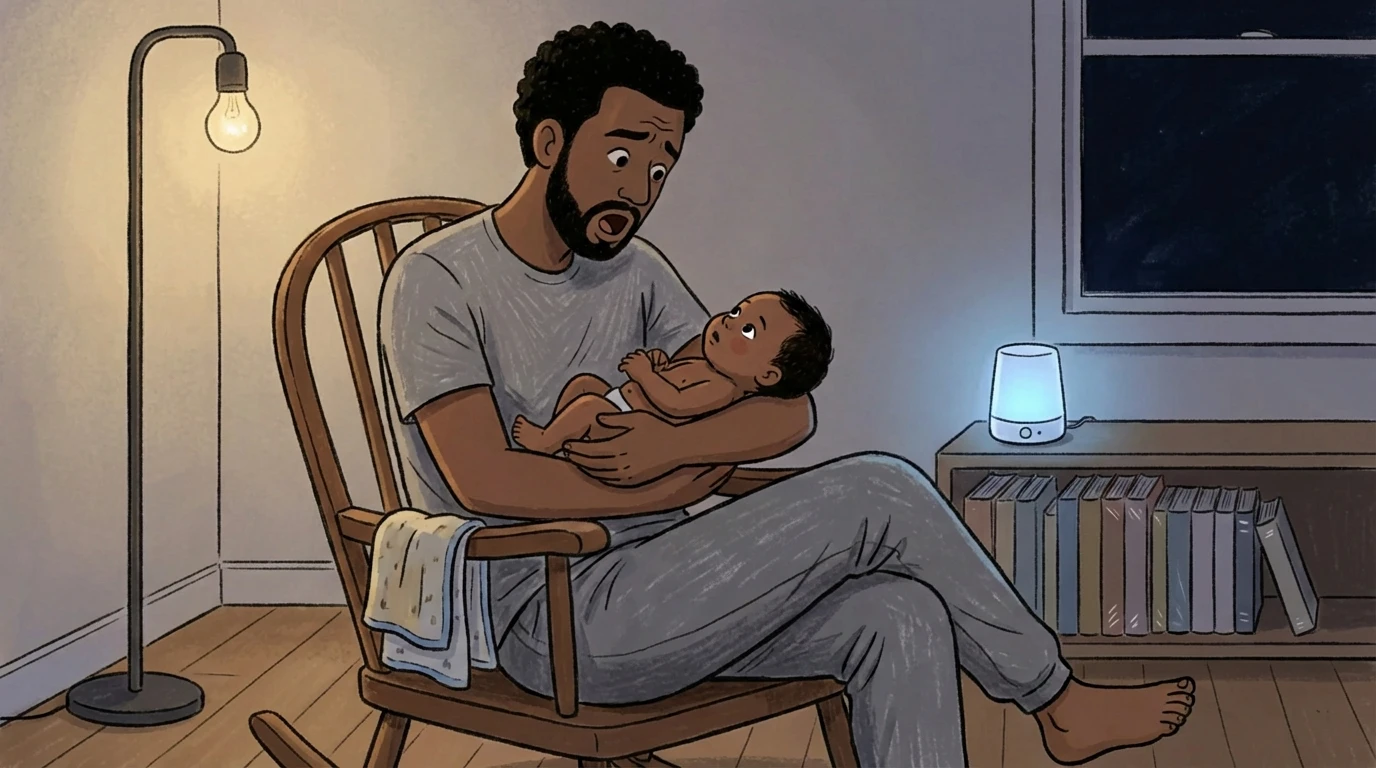
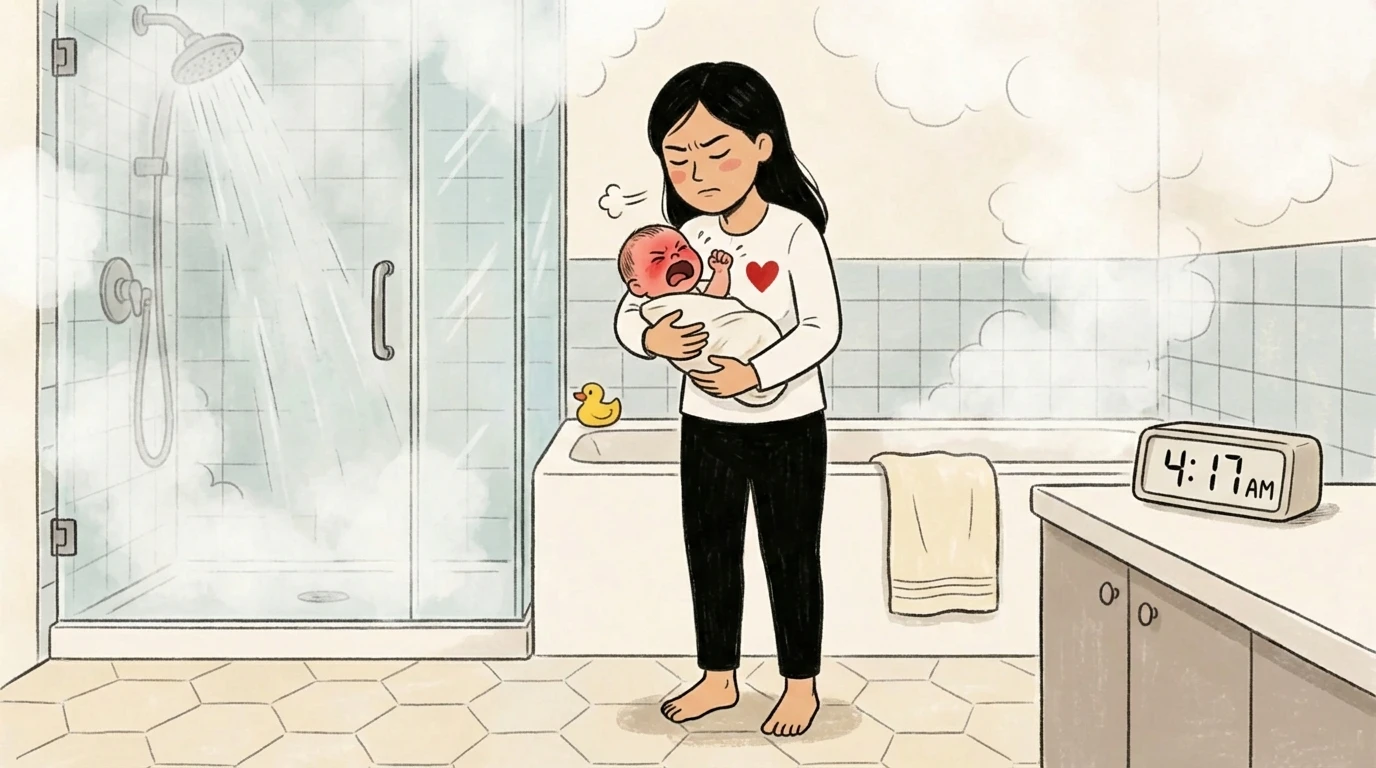
Your baby is going to cry. A lot. Some of it will have an obvious cause (hunger, wet diaper, gas). Some of it will have no cause you can identify, and you will try every trick in the book while they scream directly into your ear canal.
Every time you respond to the crying, even when you cannot fix it, you are bonding. The response is the point. Understanding why babies cry helps you decode the signals, but even when you cannot decode them, your presence is doing the work.
You cannot spoil a baby under three months by responding too quickly. What you can do is teach their nervous system that distress leads to comfort.
Stay calm when they cannot
Your baby cannot calm themselves down, so they borrow your calm. When they are screaming and you hold them with a steady voice and a slow heartbeat, their body begins matching yours.
This works even when you do not feel calm. Three slow breaths before picking them up changes your physiological state enough for the baby to register the difference.
The pattern your baby is learning: big feeling happens, safe person arrives, the feeling passes. Repeat this enough times and the neural wiring for self-regulation starts forming. This is secure attachment being built in real time, through the most unglamorous work imaginable.
When bonding does not come naturally
Some parents hold their newborn and feel nothing. Or feel something, but it is closer to dread than love. This happens more often than anyone admits, and it does not mean you are a bad parent.
The postpartum factor
Postpartum depression and anxiety directly interfere with bonding. They create a fog between you and your baby that makes every interaction feel effortful instead of instinctive. If you are going through the motions of caregiving but feeling emotionally flat or detached, that is a symptom, not a personality flaw. It is treatable, and treatment works.
The bonding you do while depressed still counts. Your baby does not need you to feel joy while feeding them. They need you to show up. The feelings can catch up later.
Your own childhood matters
If your parents were emotionally unavailable or harsh, your template for what "bonding" looks like may be missing some pages. Holding a baby and being tender might activate something uncomfortable, because tenderness felt dangerous in your house growing up.
One of the most common and least discussed barriers to newborn bonding lives here. Your own attachment history shapes how natural it feels to be close to a small, helpless person who needs you completely. Recognizing the connection is the starting point for doing it differently, not self-indulgent.

What not to do
Your three-week-old does not need flash cards, tummy time circuits, or baby massage choreography from YouTube.
The best thing for your baby's brain development is you, paying attention, in an unstimulating environment. Sit on the floor with them. Let them stare at dust floating in a sunbeam. Babies need downtime to process what they are experiencing. Do not interrupt a baby who is contentedly staring at the ceiling. They are working.
How to build the bond in the first weeks
- Narrate your caregiving out loudDescribe what you are doing as you do it. Diaper changes, feeds, bath time. Simple sentences. Your voice paired with comfort is the earliest building block of trust.
- Follow their eye contact cuesMake eye contact during alert, wakeful periods. If they look away during nursing or feeding, let them. They are regulating their own sensory input, and that is healthy.
- Respond to crying without a fixYou do not always need to stop the crying. Hold them, talk to them, stay close. Your presence during distress teaches their nervous system that help exists. The response matters more than the result.
- Breathe before you pick them upThree slow exhales before responding changes your heart rate enough for the baby to register. You are manufacturing just enough calm to share.
- Give them boring downtimePut them on a blanket on the floor and sit nearby without entertaining them. Let them look around, move their hands, figure out their own body. This is how independent play begins.
The bond is already forming
If you are reading this article, you are someone who cares whether they are bonding with their baby. That concern is itself evidence of attachment. The parents researching bonding strategies at midnight are the ones who already care deeply.
The bond will not announce itself. It shows up sideways. You will realize you can distinguish between their hungry cry and their tired cry. You will find yourself checking on them one more time before you sleep, not out of anxiety but because you want to see their face.
That is the bond. It was building while you were too tired to notice.
FAQ
There is no deadline. Some parents feel connected within hours. Others take weeks or months. The bond builds through repeated responsive caregiving, not through a single moment. If you are still feeling disconnected after eight weeks, talk to your doctor about postpartum mood screening.
Yes. Skin-to-skin contact, feeding, diaper changes, and being the one who responds to crying all build attachment regardless of gender. Fathers who are hands-on from day one develop the same hormonal bonding responses that mothers do.
It does. Skin-to-skin stabilizes the baby's heart rate, temperature, and breathing while triggering oxytocin release in both parent and baby. Even ten minutes a day has measurable effects. It works for fathers and partners too, not just the birthing parent.
Birth trauma can create a barrier between you and the bonding process. This is a recognized medical condition, not a character flaw. Talk to your OB or midwife about it. Therapy focused on birth trauma processing can help you move through the block without forcing it.
Yes. Sleep deprivation, loss of autonomy, physical recovery, and the relentless demands of a newborn create resentment in most parents at some point. Feeling it does not mean you are failing. It means you are human and exhausted. The resentment typically fades as sleep returns and routines form.