
TLDR
- Weaning triggers real hormonal shifts in your body. Dropping feeds causes prolactin and oxytocin levels to fall. The faster you wean, the harder the crash. Gradual weaning over weeks keeps the mood swings manageable.
- Your child will grieve, and that grief is legitimate. Nursing is comfort, safety, and connection rolled into one. When it disappears, your child loses their primary coping tool. Expect tears. They deserve compassion, not distraction.
- Write your reasons down before you start. Guilt will tell you to quit quitting. A written list of your reasons holds up against 2 a.m. doubt. Without it, many parents restart the cycle for months.
- Replace feeds with physical closeness, not just solid food. The calories are the easy part. What your child loses is the physical contact and emotional regulation that came with nursing. Books on your lap, roughhousing, and extra cuddles fill the gap.
- Cold turkey weaning is rough on everyone's biology. Sudden weaning causes the most dramatic hormonal disruption for you and the biggest emotional loss for your child. Going gradual is being strategic, not indecisive.

The part nobody mentions: your hormones are about to shift
You already went through this once. The weepy, anxious, everything-feels-too-big phase right after your milk came in. Weaning can bring it back.
When you stop breastfeeding, prolactin and oxytocin levels drop. The speed of the drop depends on how fast you wean. A gradual taper over three to four weeks gives your brain chemistry time to adjust. Cold turkey weaning is the hormonal equivalent of pulling a tablecloth out from under the dishes.
Expect some combination of weepiness, fatigue, irritability, and anxiety. These are chemical, not character flaws. If you can go slow, go slow. One feed per week is a pace most bodies can handle without the emotional floor dropping out.
The word "wean" comes from a Hebrew word meaning "to ripen." Your child is ripening. So are you. And ripening involves some discomfort.
Why guilt will try to stop you
Here's the cycle: You decide to wean. You drop a feed. Your child reaches for you in that specific way that bypasses every rational thought you've ever had. Guilt floods in. You give in and nurse. The cycle restarts. Some parents ride this loop for months.
The fix is boring and it works: write down your reasons before you start. On paper. "I need to go back on medication." "I'm touched out and it's affecting how I show up." "My body, my call." Put them somewhere you can find at 2 a.m. when your resolve is weakest.
The guilt is partly hormonal. Oxytocin drops make your brain signal that something is wrong with the bond. Your brain is working with outdated information. Your child's attachment to you was built through thousands of moments of responsiveness, and those continue after weaning.
Ready to wean, dreading it
The New Parent Survival course will walk you through weaning without meltdowns
You'll have a gradual plan that respects your child's attachment and your own readiness to stop.
The practical mechanics of dropping feeds
Not every nursing session carries the same weight. Some are habit. Some are hunger. Some are your child's entire emotional regulation system.
Start with the feed they care least about
For most kids, this is a mid-morning or mid-afternoon session. Replace it with a snack and a change of scenery. Go outside. Get on the floor and play. If your child doesn't even notice the missing session, you've found your starting point.
If you're unsure whether your baby is ready for solid food transitions, answer that question first. A child who's eating well at meals has less nutritional dependence on nursing, which makes dropping feeds simpler.
The "never offer, never refuse" method
Some children, left to their own devices, simply forget to ask. If you stop offering at habitual times but continue nursing when they request it, the sessions may naturally thin out. This works best with toddlers who nurse partly out of routine.
Cover up. Visual triggers are real. If your child sees skin, they think milk. High necklines during weaning are a strategy, not a fashion choice.

Night weaning deserves its own strategy
Bedtime is the hardest feed to drop because it's tangled with sleep. Your child wants the specific combination of warmth, sucking, and your heartbeat that has meant "safe to sleep" since birth.
The sequence: Move nursing out of the bedroom first. Nurse in the living room, then walk to the bedroom and start the sleep routine. After a week, start shortening the session (counting down: "ten more seconds, then we cuddle"). Eventually, replace it entirely with holding.
When you drop the bedtime feed, your child will cry. Hold them. Stay in the room. Say: "I know you want to nurse. Nursing is done for bedtime. I'm right here." The first night is terrible. By the fifth night, most children roll over and go to sleep. You are the comfort. You're just no longer the milk.
How to wean without losing your mind
- Write your reasons down firstBefore you drop a single feed, document why you're weaning. When guilt hits at 2 a.m. and you're tempted to give in, this list is your anchor. Without it, many parents cycle between starting and stopping for months.
- Drop one feed per weekPick the feed your child cares least about and eliminate it. Wait a full week before dropping the next one. This gives your hormones time to adjust gradually instead of crashing all at once.
- Replace every feed with closenessEach dropped session leaves a gap. Fill it with something physical: a book on your lap, a walk where you carry them, roughhousing on the floor. The calories are replaceable. The contact is not.
- Handle the bedtime feed lastBedtime nursing is hardest because it's tied to sleep. Move nursing out of the bedroom first, then shorten sessions gradually. When you cut this feed, stay present and hold them through the protest.
- Line up your support peopleTell your partner, a friend, or your doctor what you're doing and when. You need someone who will remind you why you started when the hormonal dip makes everything feel wrong.
When your child nurses for feelings, not food
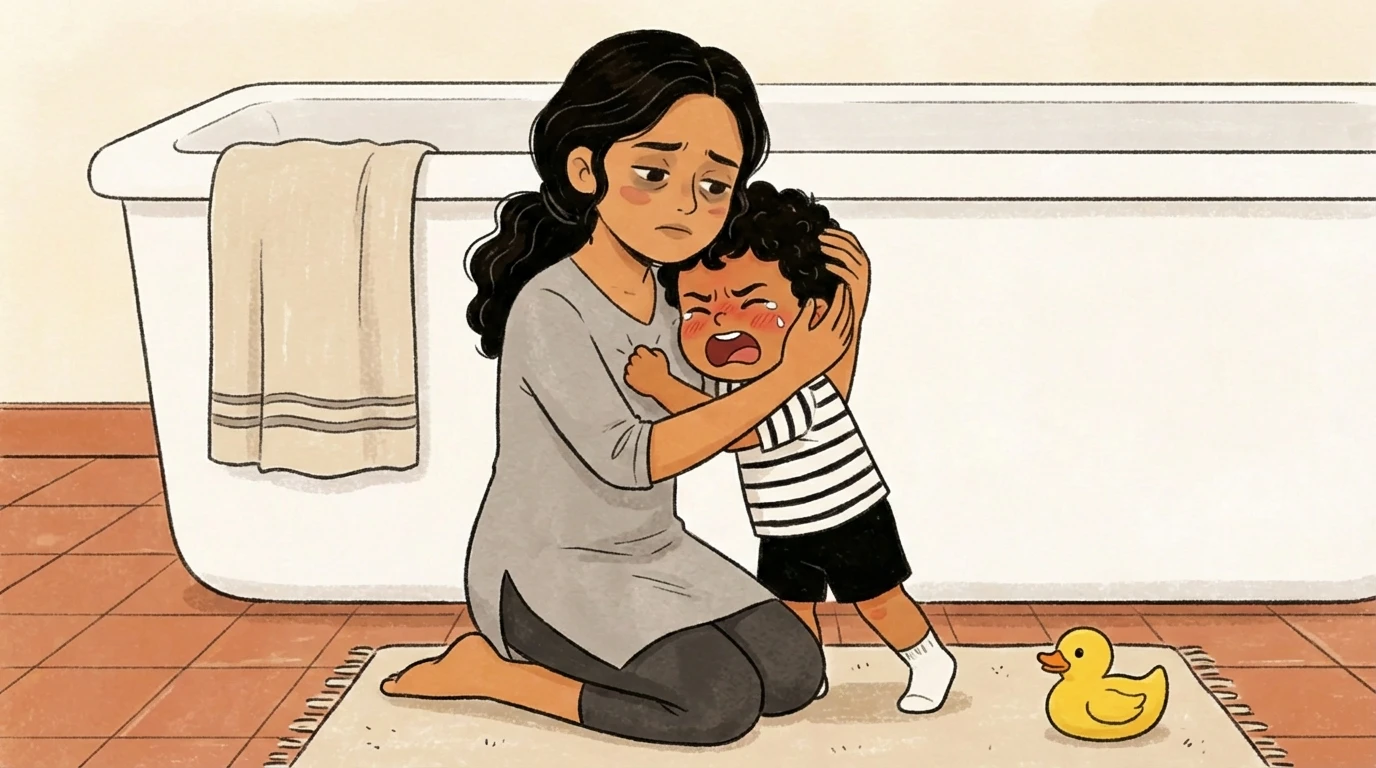
If your toddler nurses every twenty minutes, that's emotional regulation, not hunger. They've learned that nursing keeps hard feelings at bay. When you remove it, the feelings come out. All of them. At once.
They're processing emotions they'd been managing through nursing. The recommendation is counterintuitive: let the crying happen. Stay close. Hold them. Don't rush to stop the tears.
You can validate those big feelings without offering the breast. "You're really upset. You wanted to nurse and I said not right now. That's so hard." The words matter less than the presence. Your child needs to know the relationship survives the boundary.
What to put in the gap nursing leaves behind
Nursing delivers calories, comfort, and physical contact in one package. You need to replace all three.
Calories: If your child is over twelve months and eating well, this is the simplest piece. Offer meals and snacks at predictable times. A quiz on solid food readiness can help you gauge where things stand.
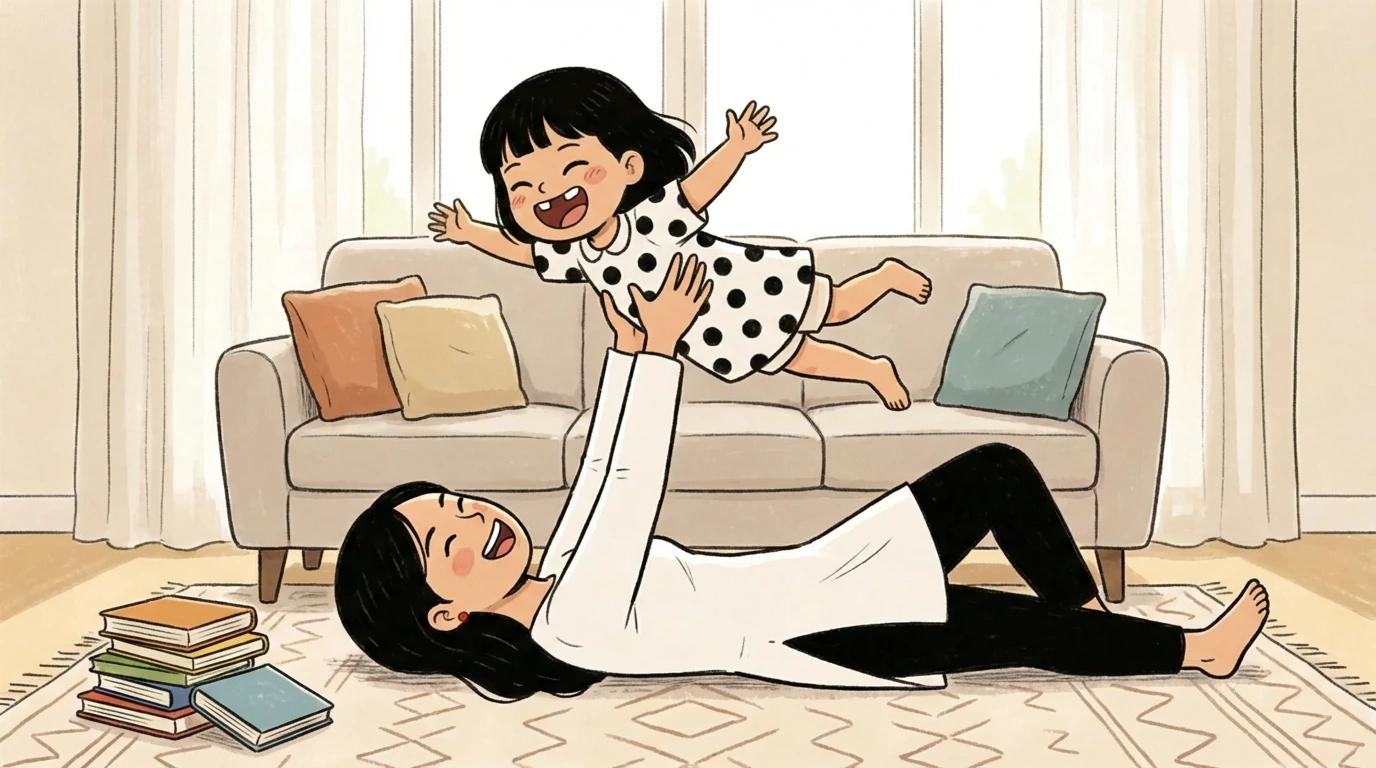
Comfort: Roughhousing, laughter games, and reading together replace the emotional regulation function of nursing. When your child reaches for you in the way that used to mean "nurse me," try scooping them up for a tickle attack instead. Connection through a different channel.
Contact: Your child may need more physical touch during weaning than they did while nursing. Extra cuddles at wake-up, a longer bedtime snuggle, carrying them more. This tapers naturally as they adjust.
Your body, your timeline
The WHO recommends breastfeeding until age two. Children in cultures where self-weaning is the norm often stop between three and four. Neither of these facts obligates you to do anything.
If you're weaning because you want your body back, that's enough. If medication requires it, that's enough. If you're done and there is no because, that's enough too.
Weaning closes one chapter of physical closeness and opens another. The chapter where your child falls asleep holding your hand instead of your breast. Where they run to you for a hug instead of a feed. Where the comfort lives in your voice, your arms, and your presence rather than in your milk.
The bond was never in the breast. It was in you showing up, over and over, in whatever form that takes next.
FAQ
Gradual weaning typically takes three to six weeks if you're dropping one feed per week. Some toddlers take longer, especially if bedtime nursing is the last to go. The pace should match your child's ability to adjust and your body's hormonal response.
Probably, for a bit. If your child nurses to sleep, removing that association disrupts their routine. Expect a rough week when you drop the bedtime feed. Stay in the room, offer physical comfort, and ride it out. Most children find a new sleep pattern within five to seven nights.
Hormonal shifts during weaning can mimic postpartum depression. Weepiness, anxiety, and irritability are common and usually resolve within a few weeks. If symptoms persist beyond a month or feel severe, talk to your doctor. This is a known medical phenomenon, not a personal failing.
Yes. Partial weaning is completely valid. Many parents keep one session, often bedtime or morning, for months after dropping everything else. Your child can learn that nursing happens at specific times without needing it around the clock.
Not necessarily. You can continue nursing mornings and evenings while your child takes cups during the day. Weaning and returning to work are two separate transitions. Stacking them makes both harder. If possible, separate them by at least a month.