TLDR
- Oldest children are still children. They look big next to the baby, but a three-year-old is a three-year-old regardless of who came after. Stop expecting them to be the responsible one before they can tie their shoes.
- Middle kids need you to notice them on purpose. They missed the firsts of the oldest and the babying of the youngest. Connection with your middle child requires deliberate effort because the structure works against it.
- Youngest children need to fail without rescue. The instinct to baby the youngest robs them of competence. Let them struggle, coach them to speak up, and stop making older siblings give in.
- Only children are fine. Your guilt is the problem. If persistent guilt about having one child won't respond to logic, it's probably grief in disguise. Process that, and the guilt loosens.
- Every child needs their own turf. When siblings share all the same activities, the younger one always loses. Give each kid a domain where they can build competence without being compared.
Your kids are having completely different childhoods under the same roof
You made the same dinner. You used the same bedtime routine. And somehow your oldest is anxious, your middle child is acting out, and your youngest thinks rules are optional.
Birth order doesn't determine personality, but it shapes what each child gets more of and less of. The oldest got all your anxious first-time-parent energy. The middle one never got a single day as your only focus. The youngest got a version of you that had already relaxed the rules so far they barely exist.
The traits we associate with birth position come from how we treat each child, not from some cosmic slot assignment. You have more power to change the dynamic than you think.
Middle child quietly disappearing
The Sibling Harmony course will show you each child's blind spot
You'll see what the oldest, middle, and youngest each need from you that they're not asking for out loud.
The oldest: too much responsibility, not enough childhood
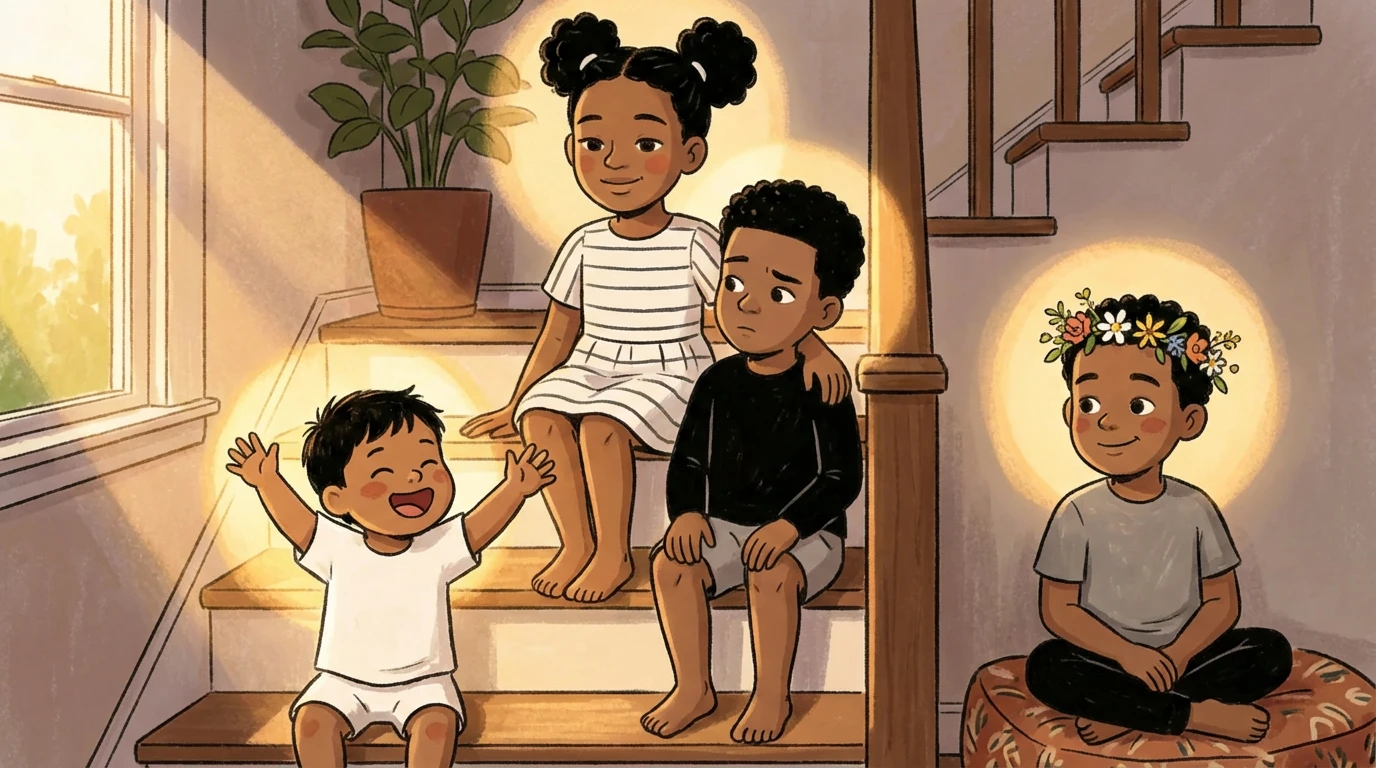
Your firstborn looks enormous standing next to the baby. This optical illusion is running your expectations. A five-year-old with a two-year-old sibling gets treated like a five-year-old who should know better, when six months ago they were still the baby themselves.
Oldest children develop perfectionism and anxiety because we demand maturity they haven't built yet. Every mistake lands harder because they've internalized that they're supposed to be the competent one.
Let them be bad at things
When your firstborn's identity is wrapped around being responsible, mistakes feel like identity threats. Counter this by celebrating failed attempts: "That painting is wild. I love that you tried something weird." You're building a sense of self that doesn't depend on performance.
Stop the parentification
When your oldest starts correcting or bossing younger siblings, redirect: "You're a great big sister. I know you're trying to keep him safe, but being in charge is my job, not yours." Remove the burden. A seven-year-old managing a four-year-old's behavior is a seven-year-old who has lost the right to be a kid.
Balance responsibility with privileges
If being older only means more chores and higher expectations, being oldest becomes a punishment. Match every responsibility with a perk. "You're eight, so you help set the table, and you also get to stay up twenty minutes later."
The middle child: the one you have to look for
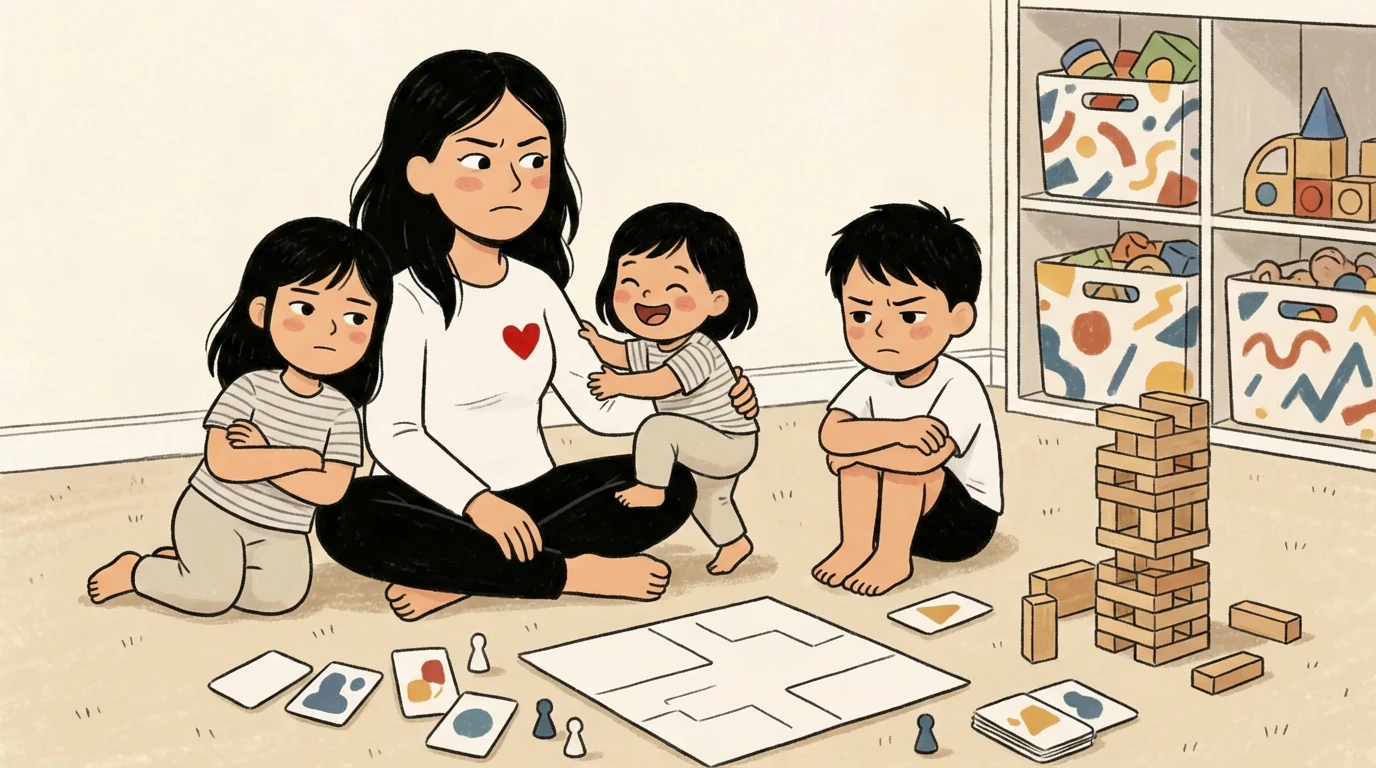
Middle children face a structural disadvantage you didn't create on purpose. The oldest captured your attention through every thrilling first. The youngest gets indulged because they're still small. The middle child is expected to cope.
When a middle child acts out, they're usually asking to be seen. Parents often read this as defiance and respond with frustration, which deepens the exact disconnection driving the behavior.
What they need from you
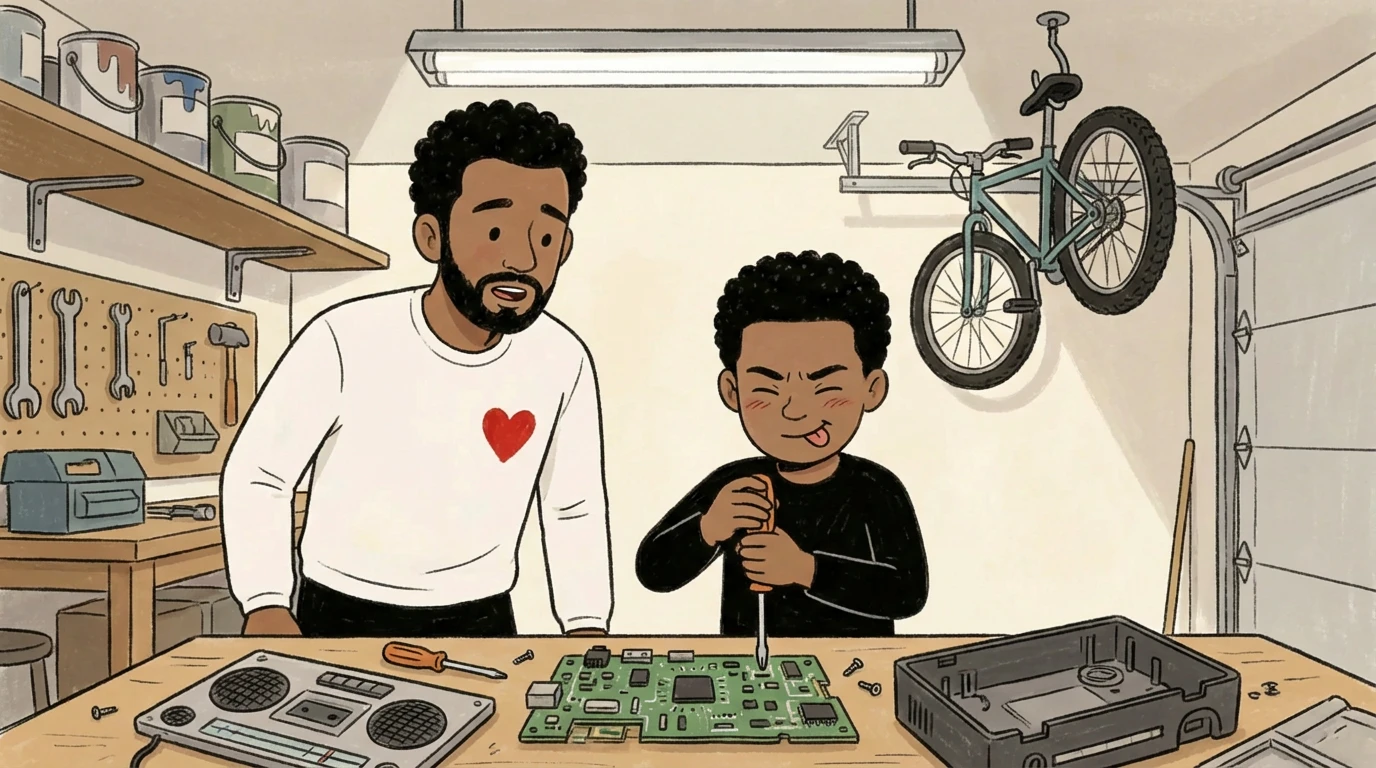
Fifteen minutes of daily one-on-one time. No siblings competing for airspace. Notice what makes them specifically them: "I love how you always stop to check on the dog." Delight in who they are, not what they accomplish.
Help them find turf that belongs to them. If the oldest already dominates soccer, the middle child competing in soccer means always losing. Encourage passions the oldest hasn't claimed. The middle child needs a domain where their temperament can shine without constant comparison.
When they say it's unfair
They might be right. Listen without arguing. "You think your brother gets more attention? That must feel terrible." Validation creates space for the emotion to move. Dismissal ("That's not true, I love you all equally") buries it alive, and buried feelings come out sideways as jealousy toward siblings.
The youngest: loved to death, coached to helplessness
By the time your youngest arrives, you've loosened up. The screen time limits are suggestions. The organic-only rule died two kids ago. Mostly good, but it can slide into disengagement.
The youngest child's biggest risk is learned helplessness. When older siblings routinely give in, the youngest learns that being small and upset is a winning strategy. When everyone does things for them because it's faster, they never build competence.
Coach them to speak up
Younger siblings default to physical attention-seeking because they don't have the words yet. Teach the words: "Can you tell your sister you missed her instead of pulling her hair? Say 'I missed you, can we play?'"
Check in during sibling play: "Are you both having fun? You can tell your brother if you want to stop." This gives the youngest explicit permission to voice their preferences.
How to support each child's birth position
- Schedule daily one-on-one timeEvery child gets fifteen minutes alone with you, no siblings. For the middle child especially, this matters more than anything else you can do.
- Name what makes each child uniqueNot 'you're so smart' but 'I love how you always sing while you draw.' Specific observations beat generic praise. Each child should hear something only they would hear.
- Give each child their own domainEncourage interests the other siblings haven't claimed. When every kid does the same activities, the youngest always loses and the oldest always has to share the spotlight.
- Match responsibilities with privilegesBeing older should mean both more expectations and more perks. Being younger should mean fewer privileges paired with age-appropriate responsibilities, not a free pass.
- Validate without fixingWhen a child says their sibling gets treated better, acknowledge the feeling before you correct the facts. 'That sounds really hard' does more than 'That's not true.'
Stop rescuing them from the skill gap
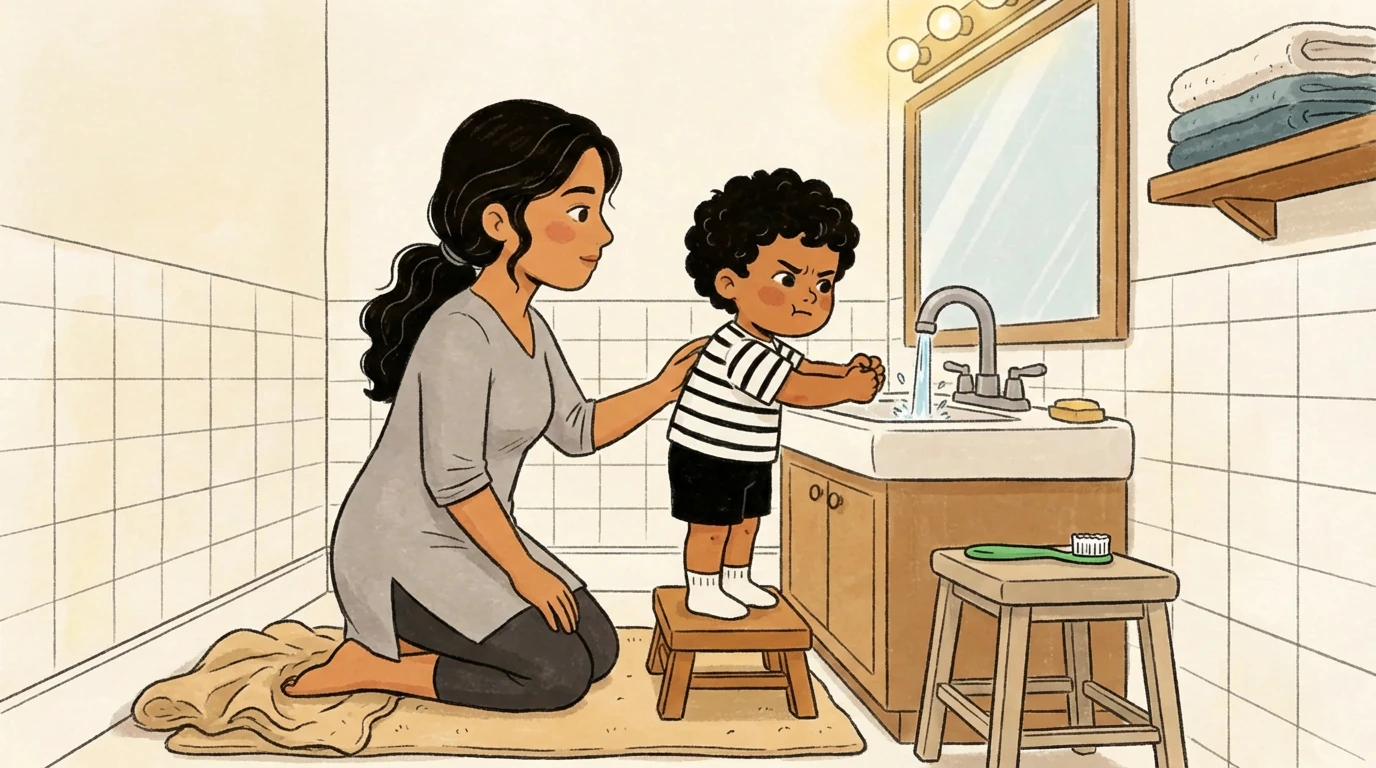
When they're frustrated that their sister can do things they can't, empathize: "It's so hard when she can do things you can't do yet." The word "yet" matters. Then redirect to personal progress: "You couldn't reach that bar last month. Look at you now."
Have older siblings teach younger ones. When the eight-year-old coaches the four-year-old on bike riding, competition transforms into mentorship.
The only child: your guilt isn't their problem
If you have one child and feel guilty about it, notice something: your kid is probably fine. They have a loving parent, never compete for attention, and benefit from more focused resources.
Persistent guilt that won't respond to logic is often grief wearing a disguise. If you wanted more children and couldn't have them, the guilt is keeping grief from spilling out. Cognitive reframing won't work until the grief underneath gets processed.
Your only child does need more active social coordination from you. Set up regular playdates, enroll them in group activities, and accept that being the activity director is part of the deal. But negative self-talk about being a bad parent for having one child helps nobody. Children absorb their parents' emotional state. If you feel sorry for them, they'll learn to feel sorry for themselves.
The through-line: see the child, not the position
Your job is to notice what each position makes harder and fill the gap. The oldest needs permission to be a kid. The middle needs to be actively sought out. The youngest needs to be allowed to struggle. The only child needs peers.
None of this requires perfection. It requires paying attention to which kid is getting less of what they need, and adjusting. You'll get it wrong regularly. The kid who knows you're trying to see them as an individual will forgive the days you miss.

FAQ
Birth order itself doesn't hardwire personality. What shapes kids is how parents treat each position differently. The oldest gets higher expectations, the middle gets less attention, the youngest gets more leniency. Change the treatment and you change the outcome.
Fifteen minutes counts. It doesn't need to be an outing. Read a book with one child while the others are occupied, take one along on an errand, or stay up ten minutes past bedtime with just one kid. Rotate daily. The consistency matters more than the duration.
Don't argue. Say 'You feel like I love them more? That sounds really painful. Tell me more.' Let them talk. The feeling needs air before it can shift. Your actions over the following weeks will matter more than any single reassuring speech.
Guilt is not useful information here. Your child has a loving parent and a stable home. If the guilt persists despite logic, it may be unprocessed grief about wanting more children. Address the grief directly and the guilt tends to dissolve. Your child's wellbeing does not require siblings.
Same-gender siblings compete more intensely because they measure themselves against someone in the same category. The fix is creating separate domains. If both love sports, put them in different sports. Give each child activities, friendships, and spaces where their sibling isn't present. Comparison needs proximity to thrive.