TLDR
- Your nervous system speaks louder than your words. Children read your body before they process your sentences. If you're panicking, no amount of 'everything is fine' will land. Regulate yourself first.
- Ask before you explain. Open with 'What have you heard?' to find out what your child knows. Their version is often scarier than reality, and you can't correct what you haven't uncovered.
- Saying 'I don't know' builds more trust than faking certainty. Kids can tell when you're bluffing. Admitting uncertainty and then showing how to find reliable information teaches them something lasting.
- Routines are the antidote to chaos. Same bedtime, same breakfast, same walk to school. When the outside world feels unpredictable, the internal family rhythm is the only thing holding the floor steady.
- Feelings come before problem-solving. A child who is still scared cannot think clearly enough to absorb your reassurance. Let the emotion move through before you try to reason with it.
You can't reassure your child while you're falling apart
The school shooting is on every channel. The wildfire is three towns over. The news alert just pinged your phone for the fourth time in an hour, and your six-year-old is watching your face.
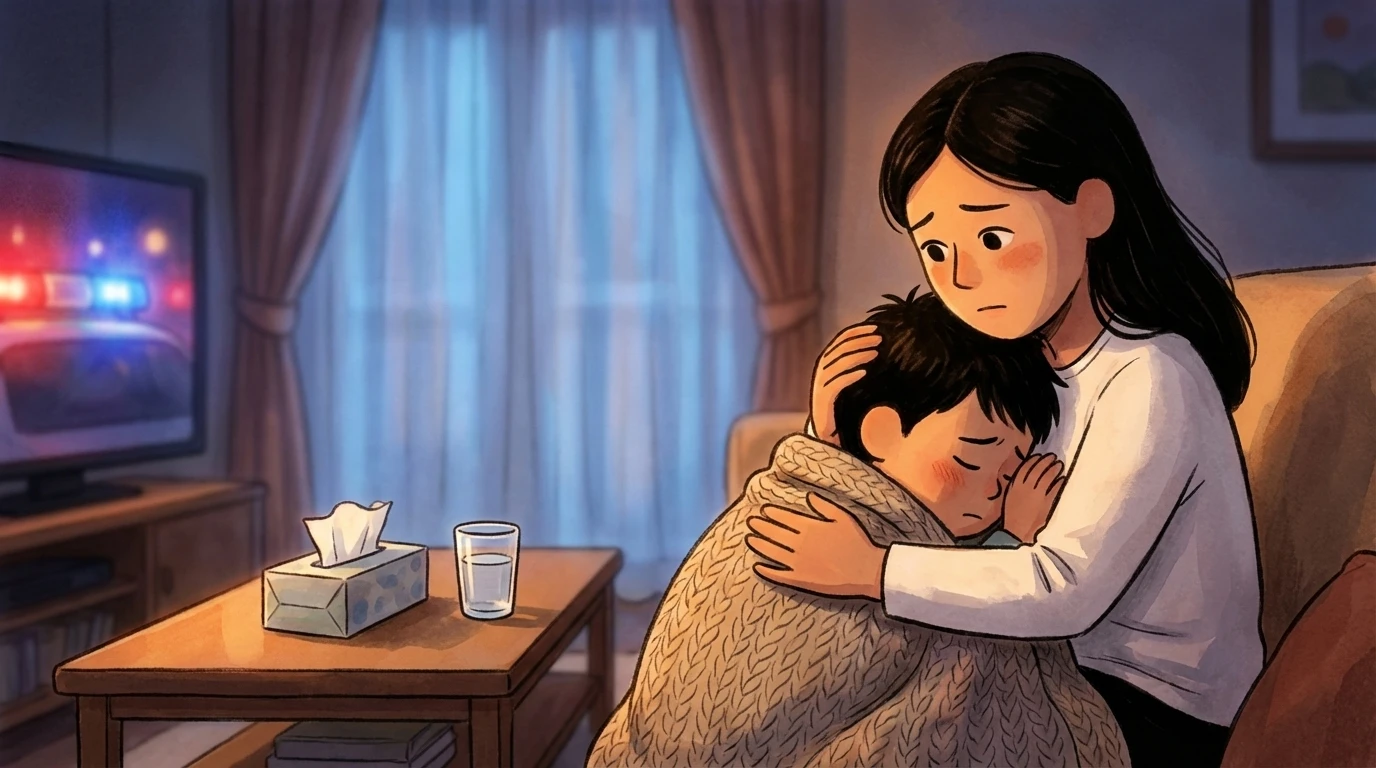
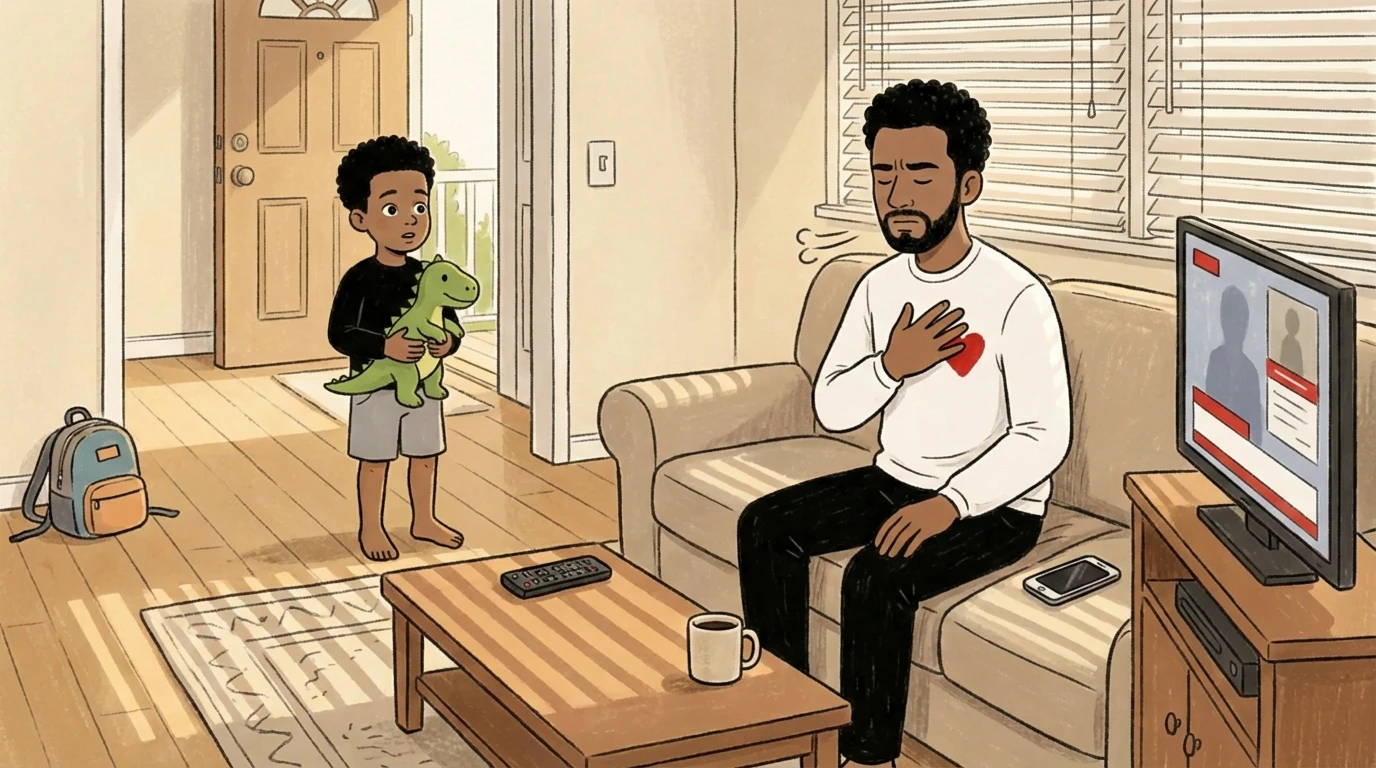
Here's what they're reading: not the headline, not the crawl at the bottom of the screen. Your jaw. Your breathing. Whether your hands are shaking when you set down the phone. Children decode your nervous system faster than they process language. If your body says "danger," nothing you say afterward will override that signal.
So step one is always managing your own reaction before you attempt to manage theirs. Put down the phone. Take five slow breaths. Call another adult to process the big feelings that belong in an adult conversation, not in front of your child.
Kids see through fake composure in three seconds. The goal is genuinely regulating your nervous system so that when you sit down with your child, your body matches your words.
Limiting your own media intake
Scrolling the news in a crisis feels productive. It is not. Every refresh pumps cortisol into your system and makes it harder to be the steady presence your child needs. Check the news twice a day, at set times, away from your kids. That's enough to stay informed. Everything beyond that is anxiety masquerading as vigilance.
Asking if it will happen here
The Life Transitions course will teach you the reassurance framework
You'll give your child enough truth to trust you and enough safety to fall asleep again, through illustrated lessons with audio narration.
What to say (and when to say nothing)
The instinct after a scary event is to sit your child down and deliver a careful speech. Resist that. Start by listening.
Open with a question, not a statement
"What have you heard about what happened?" This one question does more than any prepared talk. It tells you exactly where your child's understanding is, and their understanding is almost always wrong in ways you wouldn't predict. A five-year-old who overheard the news might think the event happened down the street. A ten-year-old might believe it's going to happen again tomorrow.
You can't correct fears you don't know about. So ask. Then listen without interrupting. Let them get it all out. Reflect it back: "So you heard that a building fell down and you're worried our building might fall down too." Then correct the misinformation gently.
How much detail is right
Less than you think. A four-year-old needs: "Something sad happened in another city. Grown-ups are helping. You are safe." A ten-year-old can handle more, but still doesn't need graphic details. The question they're really asking, underneath every other question, is: am I safe? Answer that one first and repeatedly.
When they don't ask
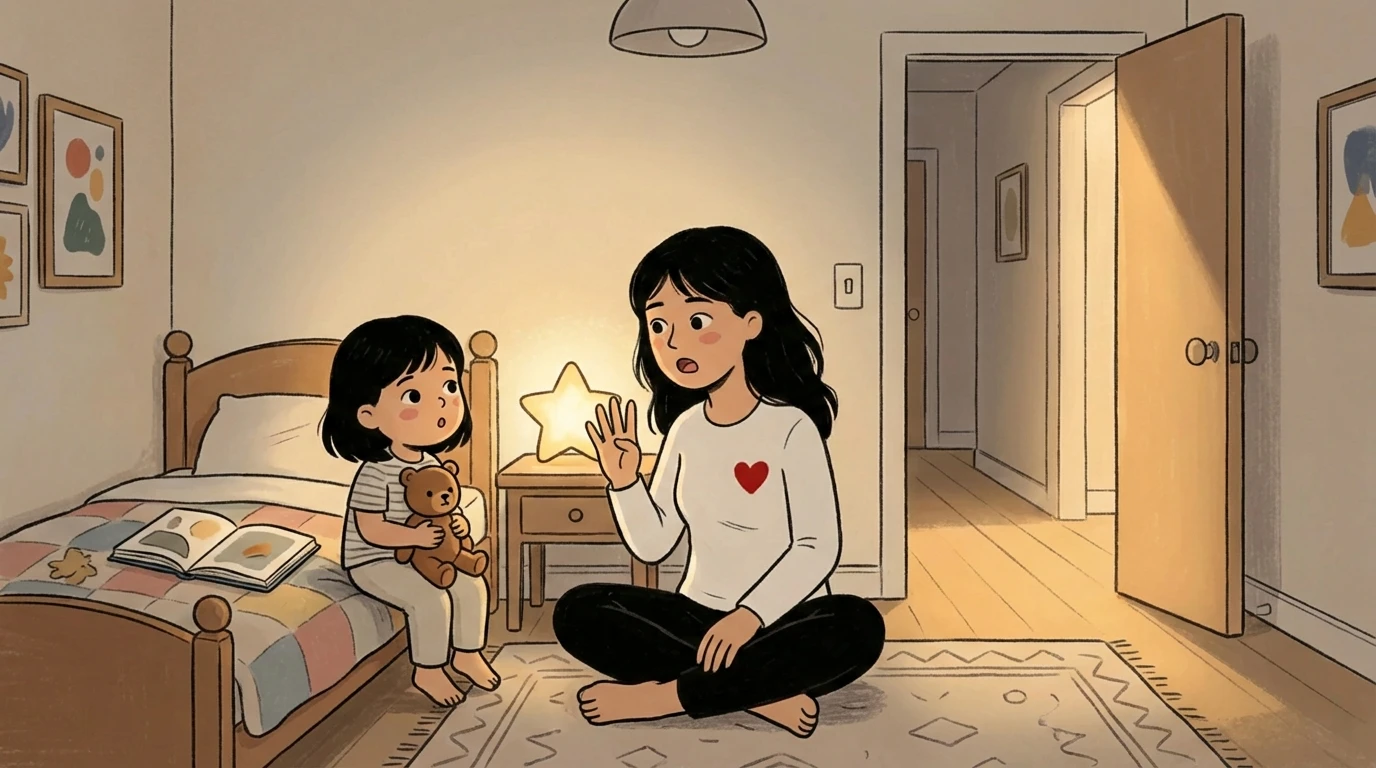
Some kids go quiet. This does not mean they haven't noticed. Children absorb overheard phone calls, whispered conversations, and the tension in a room with terrifying accuracy. If your child says nothing, open the door gently: "Something happened today that you might have heard about. I want to talk about it whenever you're ready."
Don't force it. Just leave the door open. They'll come through when they're ready.
Holding two things at once
There's a move parents make during crisis conversations that backfires every time: the rush to reassure. Your child says "I'm scared," and you immediately say "Don't be scared, you're safe." The intention is protective. The effect is dismissive.
Hold both truths simultaneously. "You're scared, and that makes sense. A scary thing happened. AND you are safe in this house with me." Validating the feeling first drains the charge so the reassurance can land.
Feelings first. Information second. Problem-solving last. Skip to step three and you'll wonder why nothing you say helps.
Routines are doing more than you think
When a community tragedy happens, the urge is to suspend normal life. Skip school. Cancel the playdate. Huddle at home and watch the coverage together.
Do the opposite. Go to school. Keep the playdate. Eat dinner at the same time you always do. Routines are the scaffolding that tells your child's nervous system the world is still turning. The structure of ordinary life is the most powerful reassurance tool you own, and it costs nothing.
The bedtime anchor
Bedtime matters more than any other routine during a crisis. A child who goes to bed at the same time, with the same story, in the same order, wakes up with a nervous system that got to rest instead of staying on high alert all night. If you change one thing about their evening, let it be adding an extra five minutes of physical closeness (sitting together, a longer hug, lying next to them while they fall asleep). Don't subtract structure. Add warmth.
When acting out means acting scared
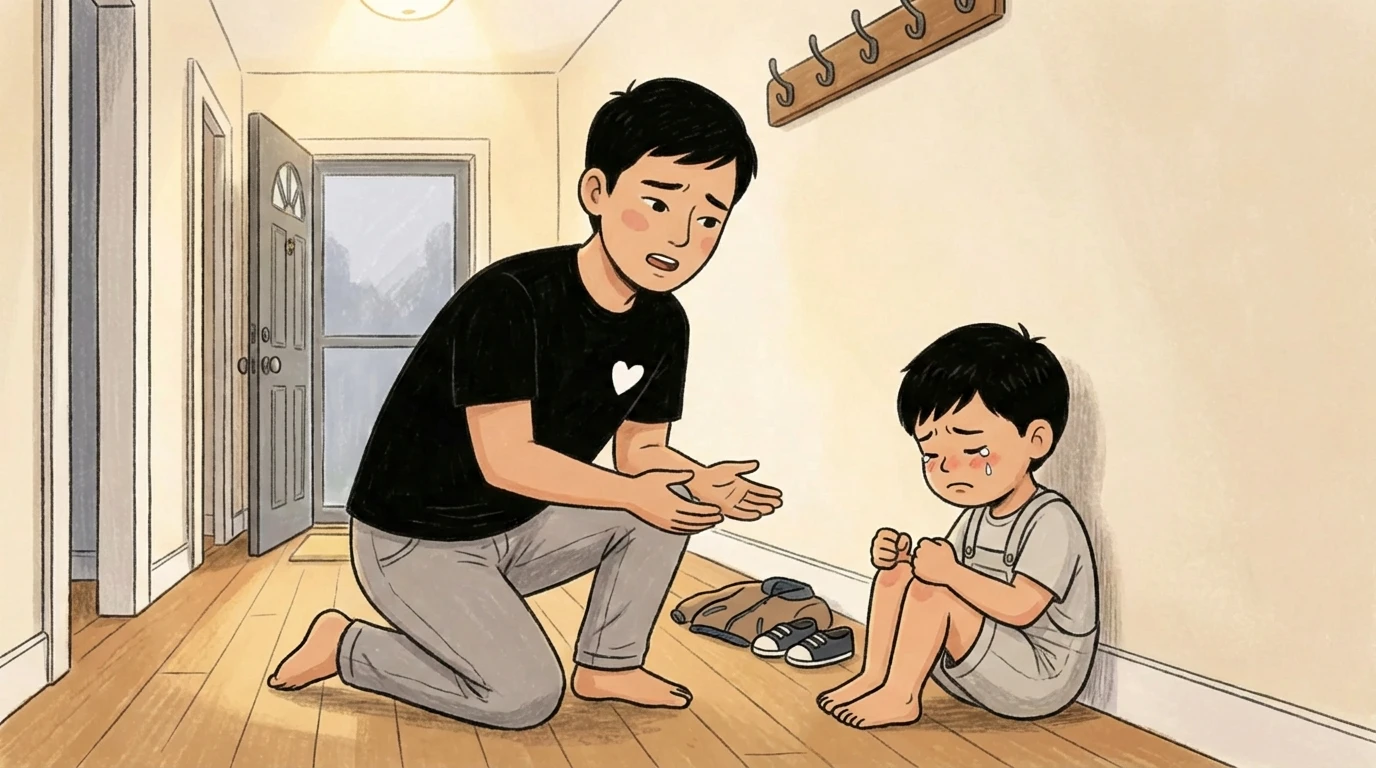
If your child suddenly becomes defiant, weepy, aggressive, or clingy in the days after a scary event, that behavior is a stress response. Their worry spiral is running underneath the surface, and what's leaking out is the pressure valve releasing.
Respond to the fear underneath the behavior, not the behavior itself. "You're having a hard time right now. I think you might be feeling scared about what happened. I'm here." This lands better than consequences, which only add more threat to an already overwhelmed system.
Modeling what resilience looks like
Your child is watching how you respond to this crisis. That observation is worth more than anything you say. If you talk to your children about scary events while doom-scrolling through frightening news coverage, they learn that adults say one thing and do another.
Show them what it looks like to feel bad and still function. Say it out loud: "I feel sad about what happened. I'm going to take a walk because moving my body helps me feel better." That sentence teaches your child three things: feelings are normal, feelings can be managed, and there are specific actions that help. That's a skill they'll use for the rest of their life.
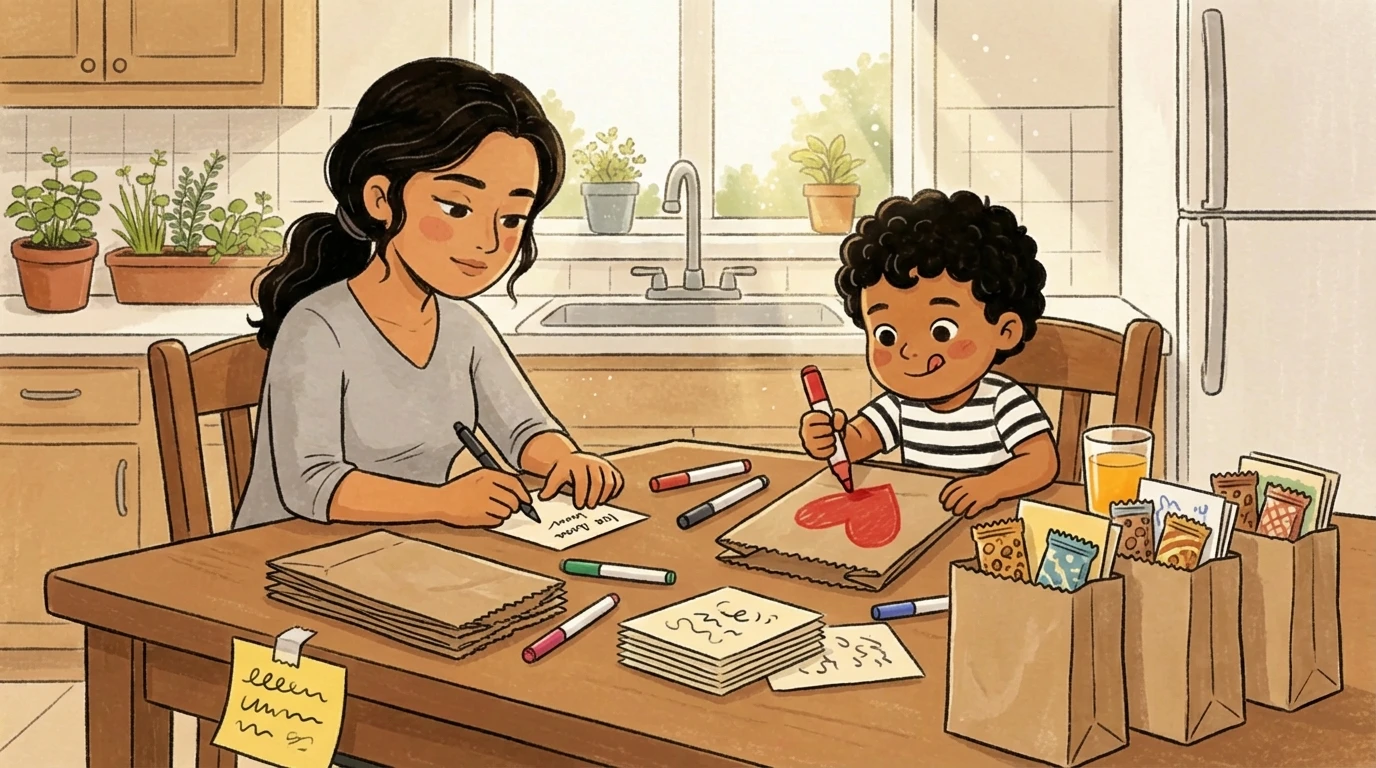
If you want to take positive action, involve your child. Write a card. Bring food to a neighbor. Donate together. Agency is the antidote to helplessness, for kids and adults alike.
How to reassure your child after a scary event
- Regulate yourself firstPut down the phone. Take five slow breaths. Call another adult to process your own fear. Your calm nervous system is the first thing your child needs.
- Ask what they've heardOpen with 'What have you heard about what happened?' Their version is often scarier than reality. You can't correct fears you haven't uncovered.
- Validate before you reassureSay 'You're scared, and that makes sense' before 'You are safe.' Feelings need acknowledgment before information can land.
- Match detail to their ageA four-year-old needs three sentences. A ten-year-old can handle more, but still doesn't need graphic details. Answer the real question: am I safe?
- Keep routines intactSame bedtime, same meals, same school schedule. Ordinary life tells the nervous system the world is still working. Add warmth, don't subtract structure.
- Take positive action togetherWrite a card, bring food to a neighbor, donate. Agency counters helplessness for both kids and adults.
The long game
Scary events don't wrap up in one conversation. Your child may circle back to it days or weeks later, triggered by something you'd never connect to the original event: a loud noise, a news jingle, a friend's offhand comment at school.
When they circle back, treat it as a new conversation. Ask again what they're thinking. Listen again. Reassure again. The repetition is how children process big experiences, in loops, not in lines. Each pass drains a little more of the charge until the event settles into memory as something that happened, not something that's still happening.
Your job is simpler than it feels: be there, be steady, and be honest about what you know and what you don't.
FAQ
Match detail to age. Young children need only 'Something scary happened at a school far away. Grown-ups are working to keep every school safe, including yours.' Older kids can handle more facts but don't need graphic details. Answer the underlying question first: you are safe. Let them ask follow-up questions and answer honestly.
Nightmares are the brain processing threat while asleep. Keep bedtime routines rock-solid. Add physical closeness: lie next to them until they fall asleep, or leave your door open. During the day, revisit the conversation and let them talk about what scared them. If nightmares persist beyond three weeks, consult your pediatrician.
No. Children lack the cognitive filters to contextualize a looping news cycle. They may believe the event is happening repeatedly. Check news twice a day at set times, away from your children. If older kids want information, sit with them and discuss what you're reading together rather than letting them scroll alone.
Some children process internally and show no visible reaction for days or weeks. This does not mean they haven't noticed. Open the door gently: 'I wanted to check in about what happened. You don't have to talk about it, but I'm here if you want to.' Watch for behavioral changes like sleep disruption, clinginess, or irritability, which are delayed stress responses.