TLDR
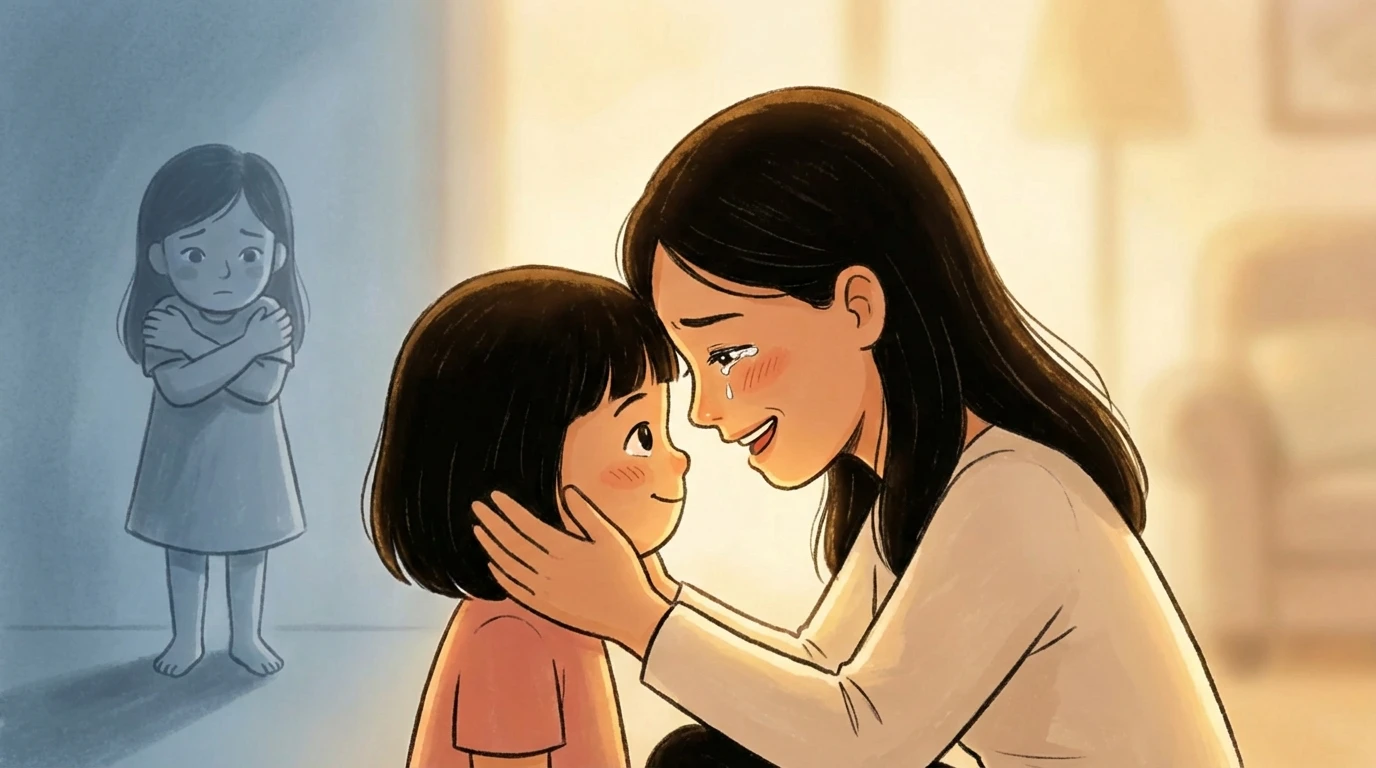
- You cannot give what you never received, so you have to build it. Unconditional love is a skill, not an instinct. If your parents attached strings, you have to learn the version without strings from scratch.
- The hardest part is the emptiness, not the anger. When you offer love freely, grief for what you missed will surface. That grief is part of the process, not a sign you are doing it wrong.
- Your child's behavior is not a referendum on your worth. Conditional love taught you that good behavior equals lovable. Separating behavior from worth is the single biggest shift you will make.
- Scripts help when feelings do not. You do not need to feel unconditional love perfectly to say it. The words come first. The feeling follows with repetition.
- Repair counts more than perfection. You will slip into old patterns. Going back, naming the slip, and reconnecting teaches your child that love survives mistakes.
You are working without a blueprint
Most parenting advice assumes you had a decent model. Someone who said "I love you" without qualifiers. Someone who stayed present when you were difficult. Someone who separated your behavior from your worth.
If you did not have that, you are building the airplane while flying it. Every interaction where you choose connection over withdrawal is an act of construction, not repetition.
Here is the uncomfortable truth: your default wiring is conditional. Love was earned in your house. Good grades, compliance, silence during dinner, staying out of the way. You learned that love has terms. And now you are trying to give your kid something your nervous system was never trained to produce.
That does not make you broken. It makes you a person doing hard construction work without a blueprint. The good news is that secure attachment can be built at any stage, even by parents who never experienced it themselves.
Saying words you never heard
The Breaking the Cycle course will teach you to give love you weren't given
You'll say it and mean it — not because someone modeled it for you, but because you practiced until it stuck.
What conditional love looks like when you are the one doing it
You probably do not think of yourself as a parent who attaches conditions. But conditional love is sneaky. It does not always look like "I will only love you if you behave." Sometimes it looks like this:
The withdrawal pattern
Your kid does something that embarrasses you. You go quiet. Not angry, just... gone. You are physically present but emotionally checked out. Your child senses the withdrawal and scrambles to fix whatever they did. They get compliant. You warm up again.
That cycle is conditional love running on autopilot. The child learns: when I displease you, I lose access to you. When I perform, I get you back.
If you grew up with a parent who used silence as a weapon, this pattern probably feels as natural as breathing. You may not even notice yourself doing it until your kid's face changes and you see the exact same flinch you used to make.
The praise trap
You light up when your kid succeeds. Report card, soccer goal, polite behavior at a restaurant. You gush. But when they struggle or fail, the energy drops. You do not punish them. You just... dim.
Your child reads that contrast in milliseconds. They learn that your warmth is performance-based. The philosophical foundation of gentle parenting rests on removing that performance requirement entirely.
The "after you apologize" hold
Your child does something wrong. You tell them what they did. Then you wait. Arms crossed, face set. You are withholding reconnection until they say sorry. The apology becomes the toll they pay to get you back.

The grief no one warns you about
When you start giving unconditional love to your child, something unexpected happens. You grieve.
You watch yourself say "I love you even when you are angry" and a voice inside asks: Why didn't anyone say that to me?
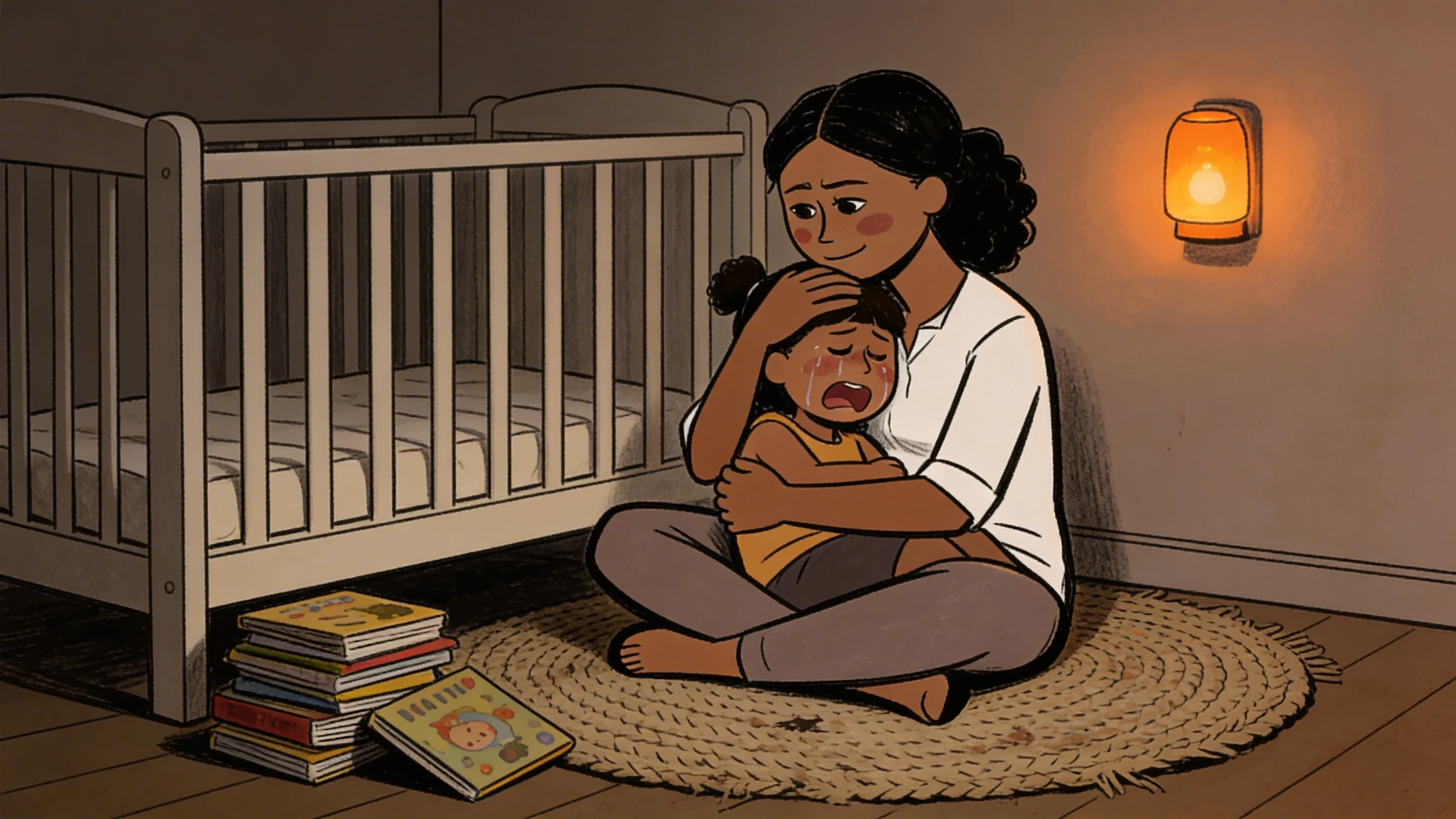
You hold your kid through a meltdown without pulling away and you feel a hollow ache in your chest. That ache is the recognition of what you deserved and did not receive. It belongs to the child you were, not the parent you are becoming.
This grief will visit you regularly. During bedtime when your kid asks for one more hug. When they trust you enough to scream at you. When they assume you will still be warm afterward, because they have no reason to doubt it.
Let the grief come. It means the old emotional patterns are loosening their grip. You are feeling what was too dangerous to feel when you were small.
The scripts that build the wiring
You do not need to feel unconditional love perfectly to practice it. The words come first. The feeling follows. Here are the scripts that build new neural pathways, even when they feel mechanical coming out of your mouth.
When they misbehave
"I do not like what you did. I still love you. Those are two separate things."
"You made a bad choice. You are not a bad kid. We will fix the choice together."
When they are difficult to be around
"I can see you are having a hard time. I am right here."
"You do not need to be easy for me to love you."
When you want to withdraw
Say this to yourself first: This is the old pattern. I do not have to follow it.
Then say to your child: "I need a minute to calm down. I am not leaving. I will be right back."
The difference between conditional withdrawal and taking space is the announcement. Conditional withdrawal is silent. Intentional space is narrated.

How to practice unconditional love daily
- Separate the behavior from the childWhen your child does something wrong, name the action, not the character. 'That was a hurtful thing to say' instead of 'you are being mean.' This one shift rewires the entire dynamic.
- Stay present during the hard momentsWhen your child melts down, resist the urge to check out or lecture. Sit nearby. Breathe. Let them feel your presence without demands. Your physical proximity without conditions is the message.
- Say the words even when they feel fakeTell your child you love them when they are being awful. 'I love you and I am frustrated right now.' Both things at once. The words create grooves in your brain that the feeling eventually fills.
- Narrate your withdrawalsIf you need space, say so. 'I am going to take five minutes. I will come back.' This teaches your child that space is not punishment. Silence is what conditional love sounds like.
- Grieve what you missedWhen sadness surfaces about your own childhood, let it exist. Do not stuff it or analyze it. Feel it, and then return to your child. The grief is proof that you know what they deserve.
What your child learns from this
Children who receive unconditional love develop the ability to handle all their emotions, not just the convenient ones. They learn that relationships survive conflict. They learn that their worth is not tied to their output.
But here is the part that matters for you: your child will not know the love was learned. They will not know you practiced the scripts in the shower. They will not know you cried in the car after holding them through a tantrum without flinching. They will just know that their parent loved them without conditions. And they will assume that is normal.
That is the cycle you are breaking. Conditional love felt normal to you because it was all you knew. Unconditional love will feel normal to your child because it is all they know.
If you are wondering whether the damage you have already done can be undone, the answer is yes. And if you want to understand how giving yourself unconditional love first makes it possible to give it to your child, that is where the deeper work begins.
Take the communication safety quiz to see whether your child already feels safe enough to be honest with you. The results might surprise you.

FAQ
The feeling is not the starting point. The actions are. Say the words, stay present, resist withdrawal. Over time, the neural pathways form and the feeling catches up. Many parents who were conditionally loved experience a delay between practicing unconditional love and feeling it. That delay is normal.
Boundaries and love operate on separate tracks. You can hold a firm limit while staying emotionally warm. 'I will not let you hit your brother, and I still love you' is a complete sentence. The boundary addresses the behavior. The love addresses the child.
Unconditional love is not permissiveness. You still set limits, enforce consequences, and say no. The difference is that your warmth and connection do not fluctuate based on compliance. Children who feel unconditionally loved tend to be easier to guide because they are not spending energy protecting themselves.
You cannot control another adult's parenting style. What you can do is be the consistent source of unconditional love in your child's life. One secure relationship is enough to build resilience. Focus on your own patterns and let the contrast speak for itself.