TLDR
- Dopamine is the real problem. Screens flood the reward system with dopamine hits that books, blocks, and real life can't match. The brain recalibrates, and everything else feels flat.
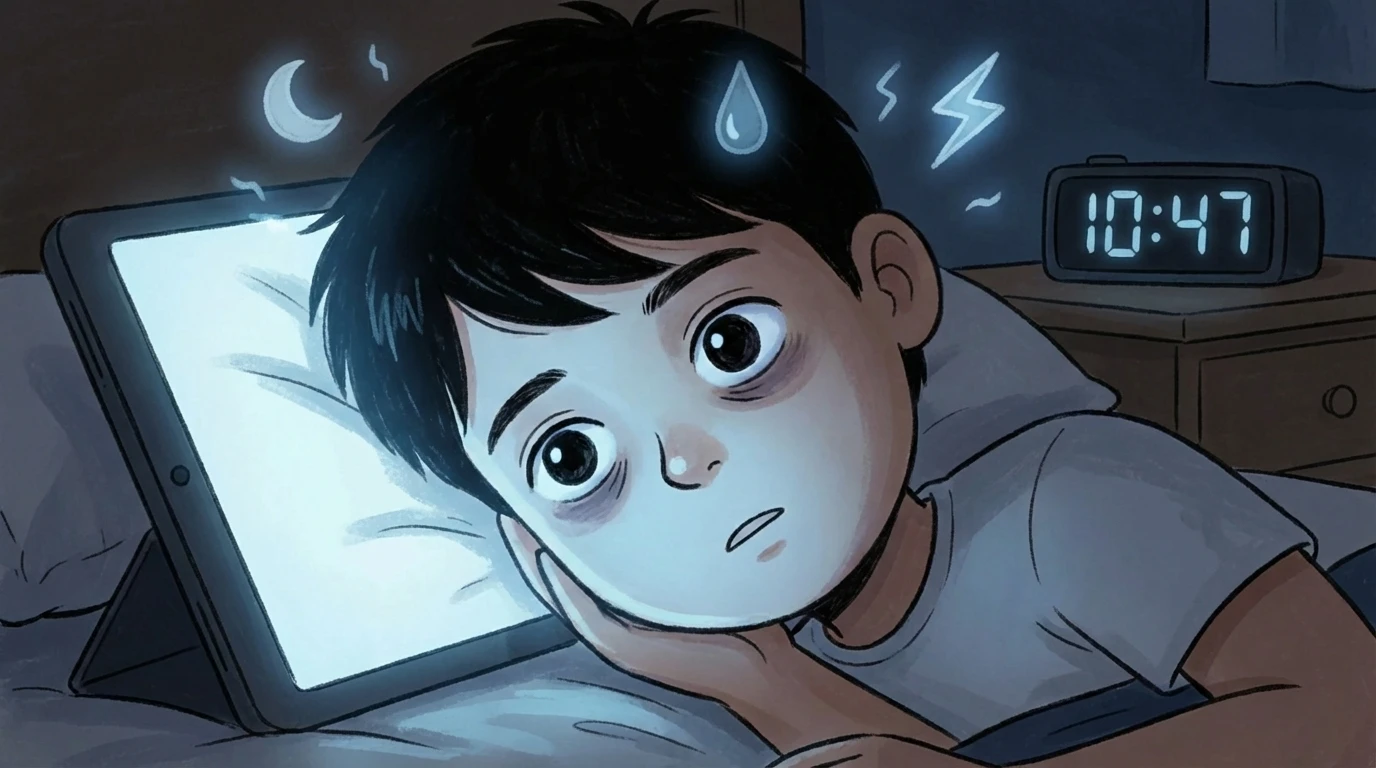
- Screen time before bed wrecks sleep. Blue light suppresses melatonin, and stimulating content keeps the nervous system activated. Both make falling asleep harder and sleep quality worse.
- Attention spans are being rewired. Quick cuts in children's shows train the brain to expect rapid input changes. Sustained attention on slower activities like reading becomes harder over time.
- The reading window is real. Kids who develop screen habits before age eight read less after age eight. Once screens win the competition for attention, books rarely catch up.
- Small changes beat cold turkey. You don't have to throw the TV out. Replacing daily screen habits with specific alternatives and keeping screens out of the bedroom gets you most of the benefit.
The thing no one tells you about screen meltdowns
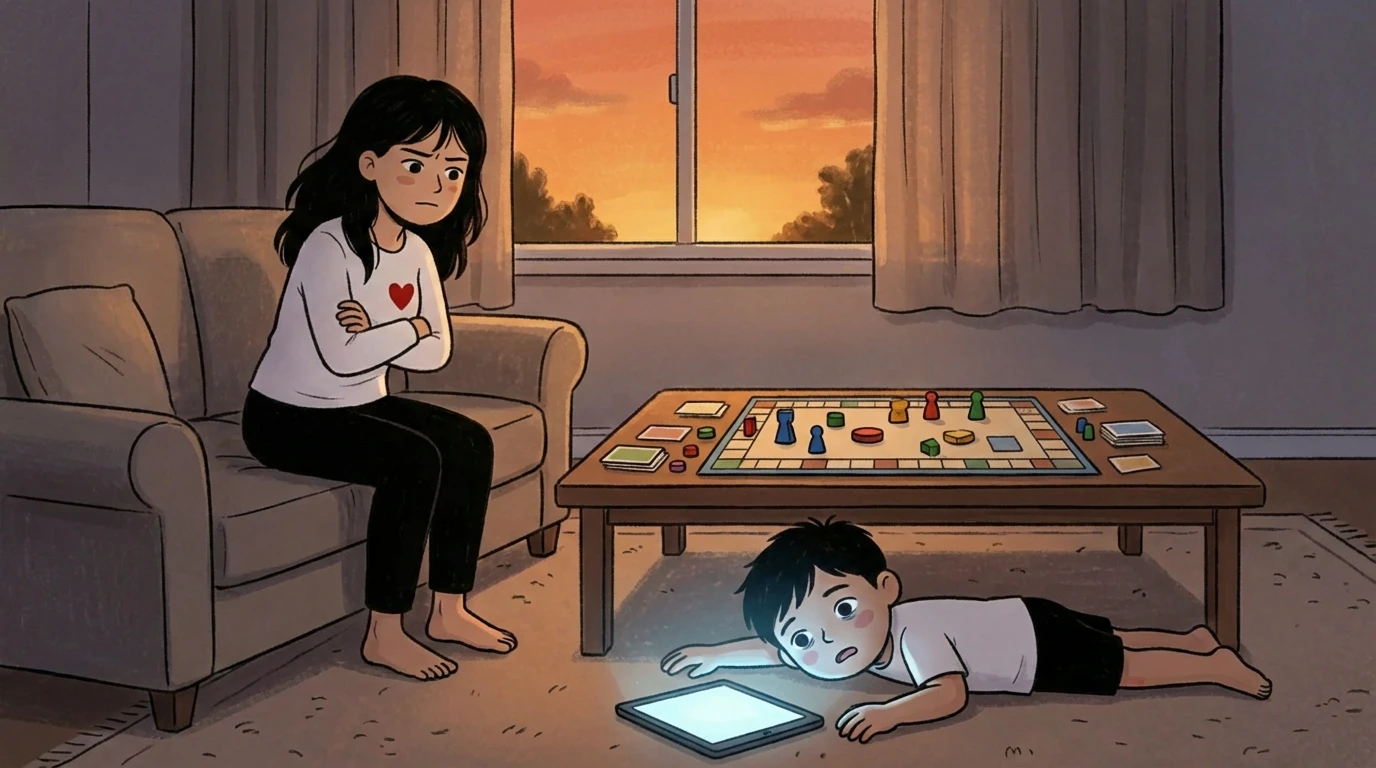
You hand your kid the tablet so you can make dinner. Twenty minutes later, you say "time's up" and they collapse into a heap of rage that makes a tantrum over a broken cracker look civilized.
This reaction gets written off as bad behavior. But the meltdown after screens isn't the same as the meltdown over a lost toy. Screens trigger a dopamine response in your child's brain that is physiologically similar to what addictive substances do in adults. The brain gets flooded with reward chemicals. When you take the screen away, you're yanking the supply. The crash is chemical, not character.
Computer games and fast-paced shows are designed to stimulate adrenaline and dopamine reward systems simultaneously. Your child's body is bathed in these chemicals while watching, and even while thinking about watching. The craving that follows is a physical craving, not a preference.
So when your kid loses it after screen time, they're not being dramatic. Their developing brain is responding to a withdrawal that it doesn't have the architecture to manage yet.
Short fuse after the iPad
The Screen Sanity course will show you why the meltdowns follow screens
You'll spot the patterns between screen use and your kid's mood, sleep, and focus before they spiral.
What screens do to sleep (and why bedtime gets harder)
Here's where it gets measurable. If your child fights bedtime and you're allowing screens in the hour before bed, you may have found your answer.
Two things happen. First, the blue light from screens suppresses melatonin production. Melatonin is the hormone that tells the brain it's time to wind down. Suppress it, and the brain stays in "awake" mode even when the body is tired.
Second, the content itself keeps the nervous system activated. A cartoon with rapid scene changes every few seconds is the opposite of a wind-down activity. The brain is processing visual novelty at high speed right up until you say "bedtime," then you're asking it to slam the brakes.
The metabolic surprise
Here's something strange: while watching TV, a child's metabolic rate drops lower than during rest. They're not moving, not engaging muscles, not burning energy. Then you ask them to transition to bed and their body hasn't spent enough physical energy to feel genuinely tired. They're simultaneously overstimulated mentally and understimulated physically. That's a recipe for a kid who can't fall asleep and can't tell you why.
Attention spans and the reading window
The connection between screens and attention is straightforward. Quick cuts in cartoons (some children's shows change scenes every three to five seconds) train the brain to expect constant novelty. Every repeated experience changes brain structure. A brain repeatedly exposed to rapid input changes develops a lower tolerance for slow, sustained activities.
Research shows that the more TV kids watch before age eight, the less they read after age eight. This matters because reading comprehension is the best predictor of all school performance. And once kids develop screen habits, books cannot compete. A book asks the brain to generate its own images, hold a story thread, and tolerate a slower pace. A screen does all of that for the brain, faster and with more stimulation.
Why under-two matters most
The American Academy of Pediatrics recommends no screens at all for children under two. At this age, the brain is building its foundational wiring. Attention span, verbal development, and the capacity for sustained focus are all under construction. Screens during this period don't just fail to help. They actively interfere with the building process.
The daily habit trap
There's a difference between occasional screen use and daily habit. A movie on a rainy Saturday is a different animal than thirty minutes of cartoons every morning before daycare. The habit is the problem, not any single viewing session. Daily exposure is what recalibrates the brain's baseline expectations for stimulation.
Body image, self-worth, and the messages they absorb
Screens don't just affect brain chemistry. They deliver messages. Research confirms that girls who watch TV are more anxious about their appearance and have more negative body images. This holds true even when the programs aren't explicitly inappropriate. Shows focused on looks, dressing up, and princess culture send a consistent signal about where a person's value lies.
Children's brains are still developing values and identity. They can't filter these messages the way adults can (and adults aren't great at it either). By the time your child can think about what they're watching, the messages have been absorbed for years.

How to reduce screen impact without going cold turkey
- Replace the daily habit firstPick the one daily screen session that's most habitual (morning cartoons, after-school tablet time) and swap it for something specific. Not 'go play' but 'here are the legos' or 'let's read this book.' The replacement needs to be concrete.
- Move screens out of bedroomsNo screens in the bedroom, period. This single change improves sleep quality and removes the temptation of unsupervised viewing. Forty-six percent of kids ages eight to twelve have TVs in their bedrooms. Don't be one of them.
- Watch with them when you do allow screensShared viewing lets you pause and discuss what's happening. Ask questions about the characters and their choices. This builds the critical thinking that passive viewing destroys.
- Protect the reading windowIf your child is under eight, make reading a daily habit before screens become routine. Once kids become dedicated readers, they have an internal alternative that can compete with screens.
- Keep a stash of approved moviesMovies have a beginning, middle, and end. Episodic TV is designed to make you watch the next one. Choose complete stories over series that encourage binge-watching.
What to look for in your own kid
You don't need a study to tell you whether screens are affecting your child. You can observe it. Watch for: meltdowns that consistently follow screen time, increasing difficulty with transitions away from devices, complaints of boredom within minutes of screens being turned off, and resistance to activities they used to enjoy.
If you're seeing these patterns, take the screen dependence quiz to get a clearer picture of where things stand. Sometimes naming the pattern is enough to motivate the change.
Children who grow up with limited screen exposure are more resourceful at entertaining themselves, become stronger readers, and are rated by teachers as more creative. They make up original stories instead of retelling TV plots. They don't need constant entertainment. They've learned to structure their own time because their brains developed the wiring for it.
The developmental phase that looks like a screen problem
One thing worth mentioning: some behaviors that look screen-related are developmental. Children around age four often become fascinated with appearance, princesses, glitter, and glamour regardless of screen exposure. This is a normal phase that most kids outgrow.
The question that matters more is whether they're developing their sense of worth from screen content rather than from real relationships and real accomplishments. Helping them practice emotional skills in the real world builds the internal resources that screen messages try to replace.
When you're ready to make a change
If you've read this far and you're thinking well, the damage is done, it isn't. Brains are plastic. Habits can change. The kid who watches two hours a day right now can become the kid who reads for fun in six months if you reset the pattern.
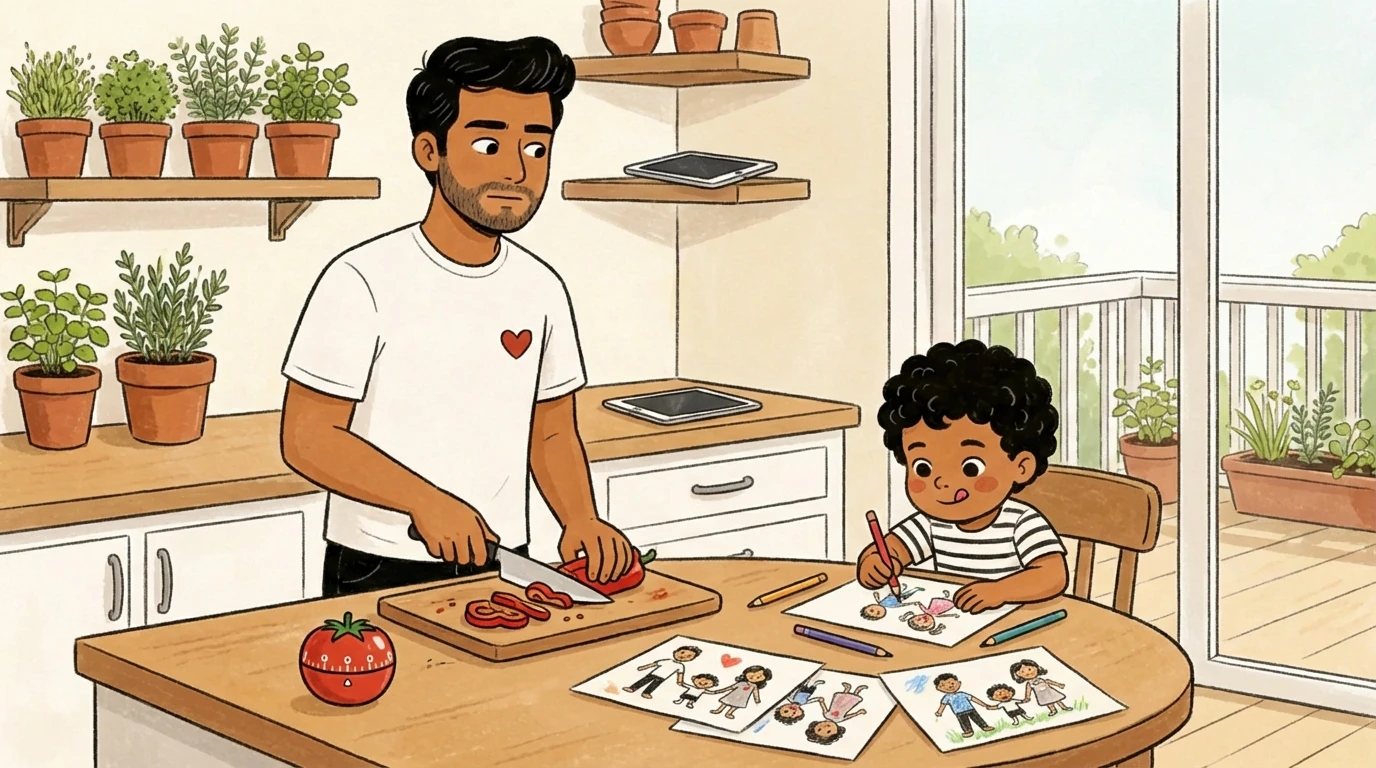
Start with the daily habit. Replace it with something specific. Protect the bedroom. Watch together when you do watch. And stop beating yourself up about the screens you've already allowed. Every family uses screens. The difference is whether screens are the default or the exception.
FAQ
The American Academy of Pediatrics recommends no screens before age two. Between ages two and eight, keep it occasional rather than daily. The brain is doing its heaviest wiring during these years, and every repeated experience shapes the architecture. Once reading habits are established and the brain's attention systems are more developed, moderate screen use becomes less risky.
Some are, but only about one in five programs marketed as educational has real educational value. The bigger issue is that even educational content still trains the brain to expect rapid stimulation and external entertainment. A child building with blocks learns more about physics, patience, and creativity than any app can deliver.
Thirty minutes occasionally is very different from thirty minutes daily. The daily habit is what recalibrates the brain's expectations for stimulation. If it's a consistent daily routine, your child's brain adapts to expect that dopamine hit. If it's sporadic, the impact is much smaller.
You can't control every environment, and trying to will exhaust you. Focus on what happens in your own home. If your child watches a movie at a friend's house on Saturday, that occasional exposure is not the same as a daily habit. Talk to them about what they watched and keep your own routines consistent.
Kids who grow up with limited screens don't typically feel deprived because it's just how their family operates. They find other ways to connect with friends. The social pressure increases with age, especially around preteens, but by then you've built years of alternative habits and stronger reading and creativity skills.