TLDR
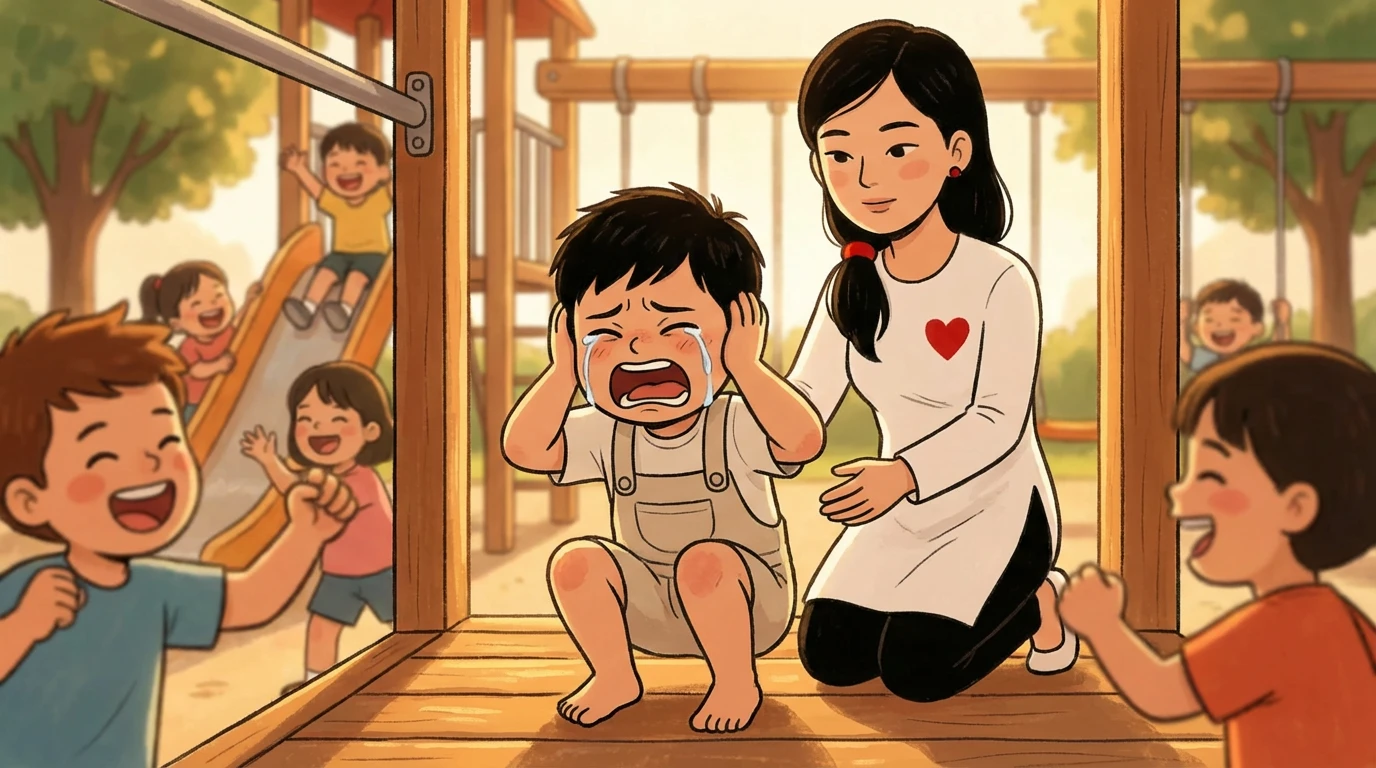
- Sensitivity is biology, not behavior. These children were born with nervous systems that process sensory and emotional input more intensely. This is temperament, not a discipline failure.
- Their meltdowns are longer because their bodies need more recovery. Highly sensitive kids experience stronger physical reactions: rapid heartbeat, tense muscles, shallow breathing. Coming down takes longer.
- Your emotional state is contagious. Sensitive children absorb the emotions of those around them. If you are dysregulated, they cannot regulate. Your calm is their anchor.
- Boundaries and validation are not opposites. You can hold a firm limit and acknowledge how hard it feels at the same time. Sensitive kids need both, delivered together.
- Punishment makes it worse. Punishing a child for overwhelming feelings adds shame to a flooded nervous system. It addresses the symptom and ignores the cause.
The volume knob is turned up on everything
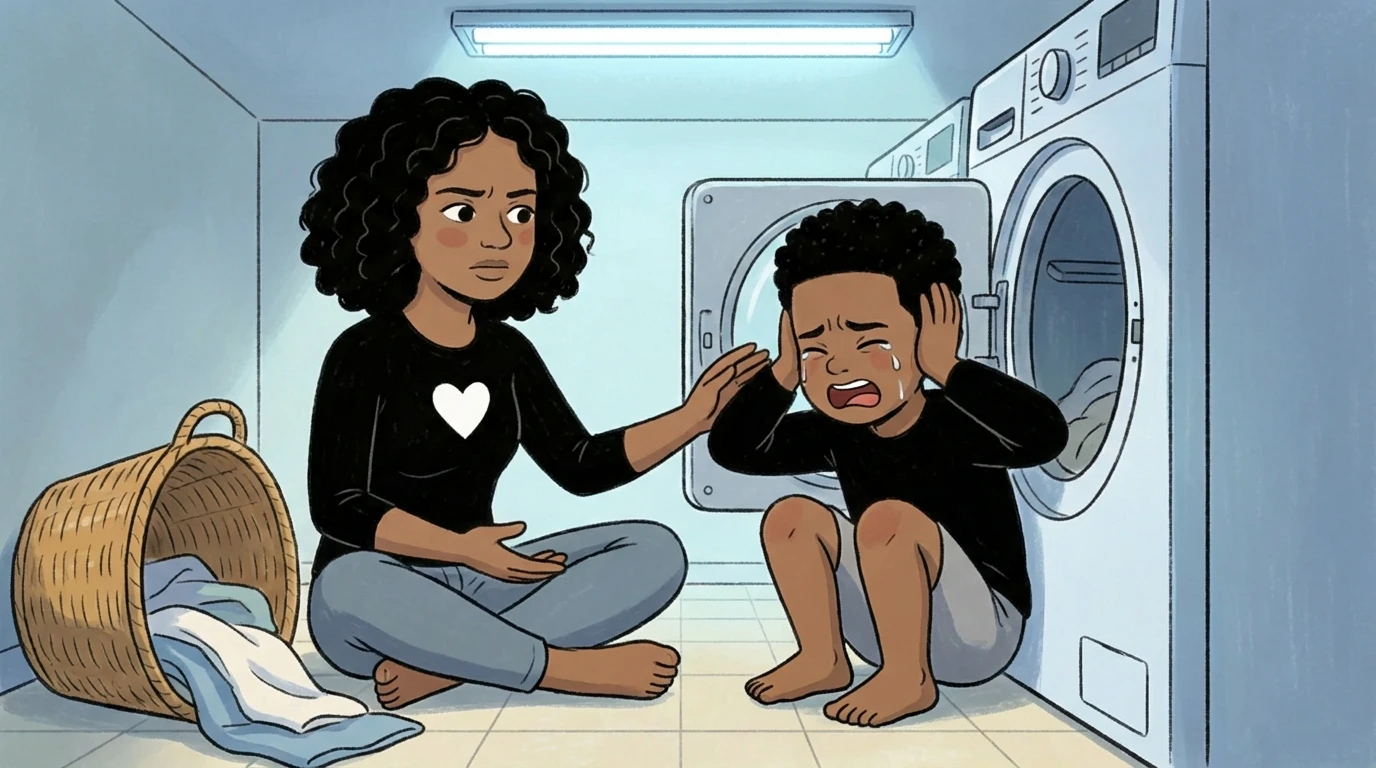
You know that feeling when someone cranks the car stereo and a song you liked suddenly becomes unbearable? That is roughly what daily life feels like for a highly sensitive child. The stimulation that rolls off other kids (a buzzing classroom, a scratchy shirt tag, a sibling's whining) lands on their nervous system at double the intensity.
About 15-20% of children are born with this trait. Their brains process sensory input at greater depth. Loud sounds register louder. Emotions hit harder. Transitions feel more threatening. This is not something they chose and not something you caused. The same wiring that makes birthday parties feel like a sensory assault also gives these kids deep empathy, rich inner lives, and passionate interests.
But right now, you are probably not thinking about their rich inner lives. You are thinking about the 40-minute meltdown that started because the toast broke.
Why the meltdowns are bigger (and last so much longer)
They feel it in their body
When a sensitive child melts down, their body goes through a more intense physiological response than a mild-temperament peer. Heart rate spikes. Muscles clench. Breathing gets shallow. The physical intensity makes it genuinely harder to "bounce back." Cortisol and adrenaline flood their system faster and take longer to clear, which means even after the crying stops, their body is still running on high alert. Their hands might shake. Their voice might stay wobbly. They may flinch at sounds that would not have bothered them an hour ago.
A typical child might cry for five minutes over a broken cracker and move on. Your kid is still shaking twenty minutes later. That gap comes down to nervous system wiring, not discipline.
They absorb your stress too
Here is something that makes parenting a sensitive child uniquely exhausting: they are exquisitely tuned to your emotional state. If you are having a rough day, your child is more likely to have a rough day. If you lose your temper, their system absorbs that energy and escalates even faster.
These kids experience "dual distress" during meltdowns. Their own nervous system is overwhelmed, AND they can feel that their meltdown is upsetting you. That awareness does not help them stop. It makes everything worse.
What sensitive kids need during a meltdown
Your regulation comes first
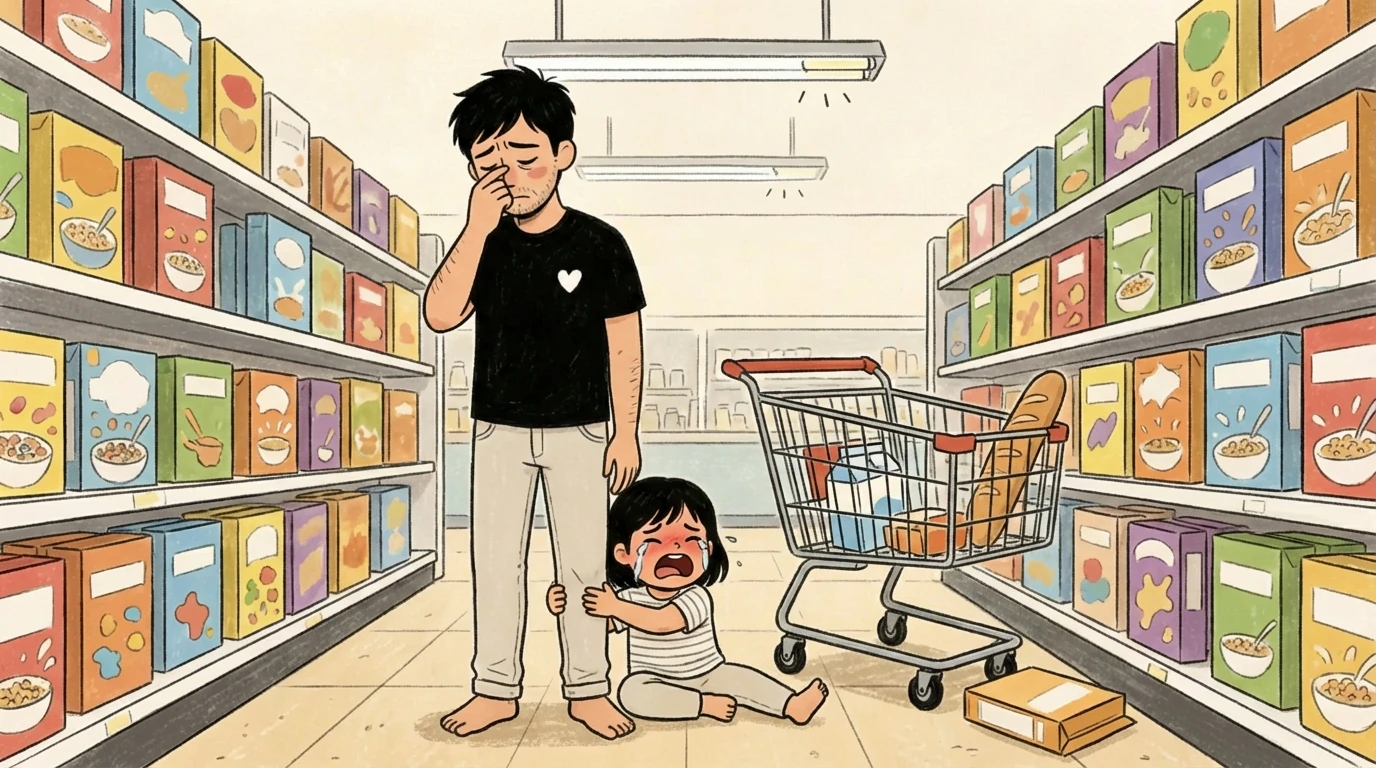
You cannot co-regulate a child if your own system is in fight-or-flight. With a sensitive child, this matters double, because they will feel your dysregulation as an additional threat.
Before you address the child, address yourself. One breath. A silent mantra ("I can get through this moment"). Drop your shoulders. A steady presence communicates something words cannot: the feelings inside you that feel so scary do not scare me.
Boundaries and feelings, held together
The trap most parents fall into is choosing one side: either tiptoeing around every trigger to prevent explosions, or coming down hard with consequences. Both fail.
Tiptoeing teaches the child that their feelings are too dangerous for anyone to withstand. Harsh punishment adds shame to a flooded system and builds zero skills. The third path is both at once: firm limit, full emotional validation.
A script that works: "I love you. I will not let you throw your books. It is okay if you need to cry. I can handle your tears."
That last line directly counters the message sensitive children fear most: that they are too much.
Screaming on the kitchen floor
The Spirited Kids course will walk you through the meltdown arc
You'll know exactly when to move close, when to stay quiet, and when the storm is almost over.
Lower the input, then wait
A nervous system in overdrive cannot calm down while the stimulus that triggered it keeps going. Move to a quieter space. Dim the lights. Lower your voice.
Then wait. Sensitive children need far more recovery time after emotional peaks than their peers do. Rushing them back to "normal" before their body has finished processing will restart the cycle. Sit nearby. Stay quiet. Let their system come down at its own pace.
How to support a sensitive child through a meltdown
- Regulate yourself firstTake a breath before you respond. Your child absorbs your emotional state. If you escalate, they escalate faster. A steady presence communicates safety even when everything feels chaotic.
- Stop the unsafe behaviorState the boundary simply: 'I will not let you hit.' If words are not enough, use your body to block or gently hold. Safety first, teaching later.
- Validate the feeling underneathName what they are experiencing from their perspective. 'That sound was way too loud for you' or 'You really wanted more time.' Validation means acknowledgment, not agreement.
- Reduce sensory inputMove to a quieter space, dim lights, lower your voice. A nervous system in overdrive cannot calm down while the input that triggered it keeps coming.
- Give recovery timeSensitive children need longer to come down from emotional peaks. Do not rush the return to normal. Sit nearby, stay quiet, and let their body finish processing.
Playing the long game (between meltdowns)
Learn their specific triggers
Most sensitive children have a pattern. Some are sensory (noise, textures, crowds). Some are emotional (feeling misunderstood, perceived unfairness, absorbing someone else's distress). Some are routine-based (transitions, changes, surprises).
Track what happens before meltdowns for two weeks. Note the time of day, the setting, and what preceded the eruption. Patterns that seemed random start to look predictable. And predictable means preventable. You might find that meltdowns cluster around late afternoon when blood sugar drops, or that they spike on days with too many transitions packed together. That information tells you where to build buffers.
Prepare a recovery toolkit
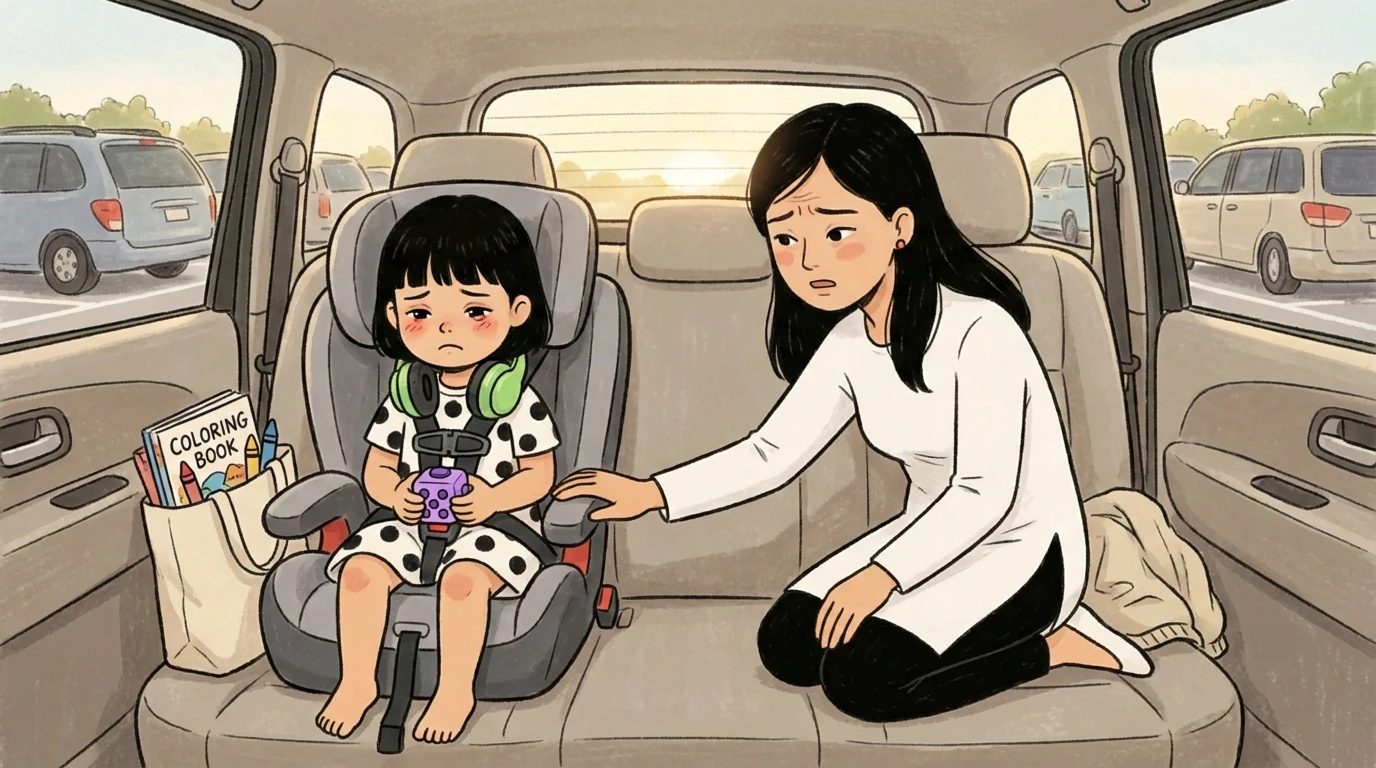
For situations where you cannot leave (road trips, family gatherings, airports), give your child tools ahead of time. Noise-canceling headphones. A fidget toy. A small bag with items they find calming. Older children can help create this kit themselves, which makes them more likely to use it.
Plan exits before you need them. If you know a birthday party will overwhelm your child after 45 minutes, build a check-in at the 30-minute mark. A planned retreat to a quiet room is preventing an explosion that neither of you wants.
Repair after every rupture
Sensitive children have long emotional memories. An argument you forgot by dinner is still sitting in their chest at bedtime. When you lose your cool (and you will), come back and repair. "I yelled earlier. That was about my frustration, not about you. I am sorry."
Repair does more than patch a single moment. It teaches the child that relationships can survive conflict, that big feelings do not permanently break anything, and that the people they love will come back and make things right. For a child whose nervous system reads every raised voice as a threat, that repeated experience of reconnection builds real safety over time.
When to look deeper
Meltdowns that are frequent, dangerous, or interfering with daily life across multiple settings warrant professional input. A calm-down space and sensory tools can make a real difference at home, but if you are seeing escalating aggression, social struggles that do not improve, or meltdowns that seem to come from nowhere, talk to your pediatrician about a developmental evaluation.
A sensitive temperament is not a diagnosis. But sensitive children can also have ADHD, anxiety, or sensory processing differences layered on top. Sorting out what is driving the behavior changes everything about how you respond.

FAQ
No. Highly sensitive children experience genuine neurological overwhelm during meltdowns. Their nervous system processes input more intensely, and their emotional reactions are involuntary, not strategic. A child in the middle of a meltdown has lost access to logical thinking.
Most mild-temperament children show noticeable self-regulation around age five. Highly sensitive children often do not reach that same level until ages seven to nine. This is a brain development timeline, not a parenting failure. Your co-regulation now is building the circuits they will use later.
Avoiding every trigger teaches the child that the world is too dangerous to handle. Instead, anticipate known triggers, prepare the child for what is coming, have a recovery plan ready, and gradually build tolerance. The goal is coping skills, not a bubble.
Sensitivity is a temperament trait, not a phase. They will not stop being sensitive. But they will build better skills for managing their responses over time, especially with consistent co-regulation, clear boundaries, and environments that account for their needs.
Separate the feeling from the behavior. Say: 'You can be angry about this. I will not let you throw things. I can handle your tears.' This tells the child their emotion is welcome, the destructive action is not, and you are sturdy enough for all of it.