TLDR
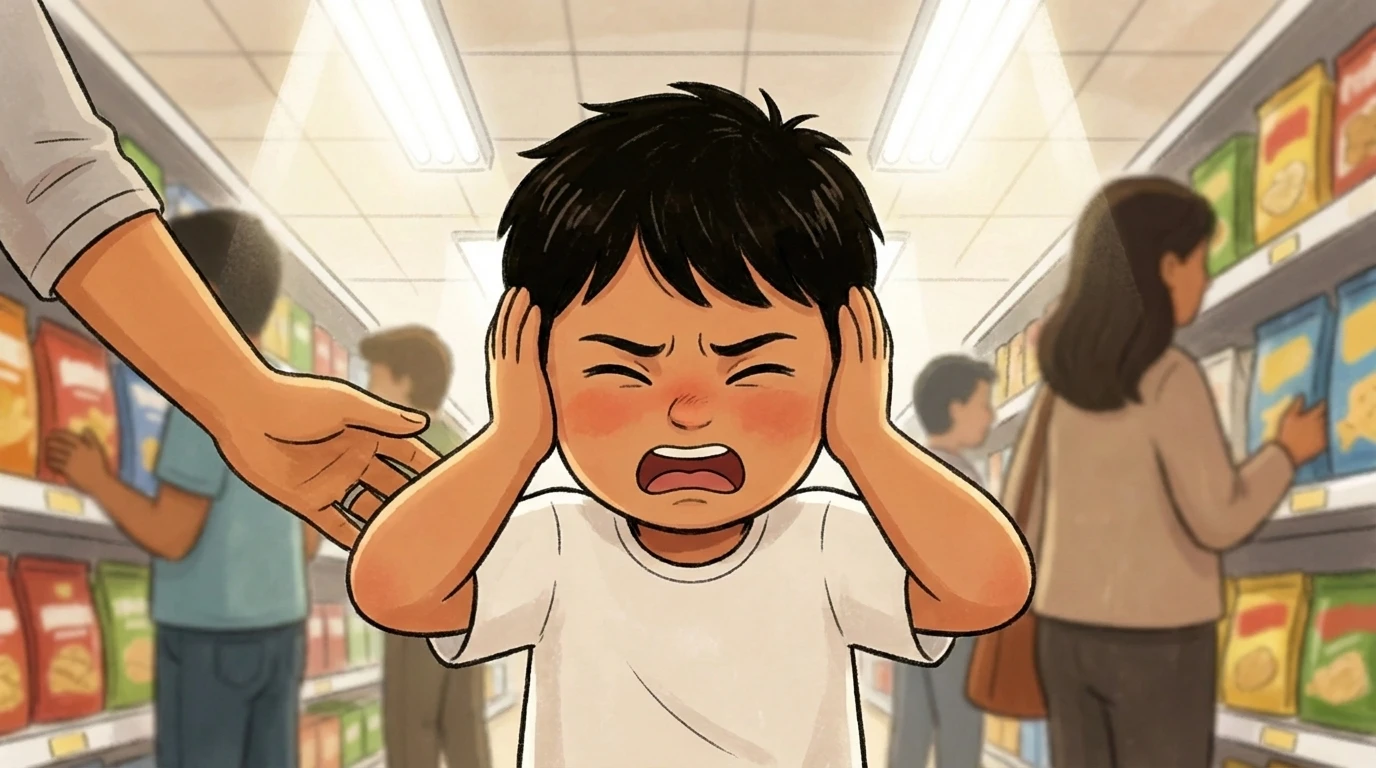
- Every nervous system has a threshold. When sensory input exceeds what your child's brain can process, the system crashes. The meltdown is the crash, not a choice.
- Sensory-seeking and sensory-avoiding look completely different. Some kids hit because they need more input. Others hit because they need less. The intervention depends on which one you're dealing with.
- The trigger is the environment, not the attitude. Fluorescent lights, background noise, scratchy clothing, crowded rooms. If reactions follow sensory patterns rather than frustration patterns, the nervous system is talking.
- Your calm is their off-ramp. A stressed parent amplifies a stressed child. Your regulated nervous system is the single most effective tool in the room.
- Practical accommodations and emotional support work together. Earplugs, dimmed lights, and quiet corners handle the input. Your presence handles the feelings underneath.
What sensory overload looks like (beyond "being dramatic")
Your kid was fine at breakfast. Fine in the car. Then you walked into the birthday party and within eight minutes they were screaming, hitting, or hiding under a table.
That escalation speed is the signature. Sensory overload doesn't build slowly like frustration. It hits a wall. The nervous system absorbs input until it can't absorb any more, and then everything comes out at once. The volume, the lights, the other kids bumping into them, the smell of pizza mixed with balloons: each one adds to the load until the system tips.
Here's what makes it confusing. The same child who melts down at a birthday party might be perfectly fine at a louder playground. The difference is their temperament and sensory threshold, which shifts depending on how much stress they've already absorbed that day. A child who slept badly, skipped a snack, or had a hard morning at school arrives at the party with a backpack already half full. It takes less to push them over.
Two kinds of sensory kids
Sensory-avoiding kids are the ones most people picture. Tags feel like sandpaper. Hand dryers in bathrooms are terrifying. They cover their ears, refuse certain foods based on texture, and melt down when the room gets too loud or too bright. Their nervous system registers ordinary input as threatening.
Sensory-seeking kids are the opposite and often get misread as "wild" or "hyper." They crash into furniture, chew on their shirt collar, need to touch everything, and seem to require physical impact the way other kids require air. When their body doesn't get enough input, restlessness builds until it spills out as hitting, throwing, or climbing things that should not be climbed.
Both types can hit. The sensory-avoiding child hits to escape. The sensory-seeking child hits because their hands are looking for input. The behavior looks the same. The cause is completely different. And the distinction between sensory-driven aggression and frustration-driven aggression changes everything about how you respond.
Leaving the party early
The Spirited Kids course will help you spot overload before it peaks
You'll catch the first flinch at noise or light and step in before the full shutdown hits.
Reading the signals before the crash
The meltdown has a warm-up period. Most parents learn to spot it after a few rounds.
For sensory-avoiding kids, watch for: hands over ears, squinting or turning away from lights, refusing to touch things, getting rigid or still, whining about clothing or sounds that didn't bother them yesterday. The whining is the early warning. If you can reduce input at that stage, you often prevent the full crash.
For sensory-seeking kids, watch for: increasing restlessness after sitting too long, bouncing or crashing into things, chewing on objects, getting louder and more physical. These kids often escalate after extended car rides, long indoor stretches, or any situation where their body was forced to be still.
The emotional backpack effect
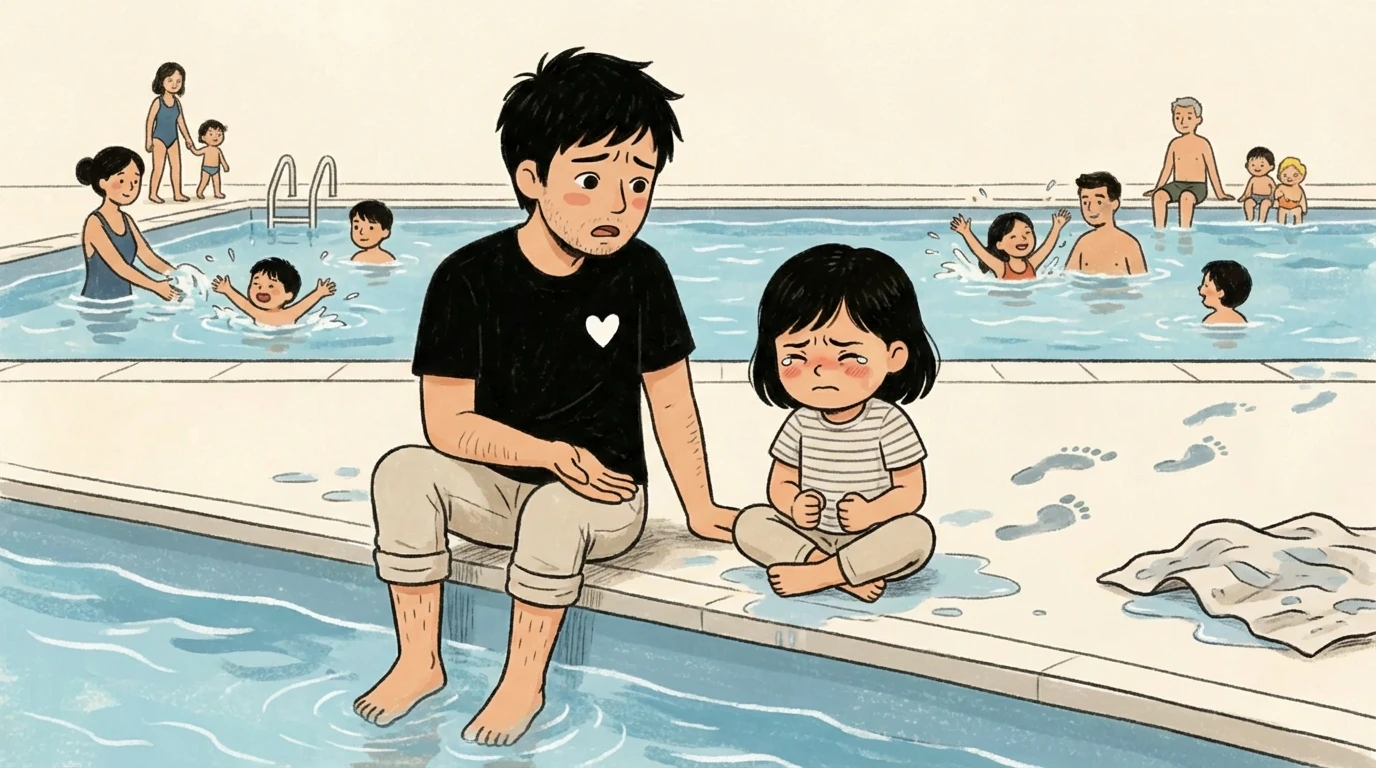
Some days your child handles the grocery store fine. Other days, the same store at the same time produces a meltdown. The variable isn't the store.
Children accumulate stress throughout their day. A tough morning at school, a fight with a sibling, not enough sleep: each one fills the emotional backpack. When the backpack is full, sensory input that was manageable yesterday becomes unbearable today. This is why the same child can seem "oversensitive" on Tuesday and perfectly fine on Thursday.
The meltdown that finally happens at the store is about everything that came before it.
What to do when they're already overloaded
When the crash is happening, talking makes it worse. Their brain is in survival mode. Logic, reasoning, explanations: none of it lands because the prefrontal cortex has gone offline.
Step one: reduce input immediately
Move to a quieter space. Dim lights if you can. Stop talking except for brief, low sentences. If you're in a store, go to the car. If you're at a party, find an empty room or step outside. The goal is removing sensory load, not removing the child from your life for the next ten minutes.
Step two: name the feeling, not the behavior
Once you've reduced the input, one sentence: "Your body is saying it's too much right now." That's it. You're narrating what's happening, not lecturing. Naming what's happening reduces distress because the child feels seen instead of broken.
Step three: offer a redirect that matches their need
For the sensory-avoiding child: "Let's find somewhere quiet. You can sit with me until your body feels ready." Offer earplugs, a hood, a blanket, dim the lights, whatever reduces input.
For the sensory-seeking child: "Your body needs to move. Let's go outside and run." Offer a squeeze ball, clapping games, jumping, anything that gives their hands and body the input they're craving.
When you're overstimulated too
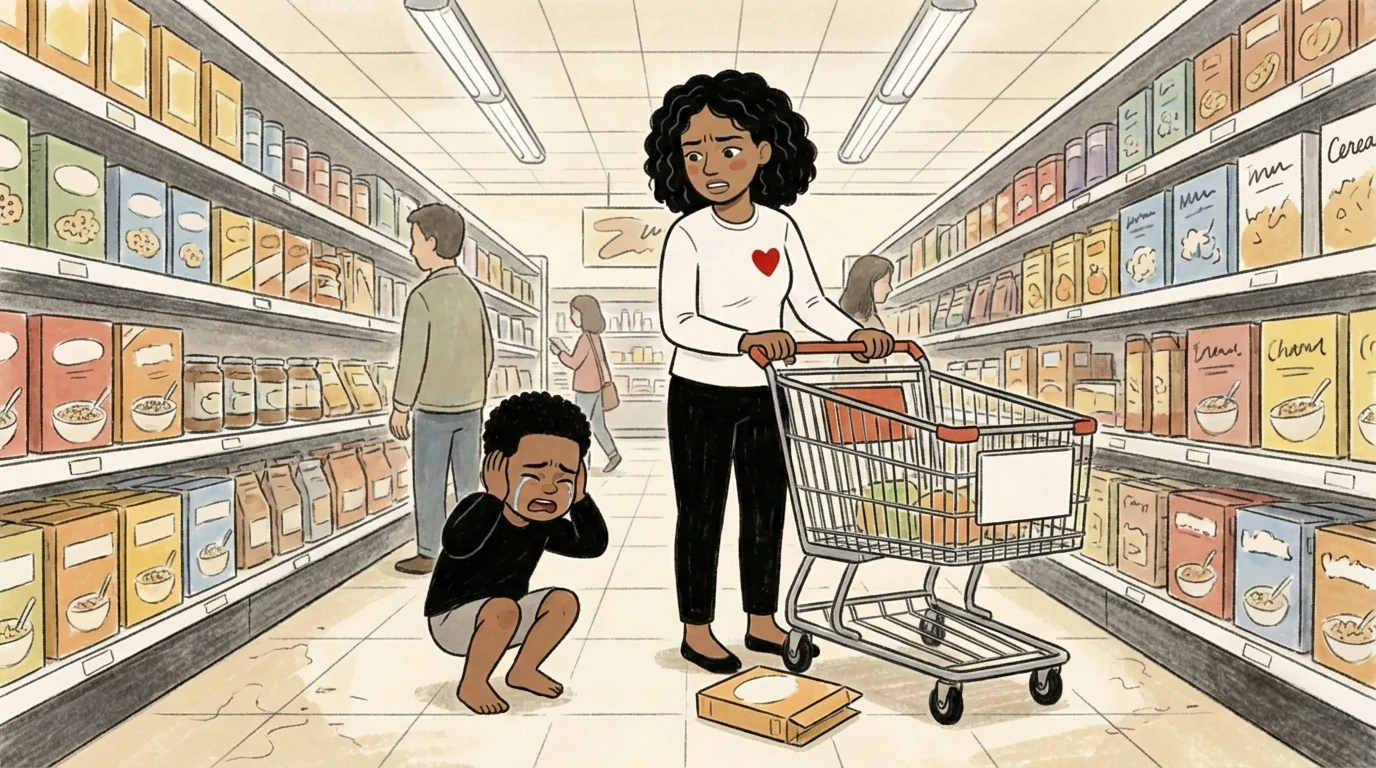
Here's the part nobody talks about enough. Your own sensory overload is running in parallel. The screaming child in the grocery store is flooding your nervous system at the same time it's flooding theirs. And when two overwhelmed nervous systems collide, everybody escalates.
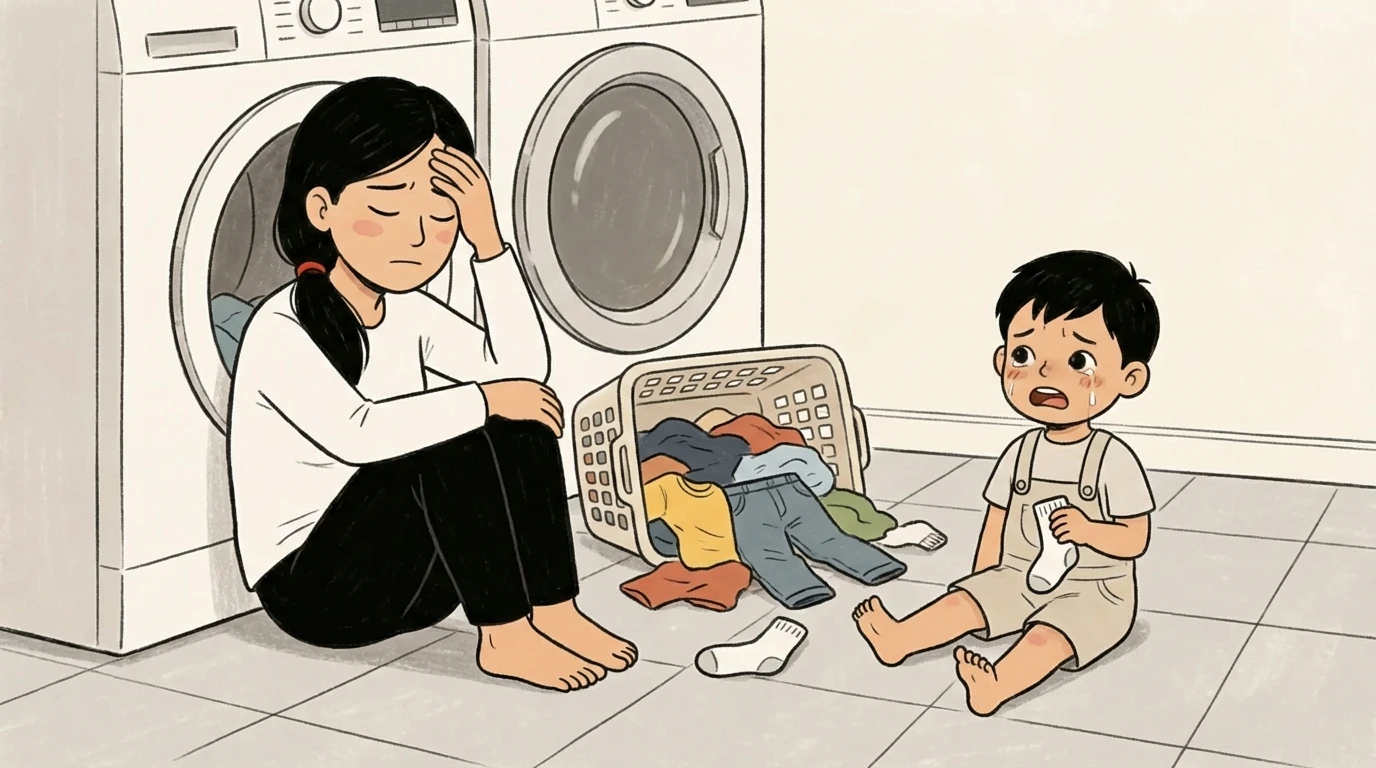
If you're already at your limit, your child will feel it. Kids' nervous systems are tuned to their parents' emotional states. A tense parent makes a tense child tenser. This is pure physics. Your regulation is the biggest intervention in the room.
When you feel your own system hitting the wall: stop talking, breathe out longer than you breathe in, and drop whatever agenda you had for the next five minutes. You can't co-regulate a child from fight-or-flight.
How to reduce sensory overload before it starts
- Map your child's triggersTrack what happened before the last five meltdowns. Note the setting, the noise level, how long they'd been sitting, and what they ate. Patterns show up fast when you write them down.
- Build sensory breaks into the dayIf your child is sensory-seeking, schedule movement every 90 minutes. If they're sensory-avoiding, build in quiet time before high-stimulation events. Prevention is easier than recovery.
- Modify the environment firstEarplugs, sunglasses, a hoodie for crowded places. Noise-cancelling headphones for restaurants. These tools are accommodations, not crutches.
- Front-load transitionsTell your child what's coming. 'This party will be loud. If it gets too much, we'll go outside together.' Knowing the exit exists reduces the panic.
- Watch for the early signalsWhining, rigidity, covering ears, increasing wildness. Intervene at the first sign instead of waiting for the meltdown. The warm-up period is your window.
When sensory overload keeps showing up
Every kid gets overwhelmed sometimes. Birthday parties are loud. Grocery stores are terrible. That's normal.
But if your child's sensory reactions are consistent, intense, and interfering with daily routines across multiple settings, that's worth investigating. About 1 in 20 children has sensory integration challenges where the nervous system processes input differently enough to need support.
A pediatric occupational therapist can evaluate what's happening and teach you specific strategies. They can tell you whether your child's reactions fall within typical variation or whether their nervous system needs targeted intervention. If the patterns start looking like they might signal something bigger, an evaluation gives you a map instead of guesswork.
The parent who seeks an evaluation is paying close enough attention to notice that their child's experience of the world is different from what most kids are dealing with. That attention is exactly what their child needs.

FAQ
Sensory-seeking kids crave input: they crash into things, chew on objects, and need constant movement. Sensory-avoiding kids flee from input: they cover ears, refuse textures, and melt down in loud or bright environments. Some kids are both, depending on the type of sensory input.
Sensory processing differences can exist on their own or alongside autism, ADHD, or anxiety. Many children with sensory challenges have no other diagnosis. A pediatric occupational therapist can evaluate whether sensory processing is the primary issue or part of a larger picture.
Many children develop better coping strategies over time, and mild sensory sensitivities often become manageable with age. Children with more significant sensory processing differences benefit from occupational therapy, which teaches their nervous system to integrate input more effectively.
Complete avoidance isn't the goal. Gradual, supported exposure with accommodations like earplugs or sunglasses and a clear exit plan builds tolerance over time. Removing all challenges prevents your child from developing the coping skills they'll need.
Yes. Sensory tools are accommodations, the same way glasses are accommodations for vision. They reduce input to a level the nervous system can handle, which allows your child to participate in activities that would otherwise be impossible.