
TLDR
- Three days is the kickoff, not the finish line. Most children need continued practice after the initial weekend. The method gets you started. Consistency in the following weeks gets you done.
- Readiness is the entire ballgame. A child who can stay dry for two hours, follow simple instructions, and show interest in the bathroom will learn fast. A child missing those signals will fight you every step.
- This is body awareness training, not obedience training. Your child learns to notice internal cues and respond to them. That skill transfers to everything from hunger awareness to emotional regulation.
- Accidents are information, not failures. Every accident tells you something about where your child is in the learning process. Your reaction to accidents matters more than the accident itself.
- Parent preparation matters as much as child preparation. Your ability to stay regulated through three days of messes and wet floors determines whether this stays a learning experience or becomes a power struggle.
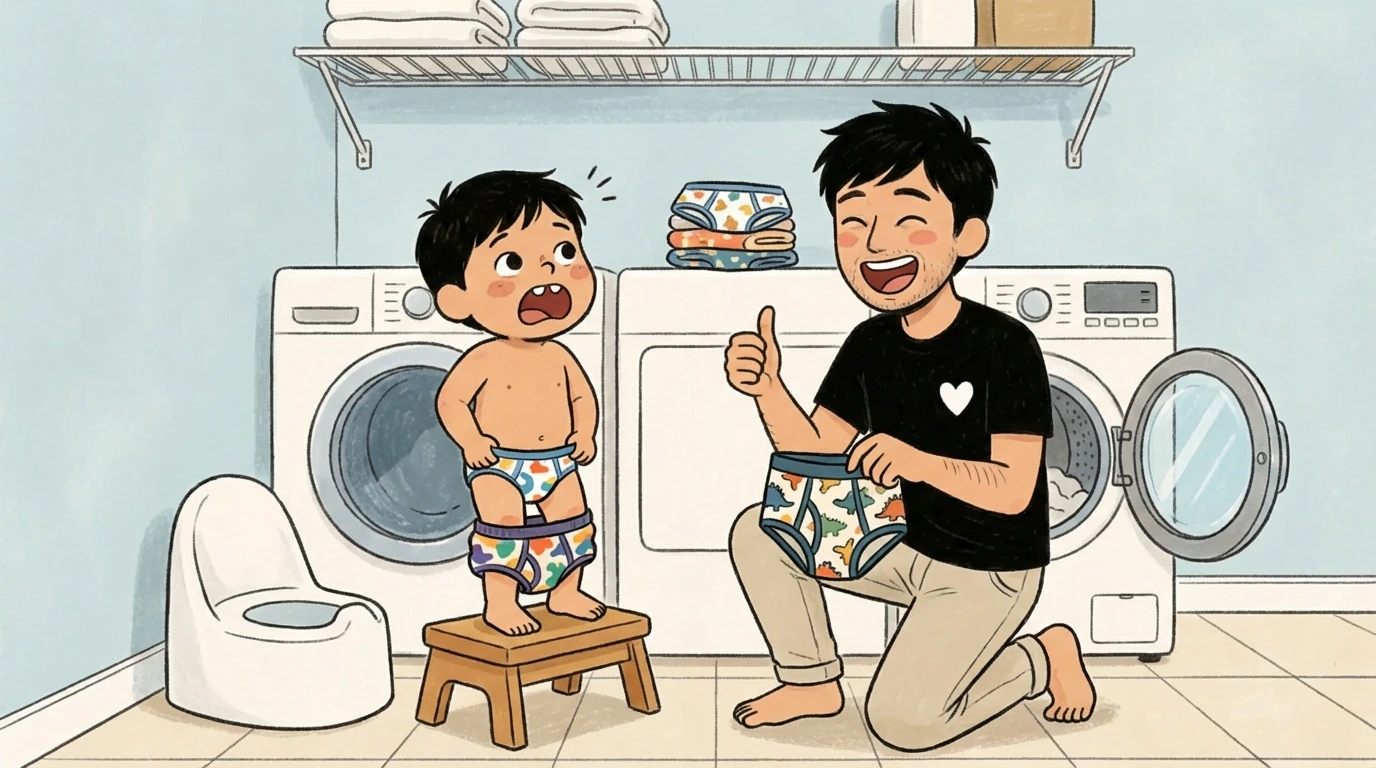
What "3-day potty training" really means
The phrase gets thrown around like it's a magic trick. Three days and your kid is toilet trained. Done.
Three days is the intensive launch period where your child builds the connection between a full bladder and getting to a potty. The weeks after are where the skill solidifies. Think of it like learning to ride a bike: the first weekend with training wheels off is dramatic, but the riding gets smooth over the next month.
The method works because it removes the safety net (diapers) and gives concentrated practice in recognizing body signals. More liquid in means more opportunities.
But here's the part nobody puts in the Instagram caption: the method only works if your child's body and brain are ready for it.
Readiness is not optional
Before you clear your weekend and roll up the rugs, verify that your child has the developmental prerequisites. Not sure where your child stands? A potty training readiness quiz can help you check the boxes.
What ready looks like in practice
Look for these signals in your specific child:
- Dry stretches of two hours or more between diaper changes
- Predictable bowel movements at roughly the same times each day
- Interest in bathroom activities (following you in, asking questions)
- Ability to follow simple instructions like "bring me your shoes"
- Communication of wants and needs, verbal or otherwise
If three or more of those are missing, wait. A child pushed into toilet learning before readiness takes longer, has more accidents, and builds negative associations that create potty regression down the road.
What ready does not look like
Ignore these entirely: your friend's kid trained at 20 months, grandma says you were trained at 18 months, the preschool deadline is in September, you're just really tired of buying diapers.
External pressure is not readiness. The only person whose readiness matters is the one who controls the relevant muscles.
Puddles on day two
The Potty Training course will show you a pace that sticks
You'll follow a day-by-day sequence timed to your child's learning speed, not an arbitrary weekend deadline.
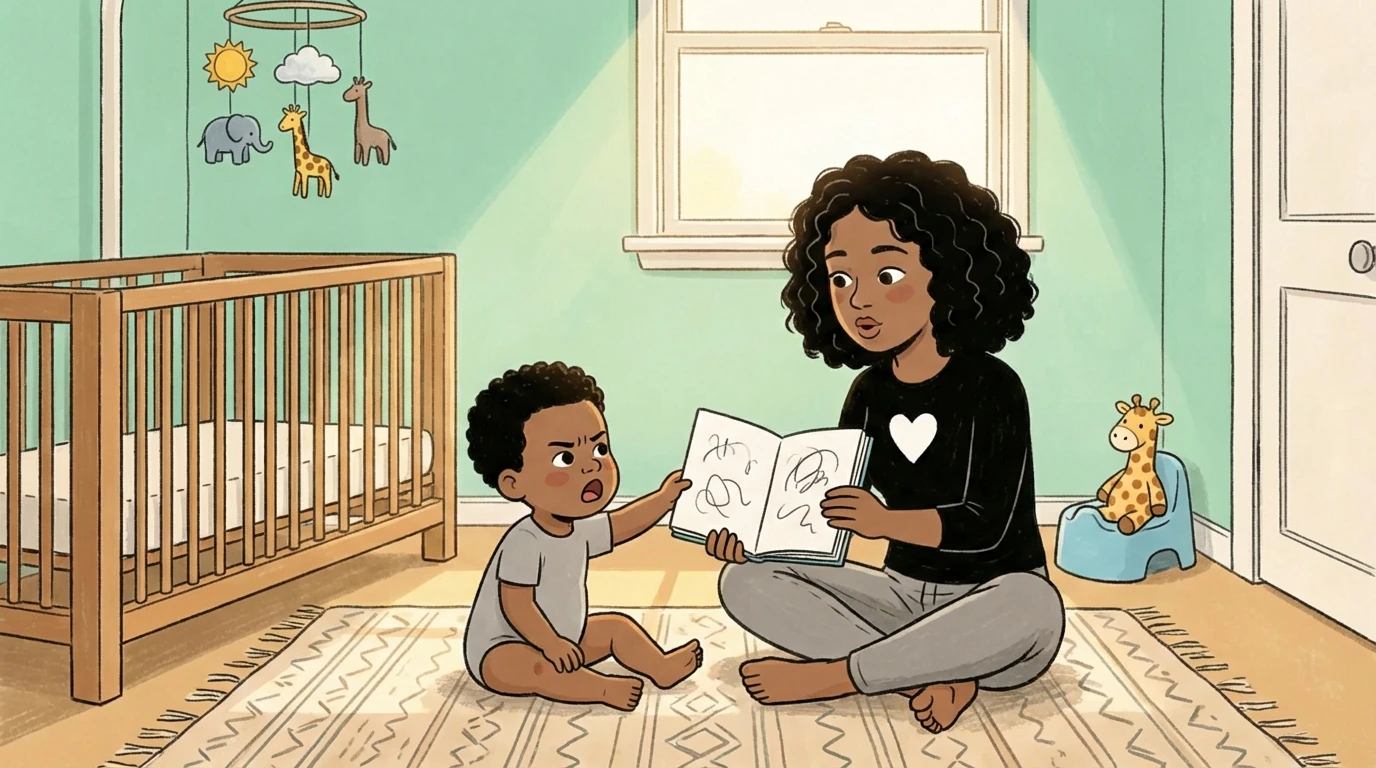
Preparing yourself (the harder prep)
You're about to spend three days watching your child's lower half like a hawk. You'll be mopping floors, catching mid-stream pees, and resisting every urge to say "maybe you should try sitting on the potty."
Ask yourself before day one: what happens when I'm invested in something I can't control? How do I handle messes? Can I watch my child fail repeatedly without jumping in to fix it?
The distinction between outcome and process is everything here. The outcome you want is a child who uses the potty. The process involves accidents, confusion, wet floors, and your child gradually connecting the dots. If you can stay calm through the process, the outcome takes care of itself.
The three days, step by step
Setting up the house
The night before, turn your home into a potty-learning environment. Place small potties in every high-traffic room. Roll up area rugs and cover furniture with old blankets. Stock up on your child's favorite drinks and make popsicles (more fluids equals more practice). Keep cleaning supplies and extra underwear in every room. Clear your schedule completely.
Day one morning
When your child wakes up, make it an event. "Today we're starting something new. We're going to use the potty. What underwear do you want to wear?" Let them pick. Ownership matters.
Then give them their job description: "Your job is to pay attention to your body and tell me when you feel that 'I need to go' feeling. We'll run to the potty together and get as much pee or poop in there as we can."
Notice the language. "As much as you can," not "all of it." You're setting an achievable bar.
The rhythm of the weekend
For three days, you watch. You follow their cues. You don't ask "do you need to go?" every ten minutes (that teaches them to tune you out). Watch for the squirm, the pause, the sudden stillness. When you see it, say "I think your body is telling you something. Let's check."
When they make it, lose your mind with celebration. Dance. Sing. Be ridiculous. When they don't, say "oops, some pee came out, let's get to the potty for the rest" and clean up together. Same tone every time.
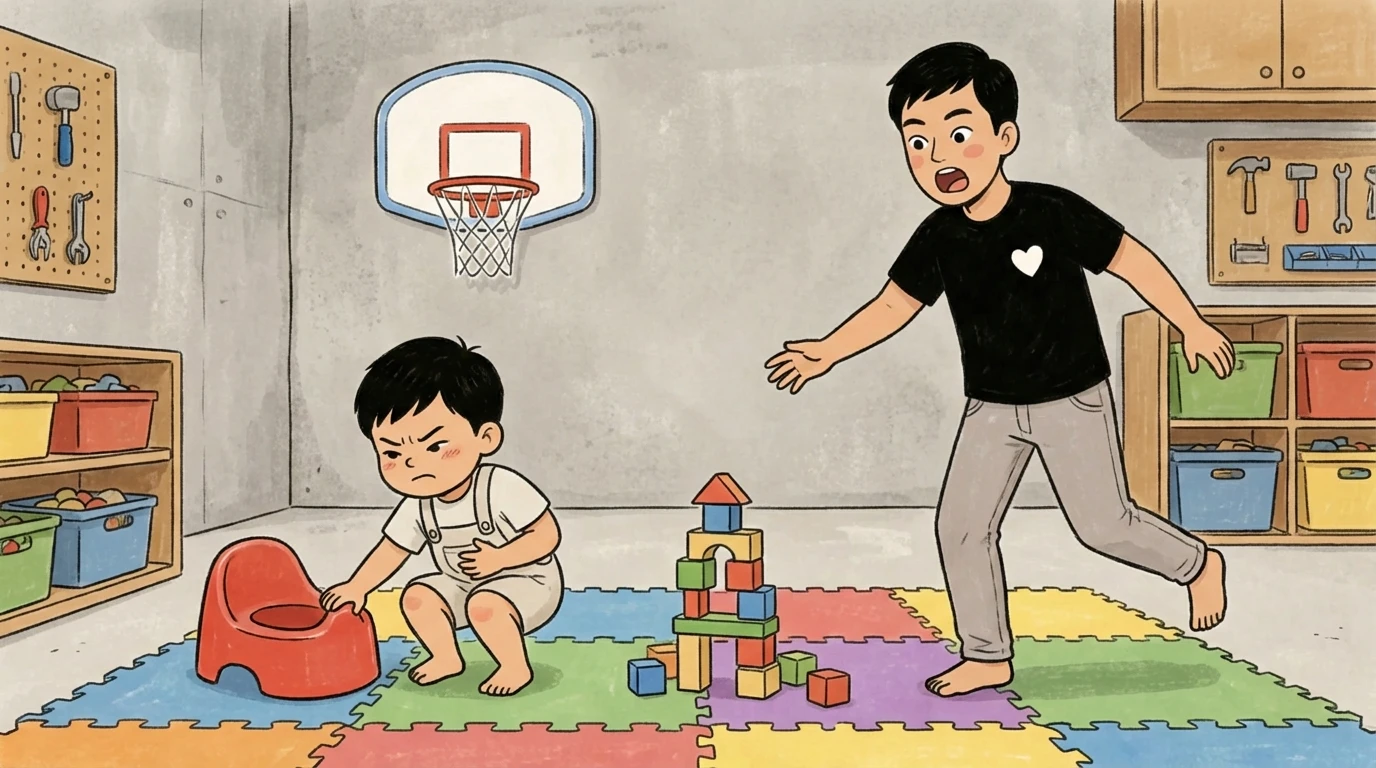
How to do 3-day potty training right
- Check readiness before you commitYour child should stay dry for two-hour stretches, follow simple instructions, show interest in the bathroom, and communicate wants. Missing three or more of these signals means waiting will save you time.
- Prepare the house the night beforeRoll up rugs, cover furniture with old blankets, place potties in high-traffic rooms, stock up on favorite drinks and popsicles. Keep cleaner and paper towels within arm's reach everywhere.
- Ditch the diaper on morning oneWhen your child wakes up, explain the plan with enthusiasm: 'Today we're using the potty. What underwear do you want to wear?' Let them choose. Confidence and choice in the same sentence.
- Assign them the job of noticingTell your child their job is to pay attention to their body and let you know when they feel the urge. Your job is to help them get to a potty fast. This creates partnership, not obedience.
- Handle every accident the same waySay 'Oops, some pee came out. Let's get to the potty for the rest.' No sighing, no disappointment. Clean up together matter-of-factly. Each accident is data about their learning curve.
- Celebrate catches with ridiculousnessSilly dances, high-fives, goofy songs. The goal is joy, not rewards. Skip sticker charts and candy. External prizes shift motivation from body pride to 'what do I get next.'
When the method creates resistance
Three days of intensive focus on one skill is a lot for a toddler. Some kids hit a wall on day two where they refuse to sit, refuse to try, refuse to acknowledge the potty exists.
This is overwhelm, and pushing harder makes it worse. You have two options: back off the intensity while keeping diapers off, or pause entirely and try again in a few weeks. Pushing through power struggles around toileting creates associations that take months to undo.
What happens after the three days
Day four you leave the house. Short trip. Potty in the car. Extra clothes in the bag.
The real skill you're building is self-initiation. Your child feels the urge, tells you (or just goes), and handles it. If you're reminding them every 30 minutes two weeks in, the method hasn't failed, but it hasn't finished either. The reminders should fade naturally as the body-brain connection strengthens.
Some children nail daytime quickly but nighttime takes months longer. That's biology, not behavior. Nighttime dryness depends on a hormone called vasopressin that suppresses urine production during sleep. You can't train that. Use pull-ups at night without guilt.
The groundwork that makes three days possible
The best "3-day potty training" stories start months earlier. Parents who have smooth weekends usually did this groundwork without thinking of it as a method:
- Changed diapers in the bathroom (building location associations)
- Let the child watch bathroom use (modeling the body-signal-to-action sequence)
- Narrated their own body signals: "My bladder feels full. I'm going to the bathroom."
- Placed a potty in the bathroom and let the child explore it with zero pressure
- Let the child pick out underwear when they showed interest
None of this feels like "potty training." That's the point. The preparation phase teaches the concepts. The three-day weekend is where they practice the execution.

The honest answer about timelines
"Will my child be fully trained in three days?" Probably not. Fully trained means self-initiating, staying dry during naps, and having rare accidents. That takes most children a few weeks to a couple of months after the initial weekend.
The children who struggle with this method are almost always the ones who weren't ready. If your child fought it the whole weekend, that's valuable information. Wait a month. Try again. The second attempt with a readier child often goes smoother than the first attempt ever could have.
FAQ
Three days is the kickoff, not a deadline. Some children click on day two. Others need a week or two of continued practice. If your child is having frequent accidents after a full week with no improvement, they may not have been ready. Back off, return to diapers without commentary, and try again in a few weeks.
Not during the day. Pull-ups feel like diapers and mask the wet sensation that teaches body awareness. Use real underwear or bare bottom during waking hours. Pull-ups at nap and bedtime are fine since nighttime dryness is a separate biological milestone.
Start on a long weekend when you have three consecutive days at home. Then talk to your daycare provider about continuing the approach. Most providers will support the transition if you send extra clothes and communicate the plan. Consistency between home and daycare matters.
Stop asking them to sit. Forced sitting creates negative associations. Instead, increase fluids and wait for them to notice the urge on their own. When they feel the fullness and choose to go, the learning sticks. Sitting without producing anything is just furniture testing.