TLDR
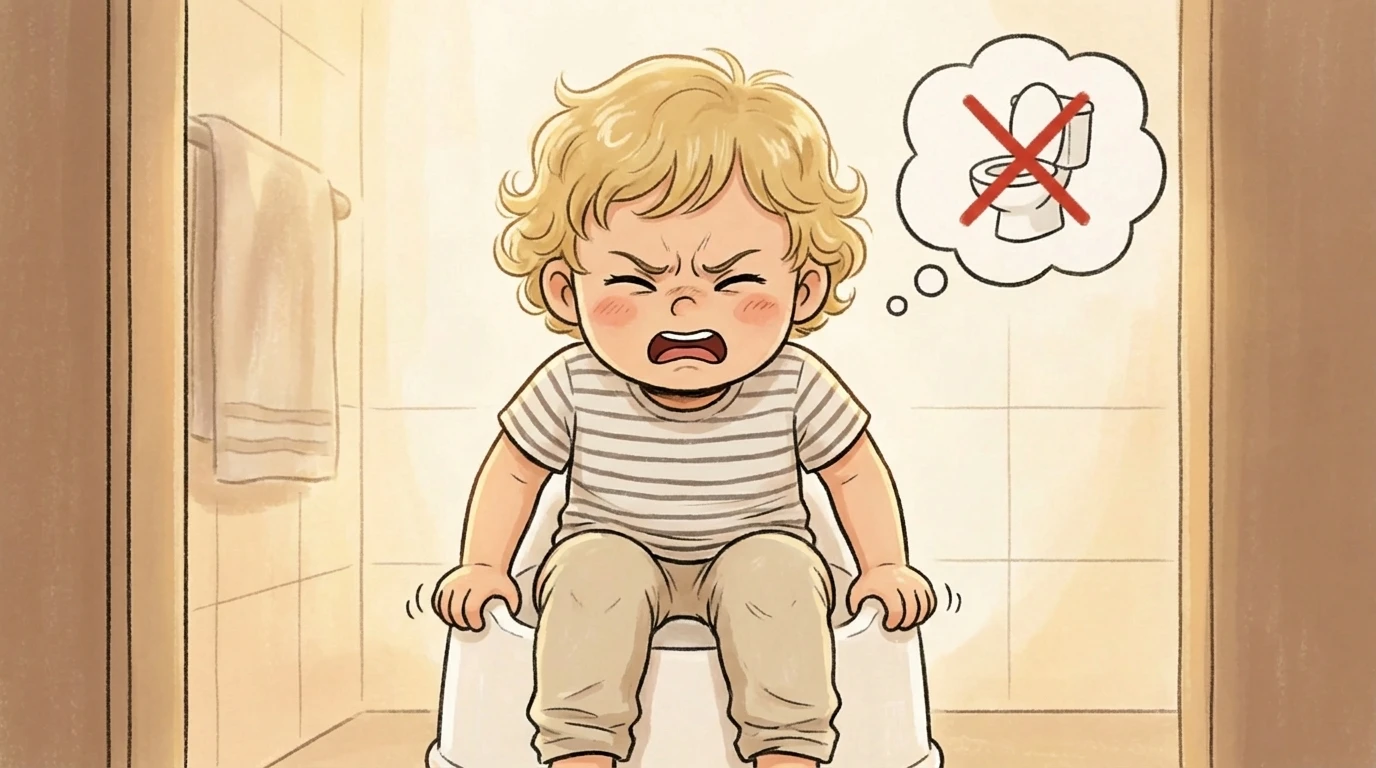
- One painful poop can start the whole cycle. A single hard bowel movement teaches a child that pooping hurts. They start holding to avoid pain, which makes the next one worse. The cycle self-reinforces.
- Withholding is physical, not defiant. Children who hold their stool are not being stubborn. Their colon may be stretched, their reflexes disrupted, and their rectal nerves dulled. The body is malfunctioning.
- Soft stools are the foundation of everything. Stool softeners like Miralax, maintained for months, prevent the painful experiences that keep the fear alive. Target consistency: oatmeal.
- Punishment guarantees it gets worse. Shaming a child for soiling leads to hiding, lying, and deeper anxiety. The accidents are not voluntary. Most kids can't feel the urge until it's already happening.
- A specialist may be needed if home efforts stall. If a month of consistent effort shows no improvement, a pediatric gastroenterologist can check for blockage and recommend a more structured protocol.
How the withholding cycle starts
It usually begins with a single bowel movement that hurt. Maybe a bout of constipation. Maybe a stomach bug that left things raw. Maybe the first time on a big toilet where legs dangled and everything felt wrong.
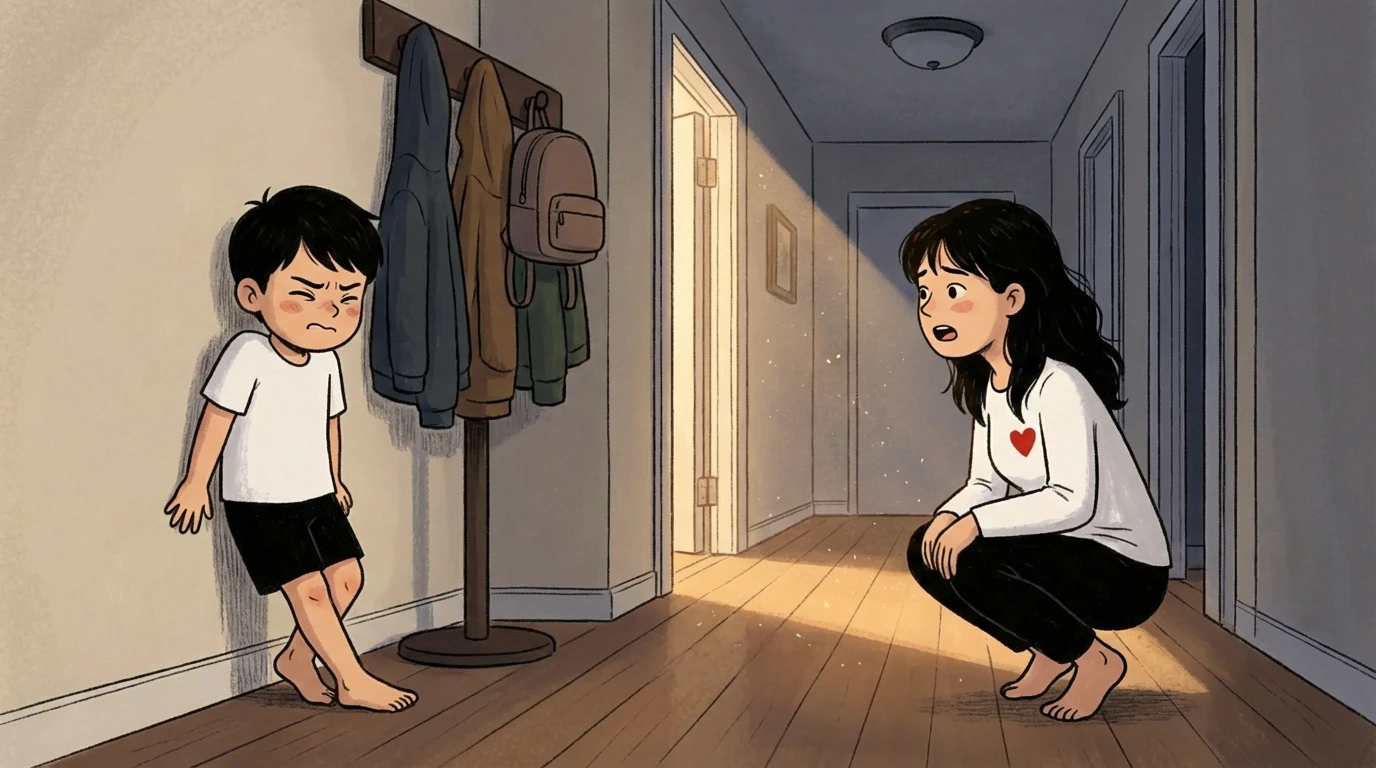
The child's brain files that under "danger." Next time they feel the urge, they clench. Cross their legs, stand on tiptoes, hide behind furniture. They're avoiding something that genuinely hurt them last time.
Here's where biology turns a bad day into a chronic problem. Held stool sits in the colon, which absorbs water from it. The longer it stays, the harder and larger it gets. When it finally comes out, it hurts even more. The child's fear was confirmed. The cycle tightens.
Left alone, this pattern does not resolve. The colon stretches. The nerves that signal "time to go" get dulled. Some kids lose the ability to feel the urge until stool is already leaking around the blockage. That leaking, called encopresis, often happens without the child even knowing.
Why this is a body problem
Parents who arrive at this point are exhausted and confused. The child was potty trained. They know how to use the toilet. So why won't they just go?
Because "just going" requires a body that's functioning normally, and theirs isn't. A stretched colon doesn't squeeze properly. Dulled nerves don't send the right signals. If pressure around pooping has entered the picture, anxiety is now layered on top of physical dysfunction.
Treating this as a discipline problem will make it worse every single time. The child wants to fix this. They need their body to work again before confidence can follow.
Clenching and holding for days
The Potty Training course will help you break the fear cycle
You'll rebuild your child's trust that it won't hurt, so they stop clenching and start letting go.
Breaking the pain-fear cycle
The single most important intervention is keeping stools soft enough that bowel movements never hurt. For most families, this means a stool softener like Miralax, prescribed by your pediatrician.
How long you'll need it
Longer than you think. Plan on months, not weeks. The colon needs time to shrink back to normal size, and the child needs dozens of pain-free experiences to overwrite the fear memory. Weaning too early is the most common mistake. One painful bowel movement after weeks of progress can reset the whole cycle.
The target consistency
Your pediatrician can dial in the dose, but the goal is soft enough that it comes out easily with minimal pushing. Think oatmeal. If the stool is watery and uncontrollable, the dose is too high. If it's formed and firm, too low.
Why fiber and diet alone often fail
Good hydration and fiber help, but they don't address a child who is actively resisting defecation. Making stool bulkier without softening it gives the child more to hold and more to fear. Fiber is a supporting player, not the lead.

Making bathroom time safe
Soft stools remove the physical barrier. Now you need to address the psychological one.
Accompanied sits
Sit with your child on the toilet (or potty chair) twice a day, ideally after meals when the gastrocolic reflex makes bowel movements more likely. Stay for up to thirty minutes. Your job is to be boring, warm company. Read books. Play a card game. Chat about nothing.
If they go, genuine celebration. If they don't, no disappointment: "Okay, let's take a break. Tell me when you're ready to try again."
Bathroom-only treats
Keep a special box of activities that only comes out during bathroom sits. New coloring books. A specific tablet game. Whatever your child finds absorbing.
Positioning matters
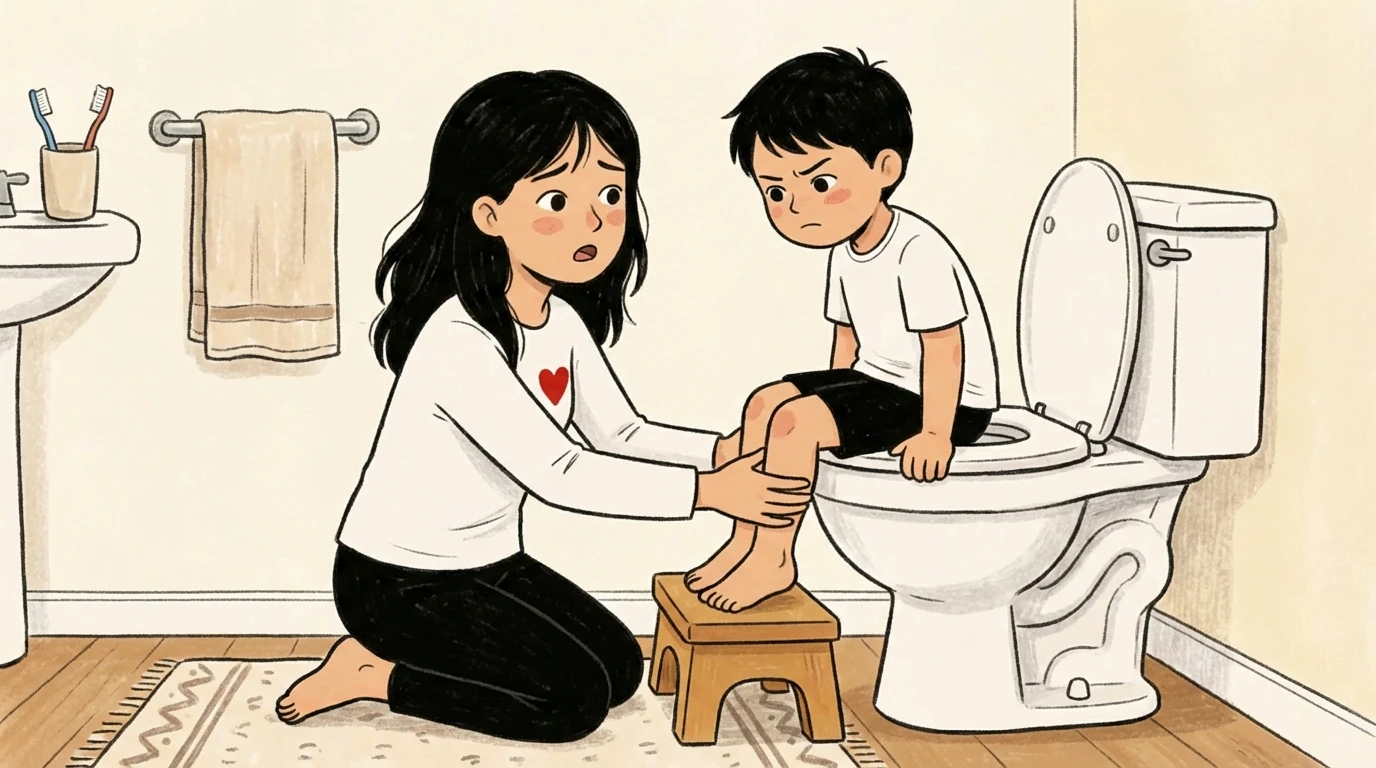
If your child is on a full-size toilet, their feet need to be planted, not dangling. Dangling legs tighten the pelvic floor muscles, which makes pushing harder. A step stool or a toilet-mounted footrest fixes this. Some kids do better on a small potty chair, even at age five. Let them choose.
When accidents happen (and they will)
Soiling accidents during fecal retention are not the same as potty training accidents. The child's rectal nerves may be so stretched that they genuinely cannot feel stool moving. Punishing this is like punishing someone for sneezing.
Your script: "Looks like your body let some out before you felt it. Let's get cleaned up. This will get better as your body heals."
That sentence blames the body (not the child), normalizes the experience, and promises improvement. If you find yourself struggling to stay calm about the fifth pair of soiled underwear this week, step away, breathe, and come back with the script.
Kids who get shamed for soiling start hiding dirty underwear in drawers, behind furniture, in toy bins. Once you're finding hidden underwear, you've lost visibility into the problem.
How to break the withholding cycle
- Start a stool softenerSee your pediatrician for the right Miralax dose. Keep stools soft enough that bowel movements are painless. Plan to maintain this for several months while the colon heals and fear fades.
- Schedule daily bathroom sitsTwice a day after meals, sit with your child for up to thirty minutes. Bring books and games. Make it pleasant. If nothing happens, end positively and try again later.
- Fix the physical setupFeet flat on a stool or floor, not dangling. Let your child choose between a potty chair and the big toilet. Comfort and body position matter more than age-appropriateness.
- Respond to accidents without shameSay 'Your body let some out before you felt it. Let's clean up.' Never punish. Most children with encopresis cannot feel the urge until leaking has already started.
- Track progress for one monthNote bowel movements and accidents daily. If you see improvement in frequency or the child's willingness to sit, continue the protocol. If nothing changes after a month, escalate to a specialist.
When to call in a specialist
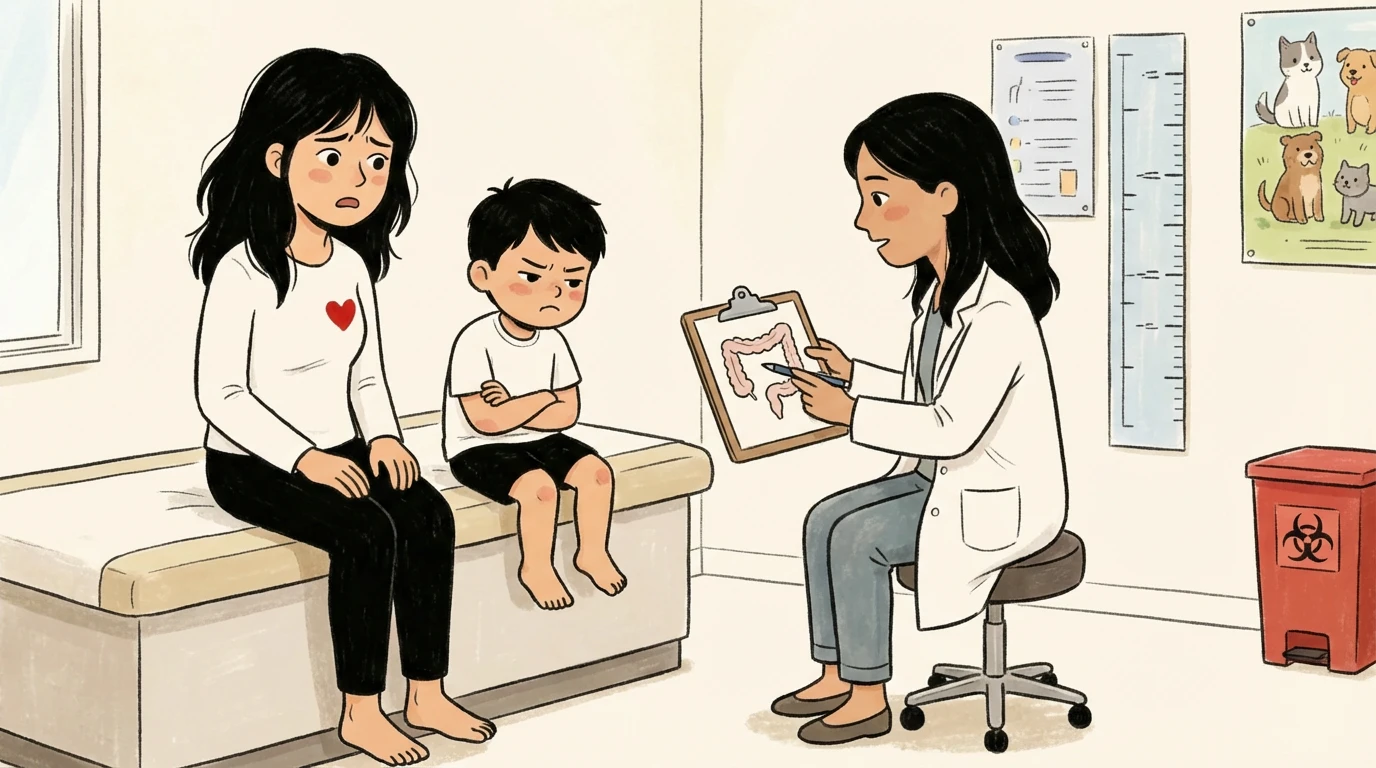
If a month of consistent soft stools, daily sits, and zero punishment shows no improvement, it's time for a pediatric gastroenterologist. Not a general pediatrician (they often take a wait-and-see approach). The physical component needs medical management first.
A pediatric GI specialist will likely:
- Check for fecal impaction with an x-ray
- Recommend a full clean-out if needed
- Create a structured protocol for retraining bowel reflexes
The timeline matters. As children approach school age, the social consequences of soiling become devastating. Kids who have accidents at school get teased. They learn to hide the problem rather than seek help. Early treatment prevents years of suffering.
If the withholding cycle has you questioning whether your child's overall potty training approach needs reassessing, the readiness quiz can help clarify where things stand.
What drives the fear underneath
For some children, withholding is straightforward: it hurt once, so they avoid it. For others, the fear runs deeper, becoming a genuine phobia of defecation. You'll know the difference because a phobic child resists even when stools are perfectly soft. The fear has disconnected from the original painful stimulus and become self-sustaining.
If soft stools and patient bathroom sits aren't reducing resistance, gradual exposure techniques can help. Start with just sitting on the toilet fully clothed. Then sitting with pants down. Then sitting while you read a story about a character who poops. Each step builds tolerance without forcing the terrifying end goal.
The fear is real, even when the danger isn't. A child who screams at the prospect of sitting on the toilet is not being dramatic. Their nervous system is firing a genuine alarm. Dismissing it guarantees the alarm gets louder.
The long view
Fecal retention resolves. With consistent soft stools, patient bathroom routines, and medical support when needed, most children have normal bowel movements within three to six months. The colon shrinks back. The nerves recalibrate. The fear fades.
Your child will not be dealing with this forever. But they will remember how you handled it. The goal beyond physical resolution is a child whose self-esteem survived intact and who learned their body is trustworthy, even when it wasn't working right for a while.
FAQ
With consistent treatment including stool softeners, regular bathroom sits, and zero punishment, most children show improvement within one to two months and resolve fully within three to six months. Without intervention, withholding can persist for years and worsen as the colon stretches further.
No. Children with encopresis typically cannot feel the stool leaking because chronic retention has stretched the colon and dulled the rectal nerves. They are often as surprised and upset by the accident as you are. Punishment makes the problem worse because it adds shame to a situation the child cannot control.
Not immediately. Most pediatric gastroenterologists recommend maintaining stool softeners for several months after bowel movements normalize, then weaning very gradually. Stopping too early is the most common cause of relapse. One painful bowel movement can restart the entire fear cycle.
If one month of consistent soft stools and daily bathroom sits shows no improvement, see a pediatric gastroenterologist. Also seek a specialist if your child has visible abdominal distension, goes a week or more without a bowel movement, or has daily soiling accidents despite soft stools.
Yes. Many cases begin around 18 months to 2 years, often triggered by a painful bout of constipation that has nothing to do with toilet training. If your child was withholding before training started, the issue is rooted in physical discomfort, not potty training pressure.