TLDR
- The roughness is a grief response, not a character flaw. Your older child has lost exclusive access to you. They are mourning that loss with the only tools a small body has: hands, teeth, and force.
- Protect the baby first, always. Pick up the baby. Make them safe. Then, and only then, turn to the child who was rough. This is triage, not favoritism.
- Firm limits and empathy work together, not against each other. You can hold a hard line on 'no hurting' while also acknowledging that your child is struggling. Kids only follow limits from people they feel connected to.
- Preventive connection reduces roughness more than any consequence. Ten minutes of undivided, physical, laughing-together time before the danger window does more than a week of time-outs after the fact.
- The blank face means they are overwhelmed. If your child looks emotionless while being rough, they are numbing themselves against feelings they cannot bear. That face is a cry for help.
Why your older child gets rough with the baby
A baby arrives and your older child's world cracks in half. The person they need most now holds someone else for hours a day. For a two-year-old, this is a catastrophe on the scale of losing a spouse to a younger, cuter replacement who everyone coos over.
The roughness is about jealousy, grief, and a desperate fear of being replaced. Because small children cannot say "I feel displaced and terrified," the body does the talking. Pinching. Grabbing. Sitting on the baby. Pressing too hard during "gentle" pats. This is developmentally normal. Most toddlers will be physically rough with a baby sibling if unsupervised for even a minute.
When roughness spikes (and why)
The worst phase often hits not at birth, but when the baby starts crawling or walking. A baby in a bouncer is ignorable. A baby grabbing your older child's train set is an active threat.
Common triggers:
- Evening hours. By 5pm, most toddlers have burned through every drop of regulatory capacity.
- Parent attention shifts. The moment you start nursing or changing a diaper.
- Transitions. Getting home from daycare, waking from a nap. The child is already shaky, and the baby is the nearest outlet.
What to do in the moment: the intervention sequence
You walk in and your toddler is pressing a wooden block into the baby's leg. Here is what to do. (If the aggression is between older siblings, the approach shifts, but the core sequence is the same.)
Step one: protect the baby
Pick the baby up. Move them out of reach. "Ouch, that hurt. I've got you." Do not turn to the older child yet. The baby needs safety first.
Step two: regulate yourself
Your instinct is to scream. Take one breath. If you need help staying calm when your child's distress triggers rage, read that on a calm day.
Step three: move close, set the limit
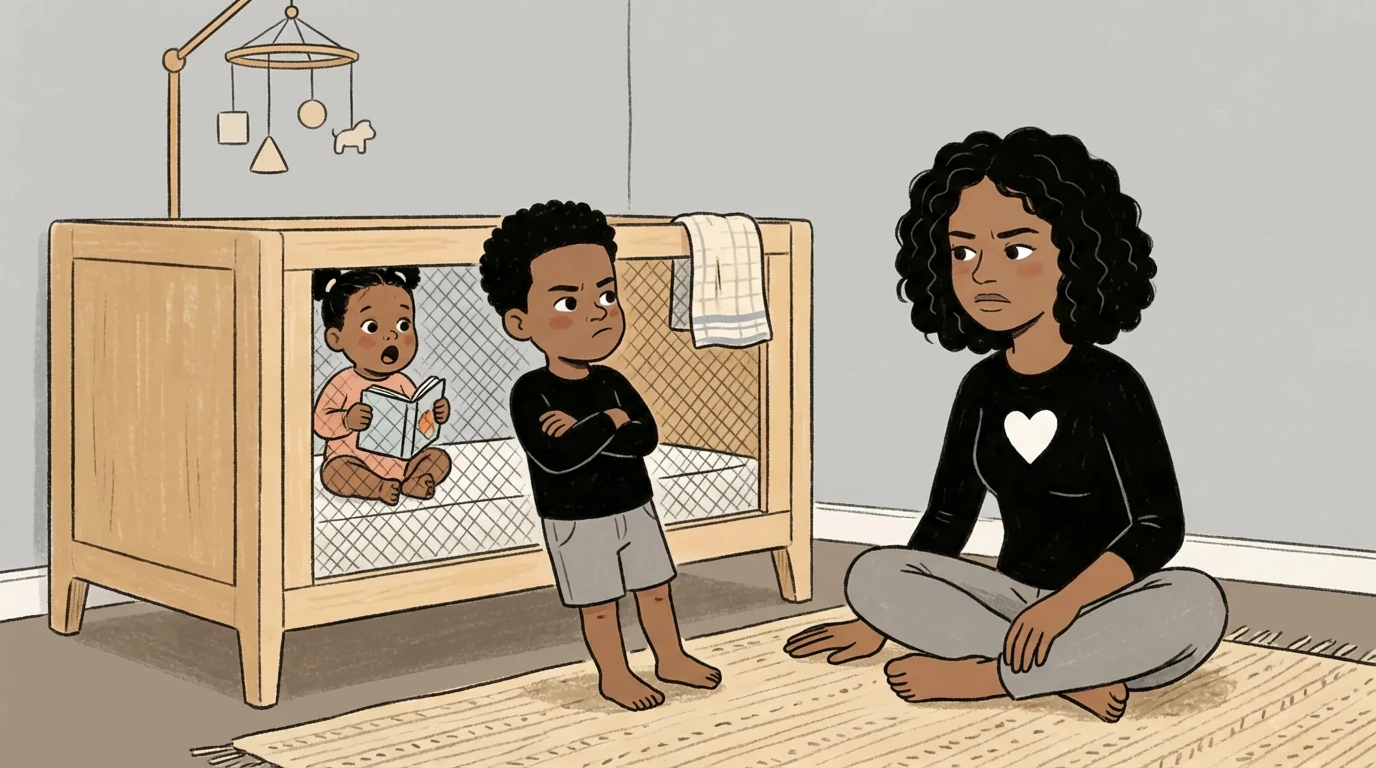
Get to their eye level. Say it once: "I won't let you hurt the baby. Pushing hurts."
Then add: "You must have been really upset to do that." That tells the child you see them as a person with feelings, not a villain. Kids follow limits set by people they trust, and trust requires believing you are on their side even when you stop them.
The feelings underneath the roughness
The roughness is the surface. Underneath it:
- Grief. They had you to themselves. That is over.
- Fear. Maybe you love the baby more.
- Jealousy. The baby gets held constantly, cooed at, praised for doing nothing.
- Rage. At the situation, at the baby, at you for letting this happen.
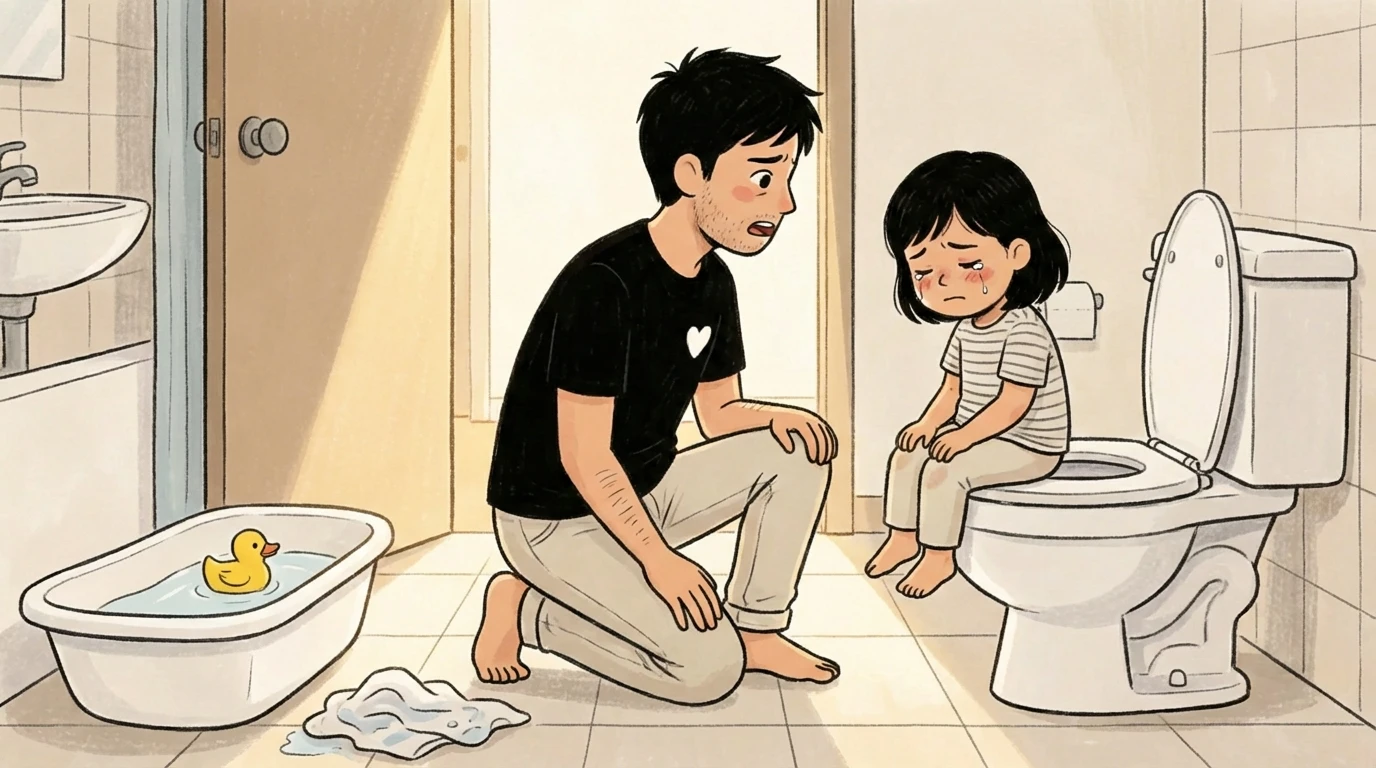
When a child lashes out with a blank expression, they are numbing themselves against feelings so big that the only alternative to shutting down would be falling apart. That blank face should worry you more than anger.
How to help them surface what is driving the behavior
After you set the limit, stay close. Say: "Sometimes you feel so angry at the baby. Sometimes you wish you could have me all to yourself. Lots of kids feel that way."
If the child is not too defended, they will cry. Those tears are the goal. Relief tears, not punishment tears. The feelings that built pressure behind the roughness are finding an exit that does not involve someone else's body.
If they go rigid or glassy-eyed, keep going: "I know. Sometimes you wish the baby wasn't even here. That feeling makes sense, and it's okay to have it."
A child who can say "I hate the baby right now" to a parent who responds without horror is a child who no longer needs to say it with their fists.
Hand swinging at the baby
The Sibling Harmony course will give you the intercept script
You'll block the hit calmly, name what happened, and redirect without shaming or overreacting in front of both kids.
Prevention: filling the tank before it empties
Prevention beats intervention. The single most effective thing you can do is build connection before the roughness starts.
How to reduce roughness toward the baby
- Identify your danger windowTrack for three days when the roughness happens most. Dinner prep, post-daycare, Saturday mornings when you are tired. Once you see the pattern, you have your target.
- Start connection an hour beforeBefore the danger window, get the baby settled or hand them to another adult. Give your older child ten to fifteen minutes of completely undivided physical attention. No phone. No multitasking.
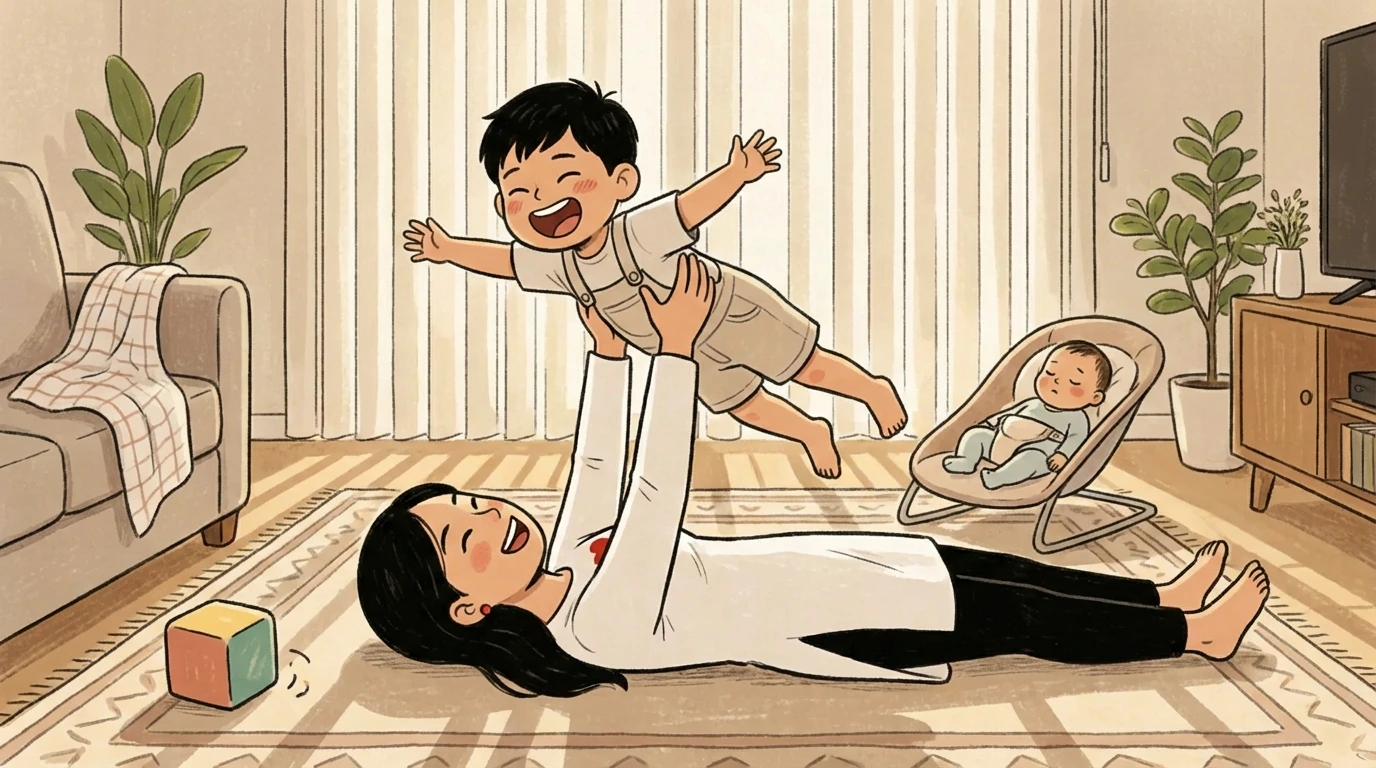
- Get them laughingRoughhouse, chase them, let them tackle you. Real belly laughter releases the stress chemicals that would otherwise come out as aggression toward the baby. It is preventive medicine.
- Slow it down with closenessAfter the wild play, hold them. Read a book. Sit together doing nothing. Physical closeness tells their nervous system they are safe and you are not going anywhere, no matter who else is in the house.
- Build in daily one-on-one timeScheduled time the child can count on is more powerful than random bursts of attention. Even fifteen minutes a day where they choose the activity and you follow their lead fills the tank in a way that lasts.
A child whose emotional tank is full can tolerate sharing you. A child running on empty cannot, regardless of how many times you say "be gentle." Dedicated one-on-one time with the older child is the highest-return investment you can make.
What does not work
Time-outs. Your child already feels like they lost you to the baby. Sending them away confirms it.
Forced apologies. "Say sorry to the baby." The baby is eight months old. Nobody learns anything.
Yelling. Your child already knows hitting is wrong. Yelling tells them you do not understand what they are going through, which makes the next incident more likely.
Mandating love. "You love your brother!" You cannot order a feeling into existence. Guilt shuts down all feelings, including the good ones you need to stay intact.
Leaving them unsupervised as a test. A two-year-old with a baby requires the same level of supervision as a two-year-old near a swimming pool.
The older child who seems fine (and then isn't)
Some children do not show distress for weeks or months. Then, around the six-month mark, when the baby is obviously permanent, the older child starts acting out.
This is delayed grief. The child was holding it together while the early weeks were full of visitors and excitement. Now the daily reality of sharing has settled in. The same approach applies: connection, limits, and space for feelings.
If your child is destroying the baby's things or telling you they hate the baby, those are expressions of the same grief. Let them say it. "You wish the baby was never born." Hearing you say it without flinching gives them permission to feel it without acting on it.
When to worry (and when it's just being three)
Most roughness toward a baby sibling responds to the strategies above. But pay attention if:
- Roughness is escalating despite consistent connection and limits
- Your child hurts the baby while you are watching, not just when your back is turned
- The behavior extends to other children at daycare or in public
- Your child shows zero reaction to the baby's distress after several weeks of consistent effort
In those cases, check in with your pediatrician. There may be sensory or anxiety issues that need professional support.
For most families, the roughness follows a curve. It peaks when the baby becomes mobile, responds to preventive connection, and fades as the older child's brain builds impulse control.

FAQ
Completely normal. Children can feel genuine affection for a sibling and also feel rage, jealousy, and grief about sharing their parents. These feelings coexist. Your toddler pats the baby gently one minute and pushes them the next because both impulses are real. They are just young.
Yes. The baby is more physically vulnerable and needs immediate protection. Comforting the baby also shifts you from reactive anger into a nurturing state, which is where you need to be when you turn to the older child. It is triage, not favoritism.
The blank expression means the child is numbing themselves against overwhelming feelings, not enjoying the aggression. It signals that they have given up on anyone understanding what they feel. This child especially needs your compassion and help surfacing the grief and fear underneath the numbness.
With consistent preventive connection, firm limits, and space for the child to express their feelings, most families see a noticeable reduction in roughness within two to four weeks. The behavior will not vanish completely until the child's prefrontal cortex matures further, but the frequency and intensity drop steadily.
You will lose your temper. Every parent does when they see their baby in danger. When it happens, repair it once you are calm: 'I yelled and that scared you. I was frightened when I saw the baby get hurt.' Modeling accountability after a mistake teaches your child more than never making one would.