TLDR
- Regression is the headline, not the problem. Potty accidents, sleep disruptions, clinginess, and baby talk are your toddler's way of saying 'I'm drowning.' The behavior is communication.
- Jealousy is universal and it's enormous. Think of the worst breakup you've ever had, then multiply by a thousand. That's the emotional scale your toddler is operating on, with none of the coping tools.
- Connection is the only thing that works. Fifteen minutes of daily one-on-one time where the baby is nowhere in sight does more than any discipline strategy.
- Don't push them to be a big kid. Pressuring them to grow up right now backfires. Let them sit in the baby's stroller. Let them drink from a bottle. They'll return to age-appropriate behavior once they feel secure.
- The meltdowns are the healing, not the problem. A child who can rage and cry in your arms is processing their grief. If you shut it down, those feelings go underground and come out as aggression.
The baby comes home and your toddler loses it
You spent months preparing. You read the books about being a big sibling. You practiced with a doll. You told your toddler how exciting it would be.
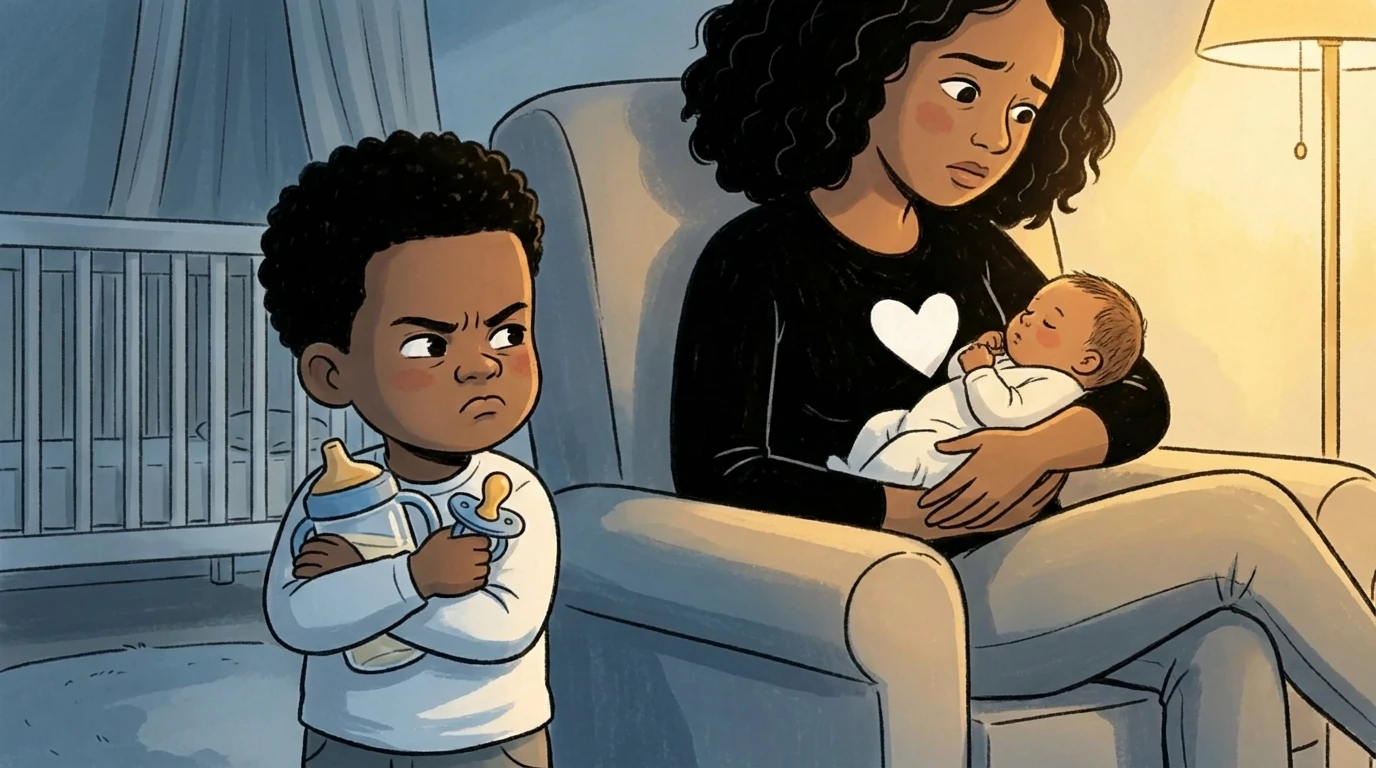
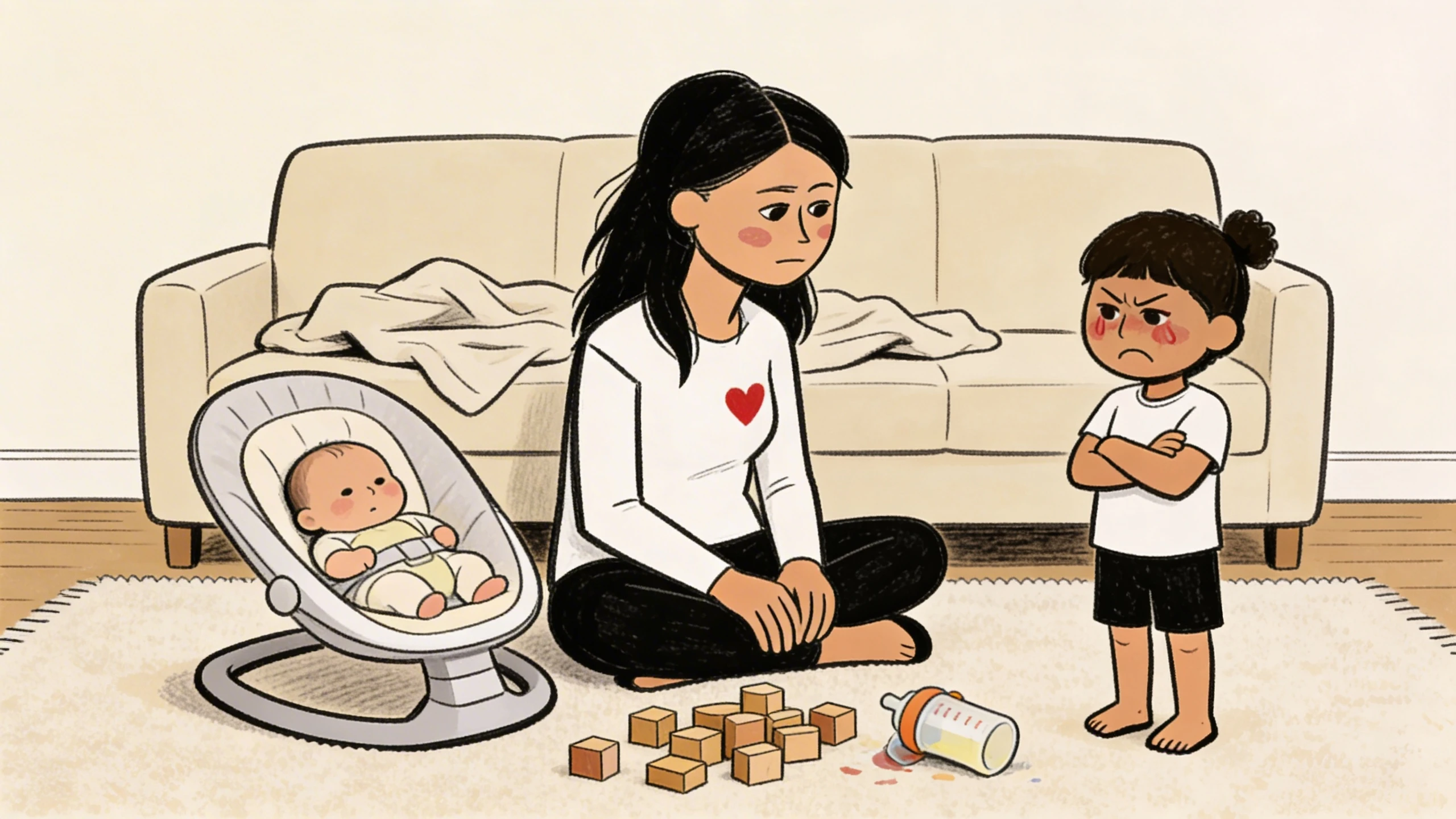
Then the baby arrived, and within a week your previously potty-trained three-year-old is peeing on the floor, screaming at bedtime, and whispering "I don't like that baby" while you're trying to nurse at 2 AM.
Here's what nobody warned you about: your toddler is experiencing something closer to a devastating breakup than a happy family milestone. They had you to themselves. Now a stranger moved in, and that stranger is on your lap all day. The jealousy is universal, it's enormous, and it's completely normal.
Toddler says hate the baby
The Sibling Harmony course will show you how to handle regression
You'll respond to the jealousy and the clinginess without abandoning the newborn or punishing the older child.
Why the regression happens (and why it's not manipulation)
Your toddler is genuinely distressed, and they have about four tools for communicating that distress: crying, clinging, regressing, and melting down.
The grief underneath the behavior
Your child is mourning the loss of their exclusive relationship with you. They can't put that into words because they're two or three and they don't have words for "existential displacement." So the grief comes out sideways.
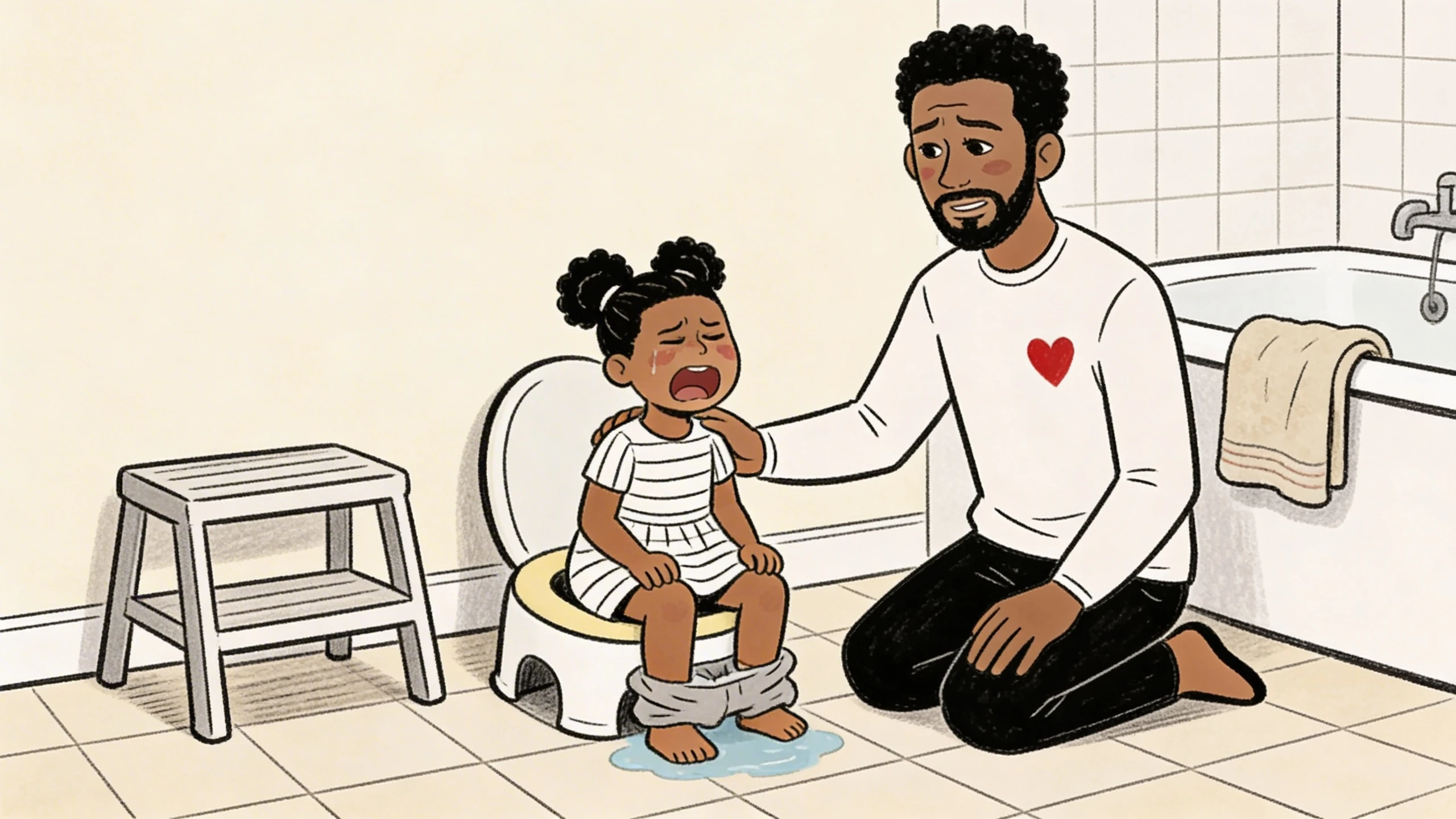
Potty regression is one of the first things to go. Kids control very little in their world, but they control their bodies. When everything else feels out of control, they unconsciously retreat to an earlier stage. Sleep falls apart for the same reason. Bedtime means separation, and separation now feels dangerous because every time they close their eyes, you're out there holding someone else.
The whining, the clinginess, the baby talk, the insistence that only you can pour their milk, change their diaper, put on their shoes: all of it is a child asking the same question over and over. Do you still love me? Am I still yours?
The timeline is longer than you think
Three weeks is barely the beginning. Many kids seem fine at first and then regress harder around the three-to-six-month mark, when it becomes obvious the baby isn't leaving. Some families see a second wave around nine months, when the baby starts crawling into the toddler's space and grabbing their toys.
Two to six weeks is typical for the acute phase. But the full adjustment can take months. If sleep disruptions or behavioral changes persist beyond six to eight weeks, talk to your pediatrician.
What to do (the stuff that works)
How to help your toddler through new-baby adjustment
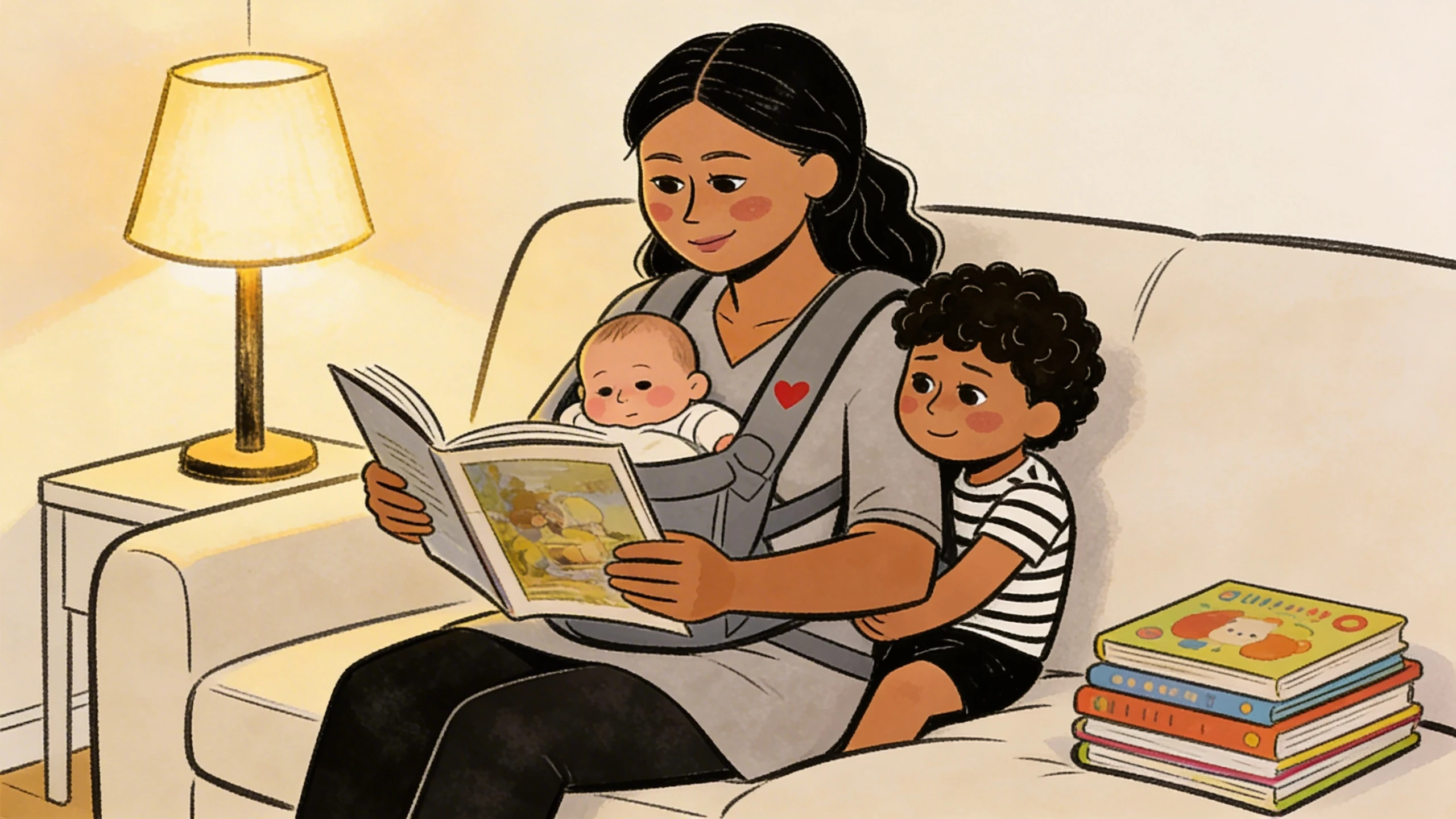
- Give fifteen minutes of daily one-on-one timeNot family time. Not time where the baby is asleep in the next room. Time where it's just you and your older child, doing whatever they want. Read stories, play on the floor, let them talk. This single intervention does more than anything else.
- Let them regress without shameIf they want to be carried like a baby, carry them. If they want a bottle, give them one. Say: 'You want to be my baby right now? You will always be my baby.' Children return to age-appropriate behavior once their dependency needs are met.
- Validate the ugly feelings out loudSay: 'You wish the baby would go away sometimes. That's okay to feel.' Kids who can say 'I hate the baby' out loud are less likely to act on it. The feelings need somewhere to go.
- Hold them through the meltdownsWhen they rage, hold them if they'll let you. Don't try to reason or fix. Let the feelings move through. The tantrum is the processing. A child who can cry in your arms is doing the work of healing.
- Stop saying 'because of the baby'Instead of 'We can't go yet because the baby needs to eat,' say 'We'll head out as soon as my hands are free.' Every time you cite the baby as the reason for a delay, you build resentment toward the baby.
- Make the reunion about themWhen you come home or they come back from school, go to them first. Scoop them up. Make the homecoming about your older child, not the baby. Let someone else hold the infant for two minutes.
The power of proactive reassurance
There's a difference between reassurance your child has to beg for and reassurance you offer first. Think of it this way: if you ask your partner "Do you love me?" and they say yes, you feel a little better. But if they volunteer it unprompted, you feel secure.
Offer the connection before your toddler has to demand it. Grab their milk when you grab the baby's bottle. Invite them onto the couch before they start whining for your lap. When you get ahead of the need, the demanding behavior decreases because the desperation driving it eases.
What not to do
Don't push the "big kid" story. This is the worst possible moment to pressure your toddler into growing up. Don't start potty training. Don't take away the pacifier. Don't praise them only for being a "great helper." They need to know they can still be little.
Don't punish the regression. Scolding a child for potty accidents during a stress period confirms their worst fear: that they're bad, and that being bad is why everything changed. Give extra empathy and forgiveness about everything right now.
Don't force sharing. Your child already has to share their parents. Asking them to also share their toys with the baby is too much. Protect a few things that belong only to them.
Don't interpret the behavior as manipulation. A three-year-old screaming "I hate the baby" is flooded with feelings they can't name, can't control, and can't escape. If you need strategies for managing your own overwhelm while your toddler melts down and the baby cries, that's a separate and equally real problem.
When jealousy goes physical
Your toddler will probably get rough with the baby at some point. Hitting, squeezing, "hugging" too hard. Most of the time this is exploratory, not malicious. They're trying to figure out what this small person is and how to interact with it.
Never leave your toddler unsupervised with the baby. They cannot control jealous impulses at this age. The stakes are too high.
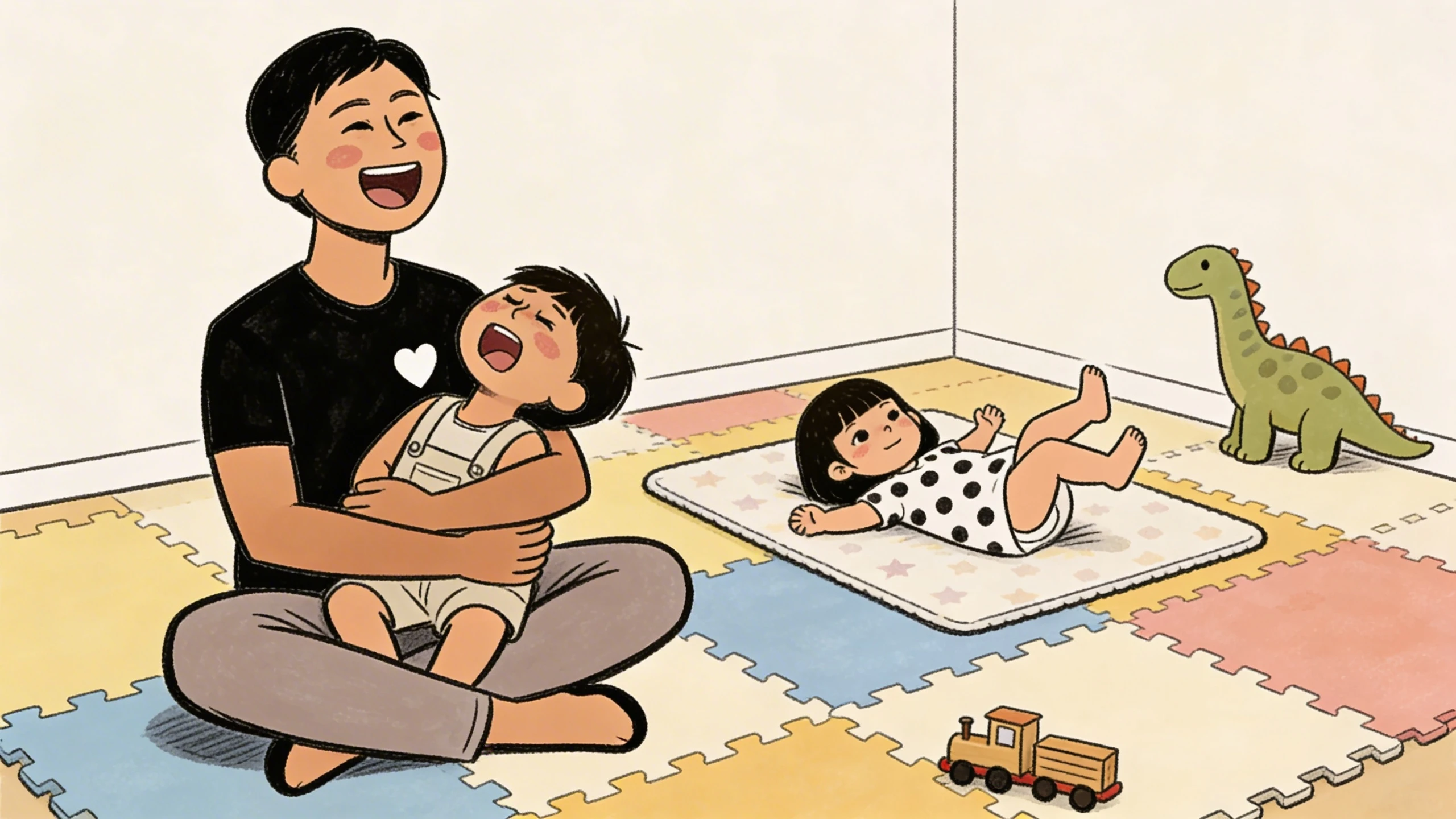
When you see rough behavior, move the baby away without admonishing. Don't lecture. Instead, redirect: "That's too wild for the baby. She's not big like you. But you and I can play rough together. I bet I can make you laugh." Getting your child laughing eases the tension that drove the roughness in the first place.
If jealousy toward the sibling persists and escalates over weeks, pay attention. That's a signal the child needs more connection time, not more correction.
The long game
This period is temporary. Your toddler will adjust. The jealousy won't disappear, but it will shrink as they discover that having a sibling also means having a permanent audience, a co-conspirator, and someone who thinks everything they do is hilarious.
Your job right now is small and hard: make your older child feel so secure in your love that they can afford to let the baby in. That means more laps, more stories, more "you will always be my baby," and a lot of deep breaths while you do it on four hours of sleep.
You don't need to be perfect. You need to keep showing up.
FAQ
The acute phase usually runs two to six weeks. Full adjustment takes longer, sometimes several months. If behavioral changes or sleep disruptions persist beyond six to eight weeks with no improvement, check in with your pediatrician to rule out other factors.
Yes, with supervision. Sit with them and help support the baby's head. Physical closeness between siblings triggers bonding. The more your toddler snuggles the baby (safely), the more protective they tend to become over time.
Don't correct the feeling. Say something like: 'You're really mad about the baby right now. That's okay to feel.' Children who can express jealousy verbally are less likely to act on it physically. The words need somewhere safe to land.
Yes. Extra snuggles, letting them make choices, relaxing on minor rules: none of this creates permanent entitlement. It meets a temporary spike in emotional need. You can tighten things back up once the adjustment period settles. Right now, connection beats compliance.
It doesn't need to be elaborate. Five minutes of floor play, reading one book with full attention, or a silly game in the kitchen counts. The key is that the baby isn't present and your older child has your undivided focus, even briefly.