TLDR
- Regression means they had the skill and lost it. A child who never slept well isn't regressing. True sleep regression means a previously good sleeper is now waking, fighting bedtime, or refusing naps consistently for two or more weeks.
- Three triggers cause most regressions. A new sibling, starting daycare, or moving to a new home. All three strip away the daily predictability your child's brain uses as a safety signal for sleep.
- The bedtime routine is your anchor. Keep the same steps, same order, same time. When everything else shifts, the routine is the one thing your child can still count on. Do not add other changes on top of the transition.
- Connection during the day fixes sleep at night. Kids who feel disconnected from parents during waking hours seek that connection at 2 AM. Ten minutes of focused, physical play before dinner changes the math.
- Two to six weeks is the normal timeline. Sensitive kids take longer. If sleep is still wrecked after eight weeks, talk to your pediatrician. Otherwise, stay consistent and it resolves.
What sleep regression is (and what it is not)
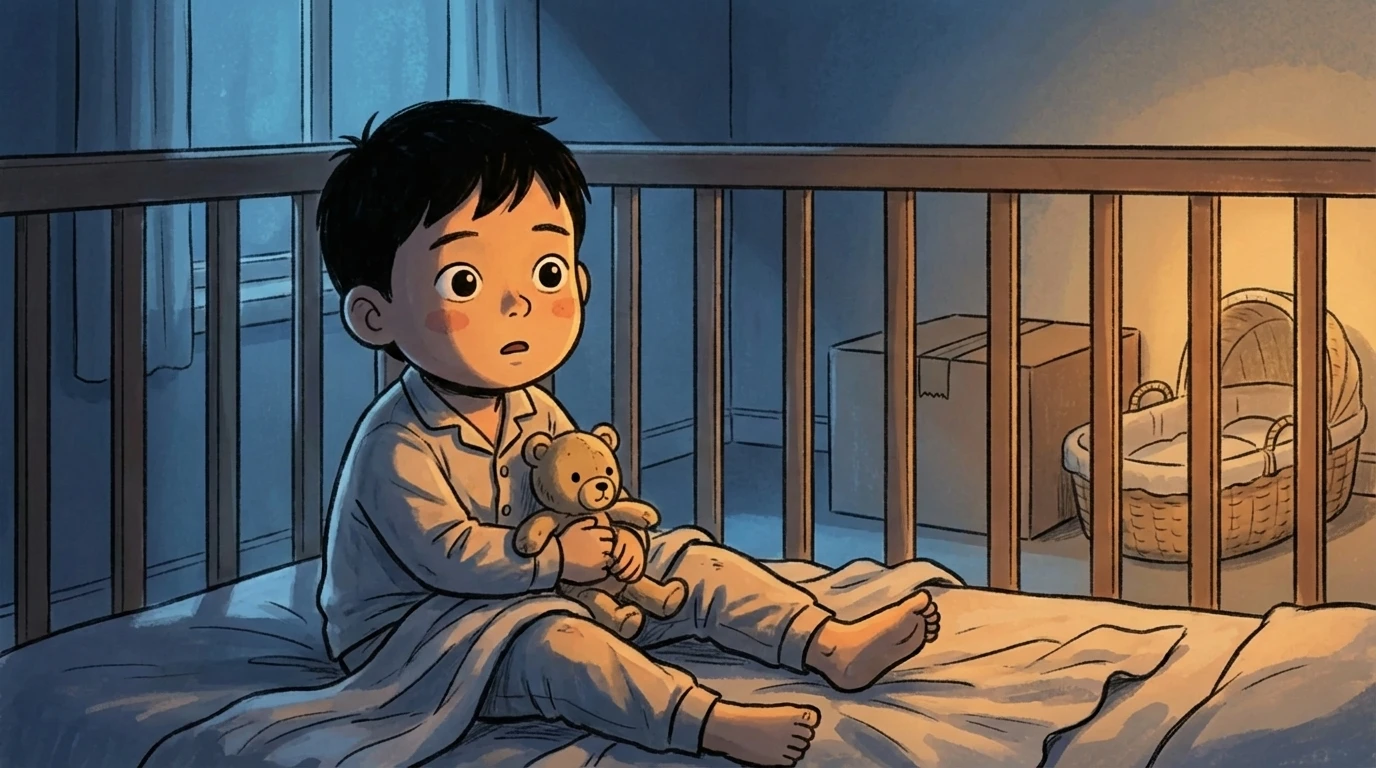
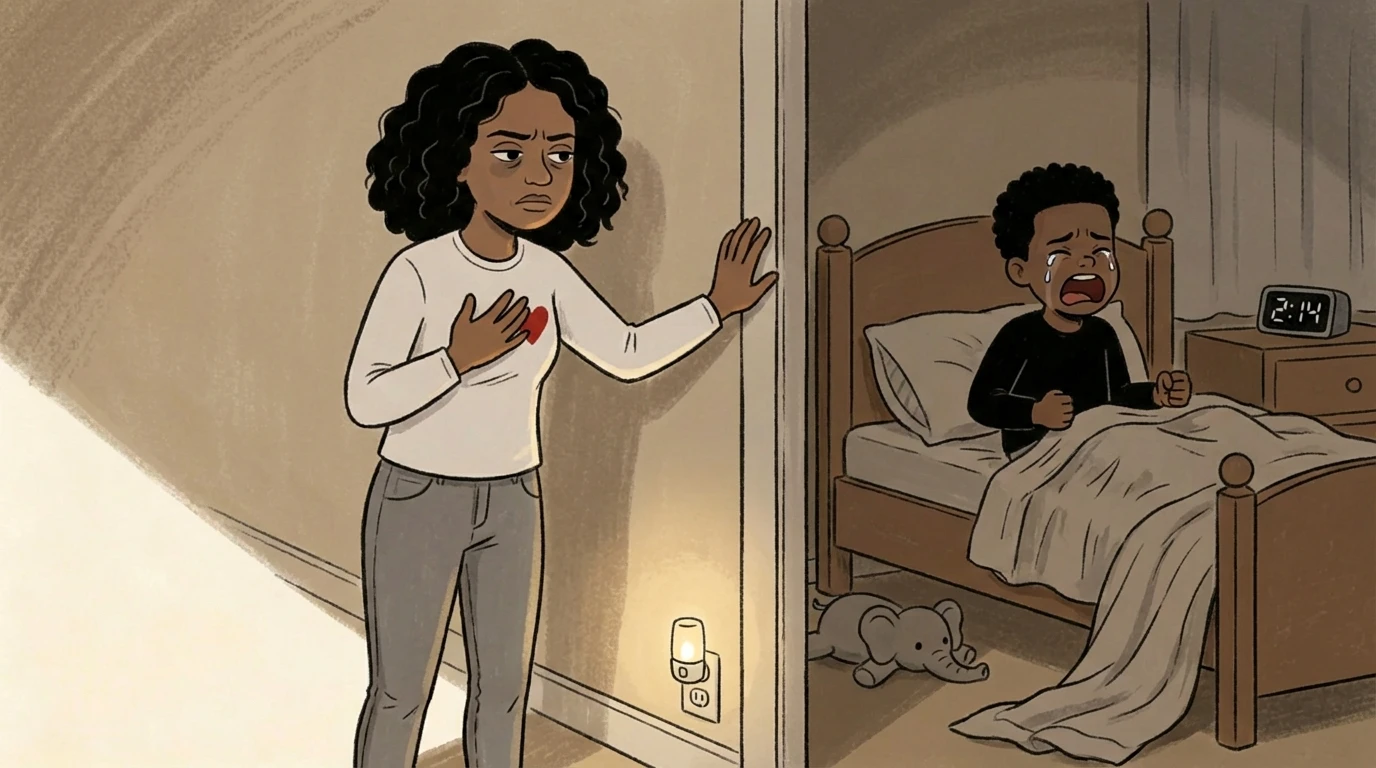
Your kid was sleeping through the night. Then you had another baby, or moved across town, or dropped them at daycare for the first time. Now it is 2 AM and they are screaming like they are nine months old again.
That is a sleep regression. Specifically: a child who previously mastered a sleep skill losing that skill consistently over a period of time. The word "consistently" matters. One bad night after a weird day is not a regression. Two weeks of nightly wake-ups after a major life change is.
Here is where parents get confused. A toddler who always needed to be rocked to sleep and now will not nap at daycare is not regressing. They never had independent sleep skills to lose. That is a sleep struggle, and it needs a different approach.
The distinction matters because the fix for a regression is restoring safety, not teaching a new skill. Your child already knows how to sleep. They temporarily cannot because their nervous system is on high alert.
Why big changes wreck sleep
The safety mechanism
Children's brains run a background process all day: Is my world predictable? Are the people I depend on available? Is this place familiar? When all three answers are yes, the brain relaxes enough to sleep. When any of them flip to no, the brain stays vigilant.
A new baby, a move, or a new daycare flips all three at once. The house smells different, or the schedule shifted, or the person who used to put them to bed is now feeding an infant. The child's brain does exactly what it should: it stays alert. The problem is that "alert" and "asleep" are opposites.
New baby
When a new sibling arrives, your toddler watches the baby get picked up every time it cries. They watch the baby sleep in your room. They watch you disappear for nighttime feedings. From their perspective, sleep means separation from you, and separation now feels dangerous because there is competition for your attention.
Bedtime stalling after a new baby is a connection bid, not a power move. The extra requests for water, another story, one more hug: your kid is trying to extend their time with you because they are not sure they will get enough.
Back to square one
The Sleep Solutions course will show you how to recover fast
You'll rebuild the sleep pattern after disruption in days instead of months, using the same tools that worked before.
Moving to a new home
Adults struggle to sleep the first night in a hotel. Your toddler is dealing with the same thing, except they cannot rationalize it. The adjustment to a new home strips away every sensory anchor: the familiar shadows on the ceiling, the specific creak of the hallway floor, the smell of their pillow in its usual spot.
Starting daycare
Daycare introduces four disruptions simultaneously: overstimulation from a sensory-rich environment, a completely different nap schedule, separation anxiety from being away from you for hours, and developmental leaps that often coincide with the transition age.

The tricky part with daycare is that sleep problems that start within the first two weeks are usually transition-related, but problems that start several weeks after are probably something else. If your kid was fine at daycare for a month and then sleep fell apart, look at developmental leaps, illness, or schedule mismatches before blaming the transition.
How to stabilize sleep during a transition
The framework is two words: consistency and connection. Everything else is a variation on those two.
How to recover sleep after a life change
- Lock down the bedtime routineSame steps, same order, same time, every single night. Bath, pajamas, book, song, lights out. When everything else is chaos, the routine is your child's proof that some things still work the way they used to.
- Do not stack transitionsIf you just had a baby, do not also move your toddler to a big kid bed. If you just moved, do not also start potty training. One massive change at a time. Your child's nervous system has a processing limit.
- Front-load connection during the dayTen minutes of physical, one-on-one play before dinner. Wrestling, tickling, pillow fights. Get them laughing hard. A child whose connection tank is full at 6 PM does not need to refill it at 2 AM.
- Communicate with daycare providersAsk what nap times look like. A toddler who dropped naps at home but takes a 45-minute nap at daycare after lunch will fight bedtime. You may need to adjust bedtime by 30 minutes or ask providers to shorten the nap.
- Respond to night waking without adding crutchesGo to them. Offer a brief touch or a quiet word. Do not start new habits you will need to undo later, like bringing them into your bed if that was not already the arrangement, or offering a bottle they had stopped needing.
- End the routine with a reunion promiseYour last words at bedtime should reference the next time you will see them. 'I will be right here when you wake up. We are having pancakes tomorrow.' This gives them something to look forward to instead of something to dread.
When the regression is really a schedule mismatch
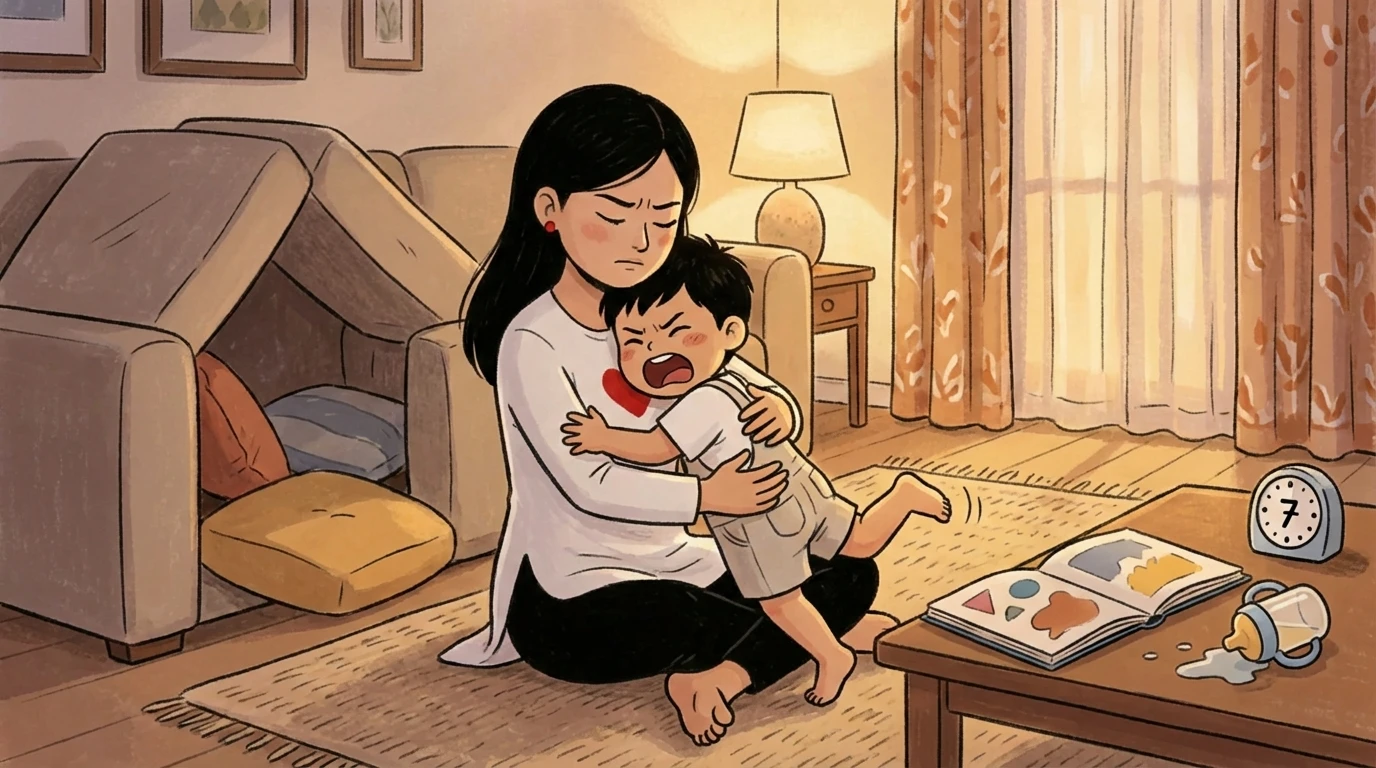
Sometimes what looks like a regression is just a nap problem. If your child started daycare and is suddenly fighting bedtime for two hours, find out what is happening with naps. A toddler who had dropped their afternoon nap but now takes one at daycare has too little sleep pressure at bedtime. The fix is adjusting the schedule, not sleep training.
Push bedtime 30 minutes later. Ask the daycare to cap the nap at 30 minutes instead of letting it run. Track how many total hours of sleep your child gets in 24 hours and work backward from there. When the math adds up, bedtime stops being a fight.
What to do at 2 AM
When your child wakes up crying, you have about 30 seconds before they are fully awake and much harder to resettle. Go to them quickly. Keep the lights off. Use a boring, quiet voice: "You are safe. I am here. Back to sleep."
Do not engage in conversation, turn on lights, or bring them to a new location. You want their brain to stay in sleep mode. The goal is to give them just enough reassurance to slip back under.
If night waking becomes the primary pattern, you may need to examine what is happening at bedtime. Children who fall asleep under one set of conditions (you lying next to them, for example) wake up confused when those conditions change mid-sleep-cycle. Fix bedtime and the 2 AM problem often fixes itself.
How long this lasts
Most sleep regressions resolve in two to six weeks with consistent handling. The timeline depends on your child's temperament and the size of the disruption.
Kids with mild temperaments who had solid sleep habits before tend to bounce back in two weeks. Sensitive kids who needed more support even before the transition can take the full six weeks, especially if a developmental leap is happening at the same time.
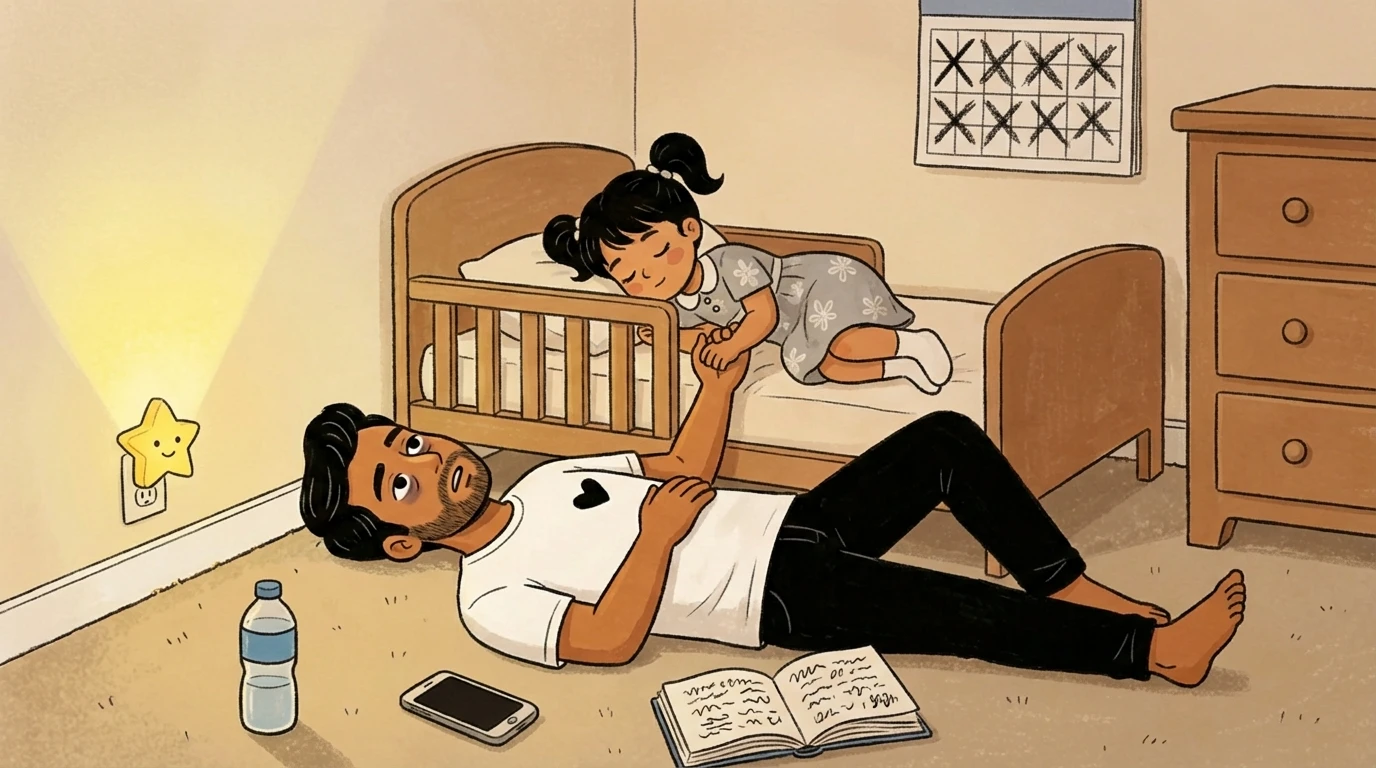
If sleep is still wrecked after eight weeks, talk to your pediatrician. At that point you are looking at a developmental factor, a medical issue (allergies, reflux, sleep apnea), or a pattern that solidified into a new habit needing targeted support.
The hardest part nobody warns you about
The regression will feel personal. You will lie in the dark at 3 AM thinking you broke something. You did not. Your child's brain is doing exactly what brains do when the world gets rearranged: it checks in more frequently to make sure the important things are still there.
You are the important thing. The waking, the crying, the crawling into your bed: those are your child confirming that you still show up. The regression is temporary. The trust you build by showing up lasts.
FAQ
No. Regressions are driven by a disrupted sense of safety. Leaving a child to cry when they already feel insecure deepens the insecurity and can make the regression last longer. Go to them, keep it brief and boring, and stay consistent. They need to know you still come when they call.
Three months is beyond the typical window. At this point the pattern may have become a habit rather than a regression. Talk to your pediatrician to rule out medical causes, then consider whether new sleep associations formed during the regression that now need to be gradually unwound.
Try not to. Stacking transitions compounds the disruption. If you need the crib, make the bed switch at least two months before the baby arrives so your toddler has time to settle into the new sleep setup before everything else changes.
Daycare provides peer pressure, a structured schedule, and sensory consistency that home does not replicate. Your child also saves their big feelings for you because you are the safe person. Keep your bedtime routine tight, and do not assume the daycare environment means the problem is something you are doing wrong.