
1
Why kids fight bedtime: 5 common reasons for bedtime battles

Overtiredness, screens, control, separation anxiety, or fear of the dark. Spot which one is driving tonight's resistance and get the targeted fix.

Last updated

2
Bedtime routines that work (by age)
The steps that calmed your 2-year-old will backfire at 5. Match each stage's sleep pressure and emotional needs, then rebuild when the plan stalls.

Last updated

3
When your child takes hours to fall asleep: What's going on and how to help

Silly and wired means undertired. Clingy and melting down means overtired. One schedule tweak fixes each, plus a physical wind-down trick for both.

Last updated

4
Bedtime fears: Why kids get scared at night and how to help (without monster spray)

Checking closets and offering reassurance confirms the threat is real. 3 routine changes that help your child feel safe and fall asleep on their own.

Last updated

5
Separation anxiety at bedtime: Why it happens and what to do

A worn shirt, a heart on their hand, a photo on the nightstand. The connection bridge technique gives your child physical proof you're coming back.

Last updated

6
Nightmares vs. night terrors: The difference matters

One wakes your child up crying; the other keeps them asleep while screaming. Why each needs the opposite response, with age-specific steps for both.

Last updated

7
My child won't sleep through the night: Solutions for night waking

Your child's brain checks for safety between cycles and panics when conditions change. Fix the bedtime setup and those 2 AM calls disappear within weeks.

Last updated

8
Toddler wakes up too early: How to push morning wake time
Your child's cortisol spikes from overtiredness, not extra sleep. Move bedtime up, add blackout curtains, and try an ok-to-wake clock in 5-minute steps.

Last updated

9
Crib to toddler bed: Making the transition (and getting them to stay)

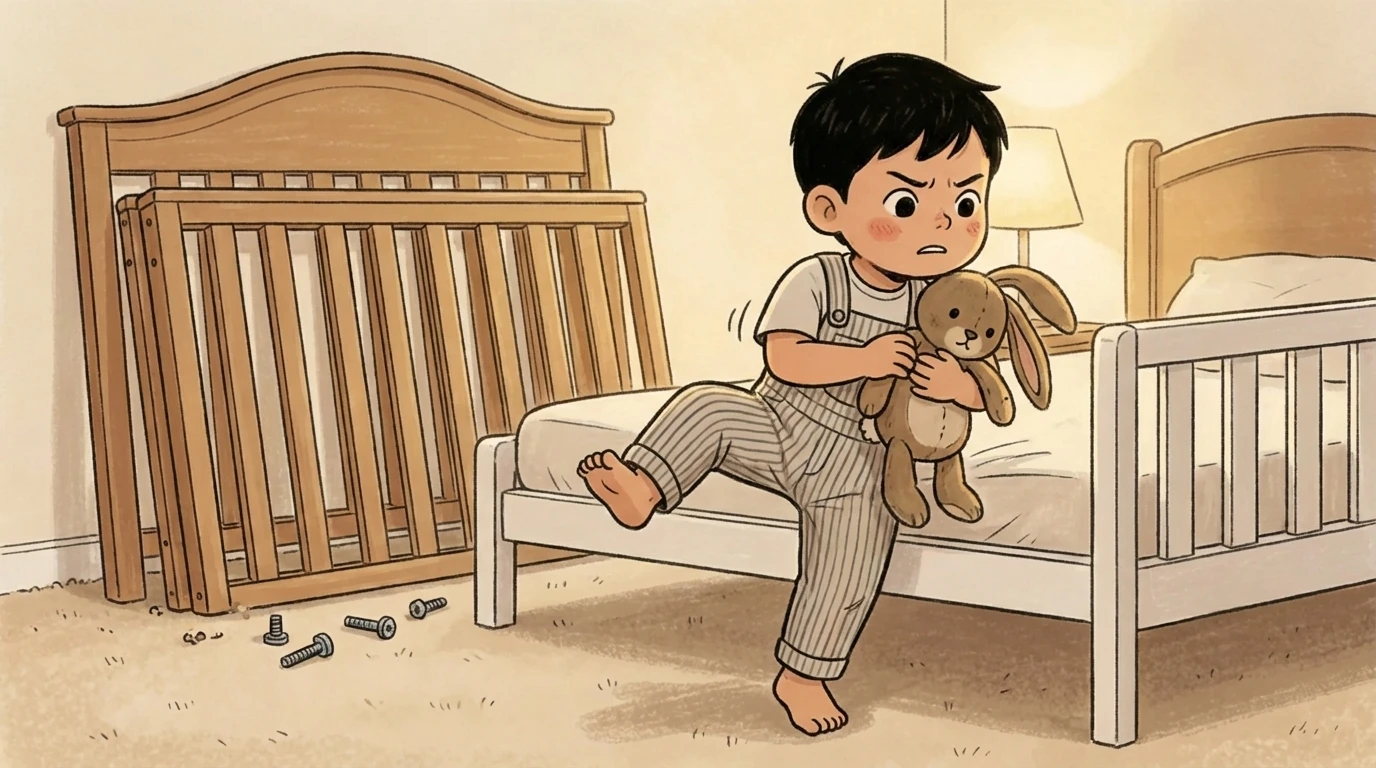
Readiness signs for ages 18 months to 3 years, a gradual 1-to-4-week plan, and the cozy-cave setup trick that ends midnight escapes for good.

Last updated

10
How to help your baby sleep without cry-it-out

A gradual fade plan: break the nursing-to-sleep link first, then reduce rocking, then leave the room. Most families see progress within two weeks.

Last updated

11
Sleep regression after a new baby, a move, or starting daycare

Your child lost their sense of predictability. Three fixes: more connection during the day, a boring bedtime routine, and two to six weeks of patience.

Last updated

12
Parent preference at bedtime: When your child only wants parent (or daddy)
Use a turn-taking chart, prep your kid in advance, and give the other adult a unique, playful routine. Most families break the cycle in 2-3 weeks.

Last updated

Free Download

Get Your Bedtime Routine Visual Schedule

Enter your email and we'll send Bedtime Routine Visual Schedule straight to your inbox — free, instant, no strings attached.