TLDR
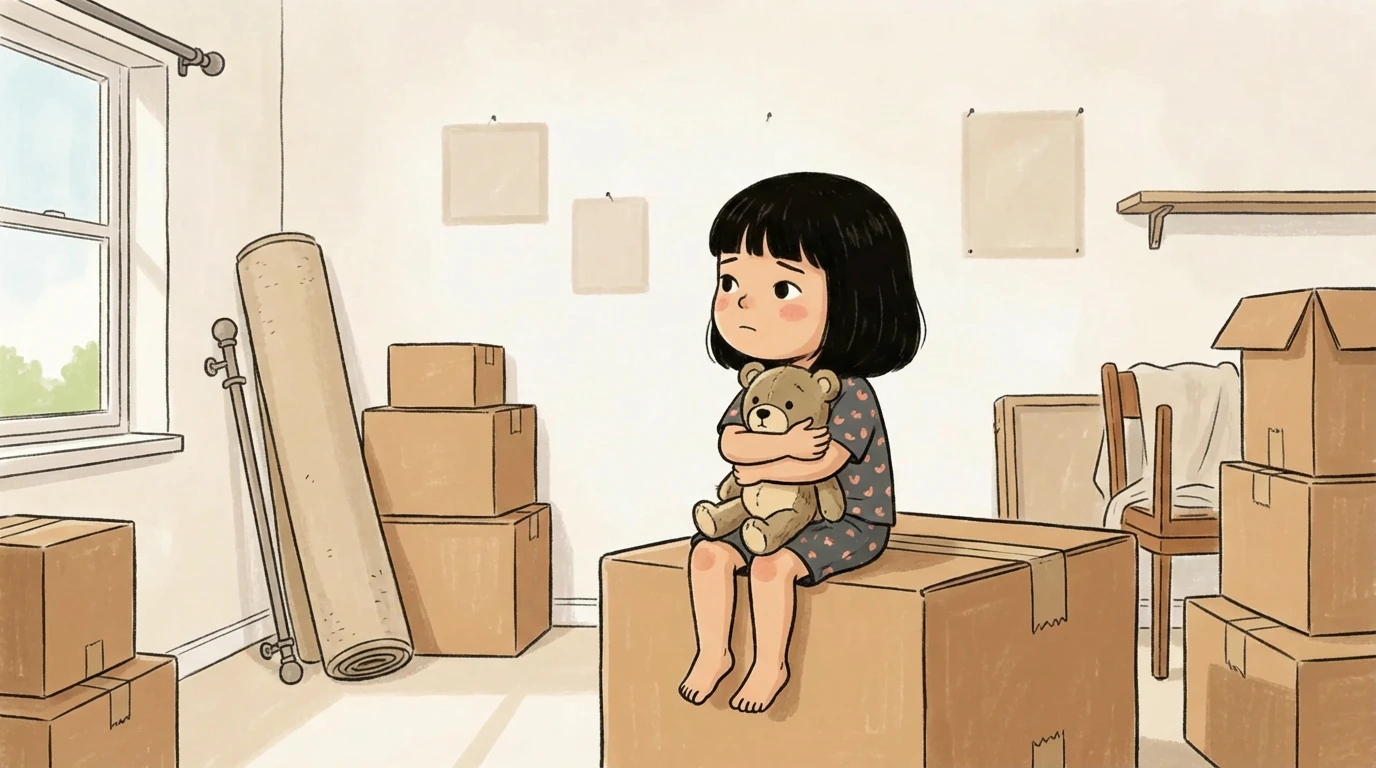
- Children grieve moves the way adults grieve breakups. They're losing friends, routines, and the only bedroom they've ever known. That sadness is healthy and needs space, not a sales pitch about the new place.
- Familiarity is the antidote to anxiety. Visit the new school, tour the playground, meet the teacher. Every point of contact before the first day reduces fear.
- Their room is their island. Set it up before you unpack a single kitchen box. One familiar, finished space in a house of chaos changes everything.
- Routines are the only thing that should not change. Same bedtime, same stories, same breakfast. The internal family rhythm becomes the anchor when the external world shifts.
- Old friendships need parental logistics. Kids can't maintain long-distance friendships on their own. Set up video calls, mail letters, play online games together. Let the fade happen gradually.
The thing nobody tells you about moving with kids
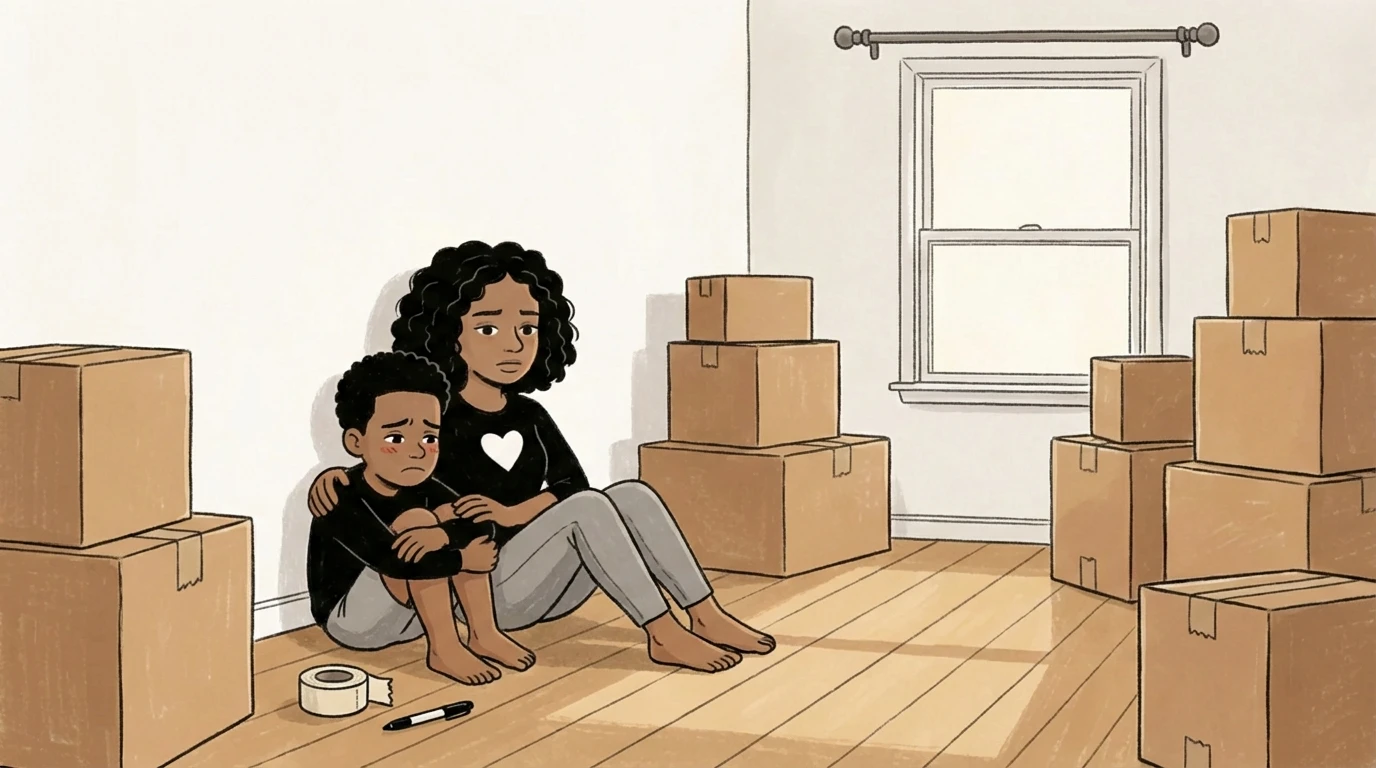
You researched the neighborhood, compared school ratings, found a house with a backyard. And your seven-year-old is sobbing because she won't see the crack in the sidewalk where she found that special rock last spring.
Kids don't care about your spreadsheet. They care about the crack in the sidewalk. The neighbor's dog. The way light comes through their bedroom window at bedtime. A move destroys the entire sensory world your child has built their safety around. Every smell, sound, and memorized route, gone.
Adults chose this. Kids got dragged along. That asymmetry should shape every conversation about the move.
Why kids react the way they do
The behavioral fallout looks different by age. Your four-year-old gets clingy. Your seven-year-old announces you've ruined everything. Your toddler simply starts waking up at 2 AM again after months of sleeping through.
What's underneath all of it: routine is how children experience safety. When daily patterns stay consistent, the nervous system reads the world as predictable. A move detonates every pattern at once. New bedroom, new sounds at night, new route to the store, different light, different smells. The brain reads this disruption as a threat, and the response shows up as clinginess, anger, regression, or sleep problems.
The fears you won't guess
Ask your child what worries them about the move and brace yourself. Their fears are rarely what you'd predict.
Some kids worry the family will split up. Some worry they'll be left behind. One child refused to sleep anywhere except on the floor next to his mother's bed, terrified she'd leave without him in the night. You won't know what they're scared of unless you ask, and you won't get an honest answer unless you've made it safe to say irrational things out loud.
Clinging in the new school parking lot
The Life Transitions course will show you the settling-in sequence
Morning drop-offs get easier within weeks when you build the adjustment routine before the first day.
Preparation that works (and the kind that doesn't)
Telling your child "it'll be great, you'll love it" is dismissal wearing a cheerful hat.
Real preparation has two parts: making the unknown known, and honoring what's being lost. You need both. Skip the first and your child walks into the new school terrified. Skip the second and the grief goes underground, emerging later as separation anxiety or unexplained meltdowns.
Making the unknown known
Visit the new place if you can. Walk through the house. Check out the playground at the new school. Find the library. Every concrete detail replaces a blank space in your child's imagination with something real, and real is always less scary than imagined.
If you can't visit, photos and video work at a distance. Take a video tour of the new house. Screenshot the school's playground from their website. Show your child the map and trace the route you'll drive together.
The photo technique borrowed from daycare transitions works here too. If you can find a picture of the new teacher, put it on your fridge and talk to it warmly: "Ms. Garcia, wait till you see how fast my kid can read." It sounds absurd. It works because familiarity breeds comfort, even when the familiarity is manufactured.

The moving book
This is the single most effective preparation tool and it costs nothing. Take photos of your current home, your child's favorite spots, their friends. Add photos of the new place, the new school, the local park.
Glue them onto paper. Add captions in your child's words: "I love this playground because it has the best swings." Include a page that says "a family always moves together." End with something to look forward to: the bakery near the new house, the climbing structure at the school, painting their new room whatever color they choose.
Read it together constantly. Add pages as new worries or excitements come up. It becomes a bridge your child can hold while crossing from old life to new.
Honoring the grief (this is the part parents skip)
The instinct is to redirect the sadness. Point out the great new backyard. But children who aren't allowed to grieve what they're leaving take longer to attach to what's coming. Suppressed grief doesn't disappear. It shows up as anxiety, sleep disruption, and meltdowns during daily transitions that seem out of proportion to the trigger.
Give the grief room. Take your child to say goodbye to favorite spots. Photograph everything. Write thank-you letters to people who mattered. At dinner, let everyone share something they'll miss and something they're looking forward to.
Walk through the empty house together before you leave and say goodbye to each room. Your child is closing a chapter, and they need a ritual to mark it.
Missing friends is the hardest part, and there's no shortcut. You can't promise equivalent replacements. What you can do is maintain connections: video calls, online games together, letters, photos sent back and forth. Kids can't manage long-distance friendships alone. You'll need to be the logistics department for a while.
The first week: what to do when you arrive
You're exhausted, the house is boxes, and your child is standing in the middle of it looking lost.
Set up their room first
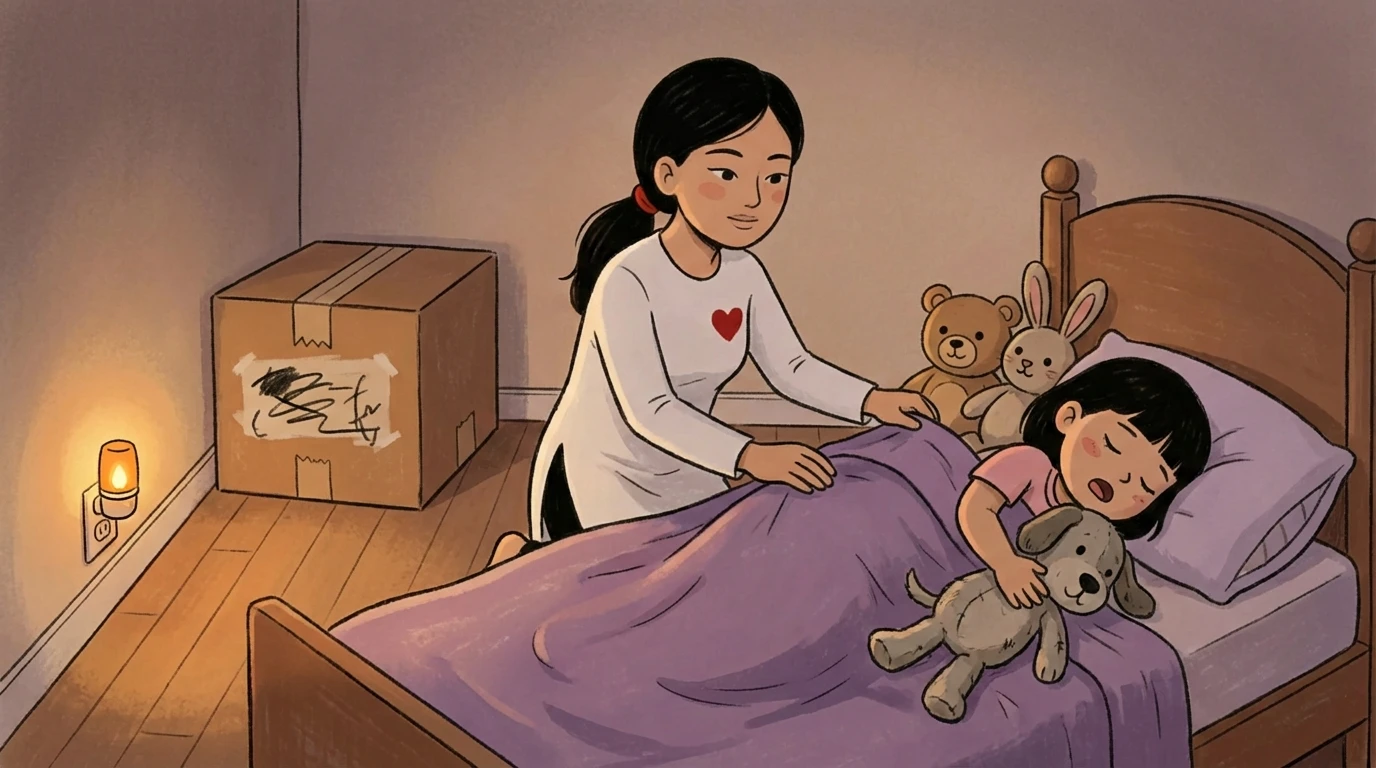
Mark your kids' boxes so they come off the truck first. Close the door and unpack their room completely before you touch anything else. Bed, blankets, stuffed animals, books, nightlight. One finished, familiar space in a house of chaos is the difference between a child who explores with curiosity and one who falls apart every evening.
The rest of the house can wait. Order takeout. Your child having their own bed, with their blanket that smells like home, matters more than the kitchen.
Keep routines aggressively consistent
Same bedtime. Same bedtime story. Same breakfast. Same goodbye ritual if they're starting a new school and making friends right away. When every external landmark has changed, internal family rhythms are your child's only orientation. If you abandon routines during a move, you're pulling the last rug out from under them.
This means going to bed on time yourself, too. Exhausted parents snap. Snapping at a child already processing grief and fear damages the connection they need most.
Get into the community immediately
Take a break from unpacking every day and take the kids out. The playground. The library. The pizza place. Every positive experience in the new place lays down a memory that competes with nostalgia for the old one.
If your child is approaching kindergarten age, arranging a pre-start visit to the school and meeting the teacher before the first day makes a measurable difference in how the adjustment goes.
How to prepare your child for a family move
- Tell them early and simplyGive kids time to process. Explain what's happening in age-appropriate terms, and let their reaction be whatever it is. Don't oversell the positives yet.
- Build a moving book togetherCreate a photo book with pictures of your current home, friends, and favorite spots, then add images of the new place. Read it together often. It becomes a bridge between old and new.
- Preview the new environmentVisit the new home, school playground, and neighborhood if possible. If not, use photos and video calls. Familiarity with the physical space reduces anxiety about the unknown.
- Let them grieve what they're leavingSay goodbye to favorite spots. Take photos with friends. Write letters. The grief is real and honoring it makes the adjustment faster, not slower.
- Set up their room firstMark their boxes so they come off the truck first. Get their bed, blankets, and familiar objects in place before anything else. One calm, known space in a chaotic new house makes everything else bearable.
- Keep routines ruthlessly intactSame bedtime. Same breakfast. Same goodbye ritual. When everything outside the family changes, the internal rhythms become the anchor your child clings to.
Giving kids control when they had no choice
Your child didn't choose this move. Every decision was made above their head. That powerlessness compounds the grief, so give them every scrap of agency you can.
Let them pick the color for their new room. Let them choose where furniture goes. Give older kids a small decorating budget. Let them decorate their moving boxes. If they're old enough, let them read the map during the drive.
One word of caution about decluttering. A move feels like the perfect time to purge old toys, but forcing your child to give things away right now compounds the loss. Offer the opportunity without pressure: "Here's a box for things you want to keep and a bag for things you're done with." Model the process yourself. Don't force it.

The long view
Moves are hard on families. There's no hack that eliminates the grief or fast-forwards the adjustment. But children are remarkably good at setting down new roots when they've been allowed to feel sad, when the new place has been previewed rather than sprung on them, and when the people they trust most are steady through the chaos.
In a year, your kid will have a new crack in a new sidewalk where they found a new special rock. Your job between now and then is to hold the space for both the loss and the possibility.
FAQ
Most children begin settling in within two to four weeks, though highly sensitive kids can take two months or more. If your child is still visibly struggling after three months, that's a signal to seek professional help. The adjustment timeline depends heavily on temperament and how much preparation happened before the move.
There is no perfect age for a move. Toddlers may regress temporarily but adapt quickly. School-age children feel the social loss most acutely. Teenagers have the hardest time leaving established friendships. What matters more than timing is how you handle the transition: gradual preparation, honest conversations, and consistent routines make every age manageable.
Let them be angry. They didn't choose this. Validate the feeling without defending the decision: 'You're mad because you didn't want to leave, and that makes sense.' Once they feel heard, the anger typically softens into sadness, which is easier for both of you to sit with. Don't argue them out of it.
Arrange low-pressure social situations before school starts. Ask the school to connect you with other new families. Set up a playdate with a classmate, or invite a neighbor's family for pizza. Kids bond faster through shared activity than formal introductions. A library story hour or sports league can do more than any pep talk.