TLDR
- The real fight is about your love, not the toy. When a sibling arrives, the older child fears replacement. The anger you see is a defense against a deeper terror: that they are not enough. The toy dispute is just the surface.
- Young brains cannot handle conflict peacefully yet. The prefrontal cortex, responsible for impulse control and perspective-taking, is not fully online until the mid-twenties. Kids under five are working with hardware that cannot do what you are asking.
- Siblings fight more when stressed about something else. A child who picks a fight at breakfast may be anxious about school, overtired, or still upset about yesterday. Siblings feel safe, which makes them the easiest target for displaced stress.
- Some conflict builds skills. Siblings who fight but also have plenty of positive interactions develop better negotiation and empathy than only children or siblings who simply avoid each other.
- Punishment makes sibling fighting worse, not better. Timeouts and taking sides create resentment, role-casting, and more aggression. Addressing feelings underneath the behavior is what reduces the fighting long-term.

The real reason they are fighting
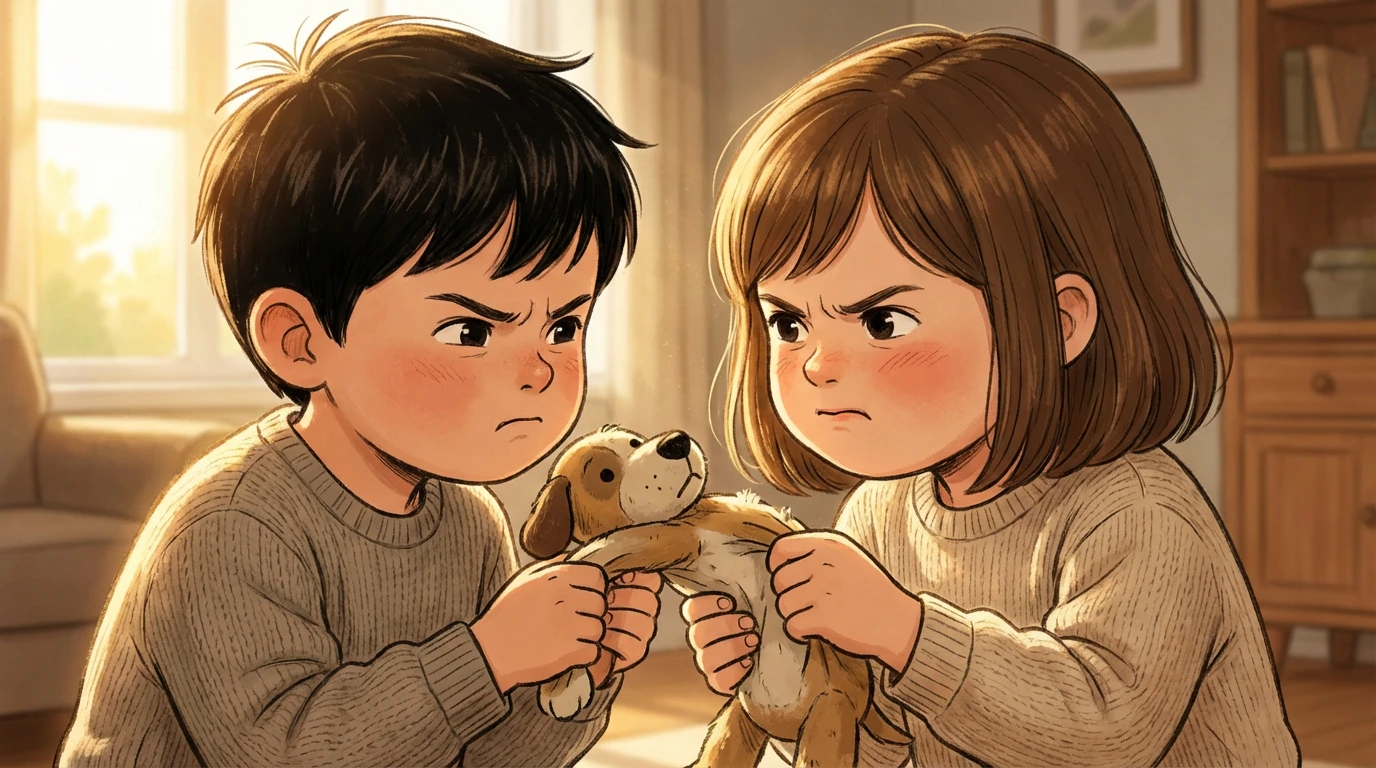
You think the fight is about the blue cup. It is about the blue cup the way a bar fight is about a spilled drink. The cup is the excuse. The fight is about something older and deeper.
When a second child arrives, the first child's world fractures. Dr. Laura Markham uses an analogy that lands like a truck: imagine your partner brings home a second spouse, tells you they loved you so much they wanted another one, and expects you to be thrilled. That is roughly what your older child experiences. They are devastated and terrified that they have been replaced.
The crisis does not start at birth. It starts when the younger child begins walking, talking, and grabbing things. A baby who sits in a bouncer is not a threat. A toddler who can take your toys and demand attention is a different story. That is when the older child realizes this new person is permanent and competitive.
Underneath every sibling fight, there is a question the child cannot articulate: Am I still enough for you?
Same toy, third fight today
The Sibling Harmony course will show you which fights matter
You'll finally know when to step in and when the conflict is building a skill they need.
Their brains are not built for this yet
Even without the jealousy, young children would still fight. The prefrontal cortex handles impulse control, perspective-taking, and emotional regulation. It is the last part of the brain to develop and will not be fully functional for another two decades. You are asking a three-year-old to share, take turns, see another person's point of view, and manage frustration. That is like asking someone to run a marathon with one leg.
A toddler who hits a sibling is being a toddler, plain and simple. Their brain detected a threat (someone touching their blocks), the amygdala fired, and their body responded before the thinking brain could intervene. Understanding this does not make the hitting acceptable, but it changes what you do about it.
The double standard trap
Parents naturally think: The two-year-old hits because she does not know better. But the four-year-old should know better. The four-year-old notices this double standard immediately. Rules that only apply to the older child create a permanent chip on the shoulder and convince the older kid that you love the younger one more. Rules must apply to everyone in the house, even if one child is too young to follow them consistently.

Five real reasons siblings go at each other
Not every fight is about jealousy. Knowing what is driving the conflict changes how you respond.
Conflicting needs
One child wants to build in silence. The other wants to play together. Both needs are legitimate, and neither child has the skills to negotiate a compromise. They need you to coach them through it, not pick a winner.
Displaced stress
Children take out their stress on siblings because siblings feel safe. A child will not lash out at a teacher when nervous, but a brother sitting nearby is an easy target. The child who starts a fight before school may be anxious about a test, still mad about yesterday's argument, or just exhausted.
Boredom and pestering
One sibling is bored and starts poking the other for entertainment. The pestering child wants connection but does not know how to ask. The annoyed child responds with increasing hostility. Both are doing something reasonable from their own perspective.
Power and status
Kids compete for dominance: who is first through the door, who gets the front seat, who is strongest. This is normal developmental behavior, and it needs guidance rather than suppression. Channel the competitive drive into appropriate outlets instead of trying to squash it.
Unfairness (real or perceived)
Jealousy about perceived unfairness is a constant undercurrent. One child got a bigger piece of cake. The other got to stay up later. Even when you have been scrupulously fair, a child who feels insecure will find evidence of favoritism everywhere.
What makes it worse (and most parents do these things)
Here is the uncomfortable part. Some standard parenting moves make sibling fighting worse.
Taking sides. The moment you declare a winner and a loser, you have created permanent roles. The "bad kid" develops a chip on their shoulder. The "victim" learns that crying gets results and may start provoking fights to get the parent to prove they love them more. Coach both children instead of judging.
Comparing. Even positive comparisons poison the well. "Why can't you sit nicely like your sister?" teaches your child that your love is conditional on outperforming the sibling. Appreciate each child for who they specifically are, without referencing the other.
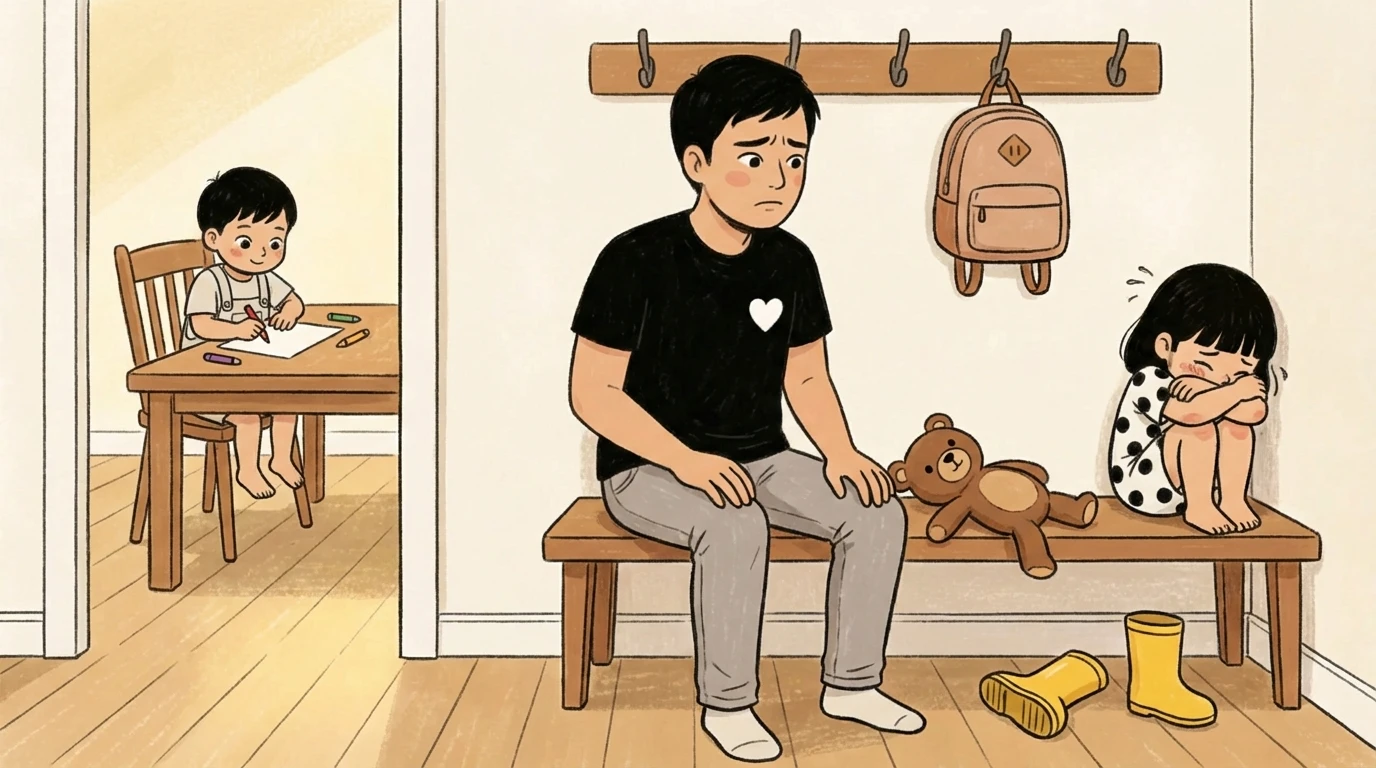
Punishing without addressing feelings. Timeouts tell a child: you are on your own with these overwhelming emotions. Research from the National Institute of Mental Health found that children disciplined with timeouts misbehaved more, not less. The children were reacting to the perceived love withdrawal by acting out further.
How to respond when siblings fight
- Calm yourself firstTake a breath before you intervene. Your emotional state sets the ceiling for the interaction. An angry parent cannot create calm children. Remind yourself: there is no emergency.
- Acknowledge both sidesEach child needs to feel heard before they can calm down. Say what you see: 'You wanted the truck, and he took it. That made you angry.' Do not decide who was right.
- Name the feeling underneathGo below the surface behavior. 'Sometimes you wish you could have me all to yourself.' When a child hears the real feeling spoken out loud, the need to act it out shrinks.
- Set the limit without role-castingState the house rule as universal: 'We do not hit in this house, no matter how mad we are.' Avoid making one child the villain and the other the victim.
- Teach the replacement behaviorGive them words they can use next time: 'Tell your brother: I was using that. No grabbing.' Repeat the same script dozens of times until it becomes automatic.
- Let them practice resolving itAs kids get older, step back: 'You two are good problem solvers. I know you can figure this out. I will be right here if you need me.'
When the fighting is doing something good
This is the part nobody tells you. Some sibling conflict is productive. Siblings who fight but also have plenty of positive interactions develop better negotiation skills, stronger empathy, and more resilience than children who grow up without conflict practice.
The research is clear: siblings who fight often but share good moments end up closer as adults than siblings who simply avoided each other. The absence of positive interactions kills the relationship, not the fighting itself.
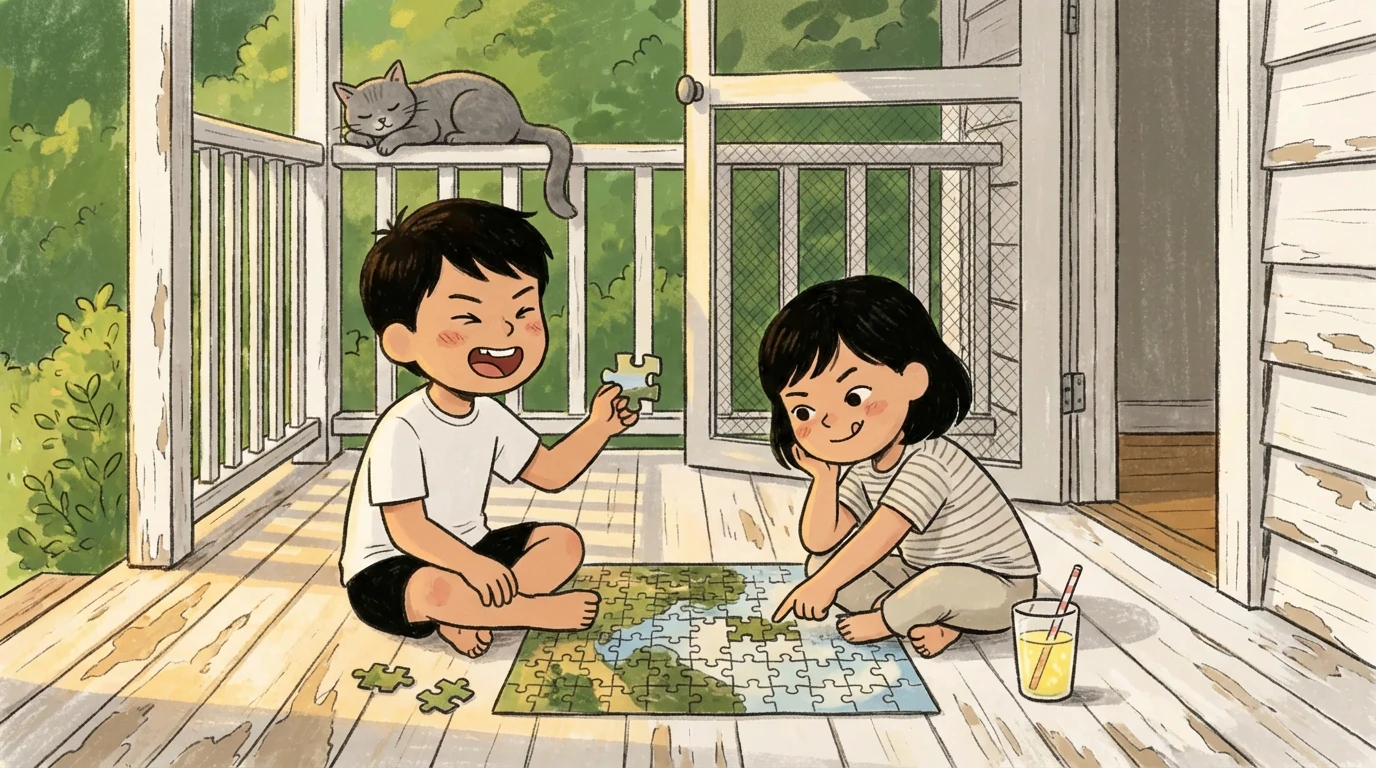
Your job is to make sure the ratio tips toward connection, not to eliminate conflict. Aim for five positive interactions for every negative one. A shared laugh counts. A collaborative game counts. A high-five on the way out the door counts.
The long game
Sibling rivalry never fully disappears. By adolescence it transforms into teasing instead of hitting. By adulthood, in families where parents addressed the feelings instead of just the behavior, it often becomes an inside joke.
The siblings who grow up close are the ones whose parents made each child feel irreplaceably loved, taught them the words for their feelings, and refused to cast anyone as the permanent villain.
You will not get this right every day. You do not need to. You just need to keep showing up.
FAQ
Yes. Young children do not have the vocabulary to express complicated feelings like jealousy, fear of replacement, or frustration with sharing parental attention. 'I hate you' is their shorthand for 'I am overwhelmed and I do not know what to do about it.' The feeling passes. Let them express it without panicking.
Not always. If nobody is getting hurt and both children are roughly equal in power, let them try to work it out. Step in when there is a physical safety risk, a large age or size gap, or when one child is consistently being targeted. Over-intervening prevents kids from building conflict resolution skills.
Your older child is grieving the loss of exclusive parental attention. The anger is a defense against fear: fear that they have been replaced, that they are not enough. This does not predict their adult relationship. Siblings who expressed hatred as toddlers often become very close when given support and time.
Birth order affects the type of conflict more than the amount. Oldest children tend to fight over control and fairness. Middle children fight for attention and identity. Youngest children fight for respect and to be taken seriously. Every position has its own frustrations, and none is immune to conflict.