TLDR
- Your triggers belong to you, not your kids. When your child's behavior sets you off, the intensity comes from your own childhood. They are pressing buttons that were installed decades ago.
- Healing is not forgiveness. You never have to call, reconcile, or let anyone back in. This work is entirely about freeing yourself from carrying their weight.
- Grief is the path, not anger. Anger protects you from feeling the sadness underneath. The actual healing happens when you let yourself feel how much it hurt.
- You can stop the cycle without being perfect. Breaking intergenerational patterns does not require flawless parenting. It requires awareness and repair when you slip.
- Professional support is not a sign of failure. Some wounds are too deep to process alone. A therapist trained in childhood trauma can guide what feels impossible to face by yourself.

The critic in your head has a familiar voice
You are standing in the hallway, and your four-year-old just told you she hates you because you won't let her eat crackers for dinner. The words land, and something inside you cracks open. The reaction that floods your chest is way too big for a cracker dispute.
That reaction has been waiting for decades.
The voice telling you that you are failing right now sounds suspiciously like the parent who raised you. Maybe it was a father who told you nothing was ever good enough. Maybe it was a mother who went silent when you needed her most. Either way, the original wound did not come from your child. Your child just found the scar.
Here is the uncomfortable truth: those triggers are yours. They were built into your nervous system during your own childhood, and your kids will bump into them constantly, because kids do the exact things that activate old pain. They defy, they reject, they need you in ways that mirror how you once needed someone who was not there.
Until you address the source, you will keep reacting from the wound instead of from the present moment.
Why "just get over it" does not work
If willpower could fix this, you would have fixed it already. The problem is not that you lack discipline or love. The problem is that shame from childhood gets wired into the body. It becomes automatic.
When a parent was chronically critical, your nervous system learned that mistakes mean danger. When a parent was emotionally unavailable, your system learned that needing people leads to nothing. These are survival adaptations from a time when you had no choice.
The shame transfer loop
Here is how the cycle plays out in real time. Your toddler starts melting down at the grocery store. Everyone is looking. Suddenly you are not a competent adult managing a tired two-year-old. You are a small child being watched and found wanting.
Your own shame gets activated, and to escape that feeling, you redirect it onto your kid. You hiss a warning. You yank an arm. You say something cutting. The child, who was just overtired, now feels alone and defective. The shame has been passed.
One incident will not damage your child. But if the pattern repeats without awareness, you are handing them the same wound you carry.
Grieving words never said
The Breaking the Cycle course will show you how to mourn what you missed
You'll stop waiting for the apology that isn't coming and give your own children what you needed.
Grief is the actual medicine
Most people assume the goal is forgiveness. It is not. You do not owe anyone forgiveness, and you certainly do not need to reconcile with someone who hurt you. Healing is about you.
The real work is letting yourself grieve what you should have had and did not get. A parent who saw you. A home that felt safe. Encouragement instead of criticism. Presence instead of absence.
Anger feels stronger than sadness. That is why so many of us stay angry for years. The anger is a wall built around grief, and it does its job well. But the wall also keeps out the love your kids are trying to give you right now.
What grief looks like in practice
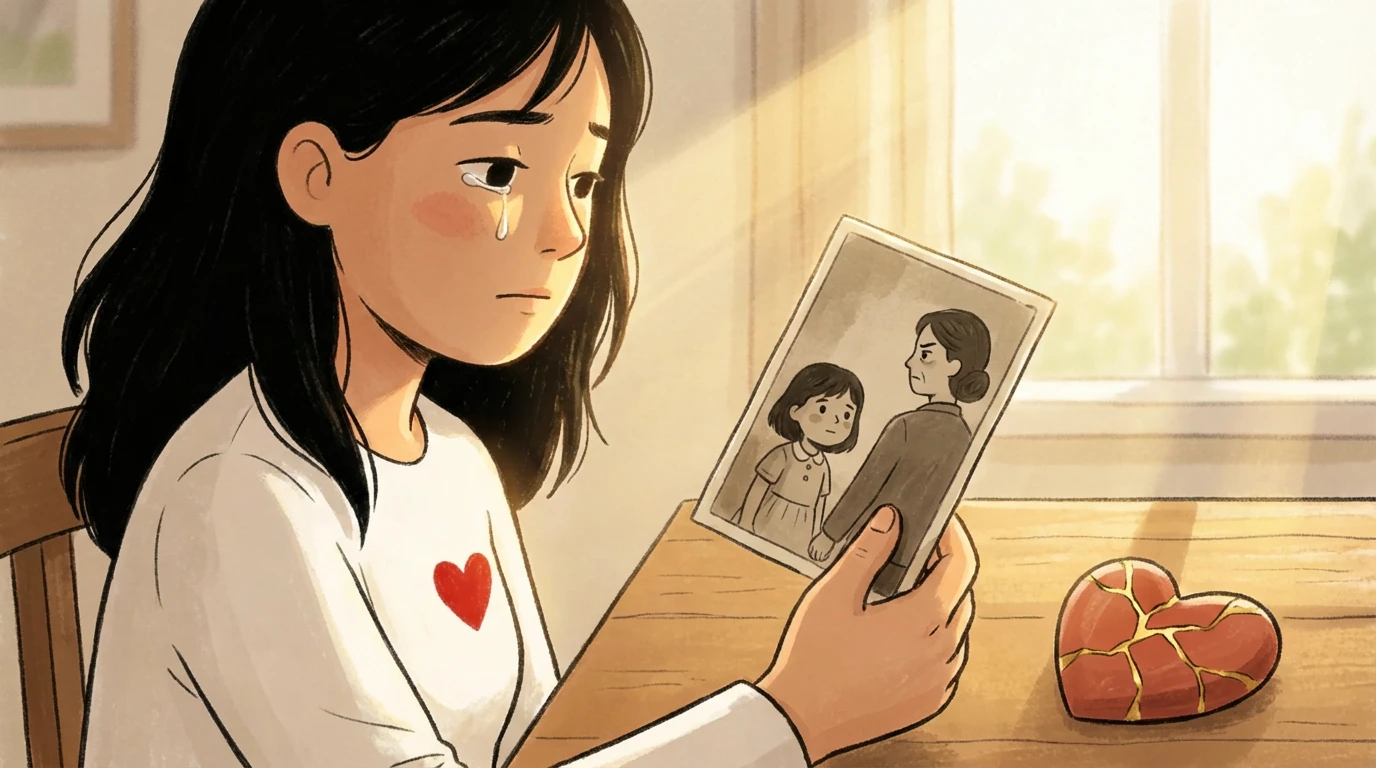
It looks like sitting with a childhood photo and letting the tears come. It looks like telling yourself, out loud: I deserved better than that. I was a child and it was not my fault.
It looks ugly and messy and nothing like the Instagram version of "doing the work."
Some people can do this alone. Many people need a therapist trained in childhood trauma to hold space while the feelings surface. There is no weakness in needing a witness for pain you were forced to carry alone.
Three steps to start processing the wounds
This is not a weekend project. Some of these steps take months. That is fine. You are undoing decades of wiring.
How to begin healing childhood wounds
- Acknowledge the pain directlyFind a quiet moment. Look at a photo of yourself as a child. Let yourself feel what that child experienced. Say it out loud: 'I was hurt. I was not protected.' Do not intellectualize. Just feel.
- Separate their story from yoursYour parent was likely wounded too. Understanding that context can help you stop waiting for an apology that will never come. Their pain explains their behavior but does not excuse it.
- Grieve without a deadlineYou may need to revisit this grief many times. It surfaces in waves, often triggered by your own parenting moments. Let it come. Each wave carries less charge than the last.
- Build what was missingThe things your parent never gave you, you can learn to give yourself. This is the work of reparenting: offering yourself the patience, encouragement, and presence that were absent. Start with how you talk to yourself when you make a mistake.
- Choose your bordersHealing does not require letting harmful people back into your life. You get to decide who has access to you and your children. That boundary is protection, plain and simple.
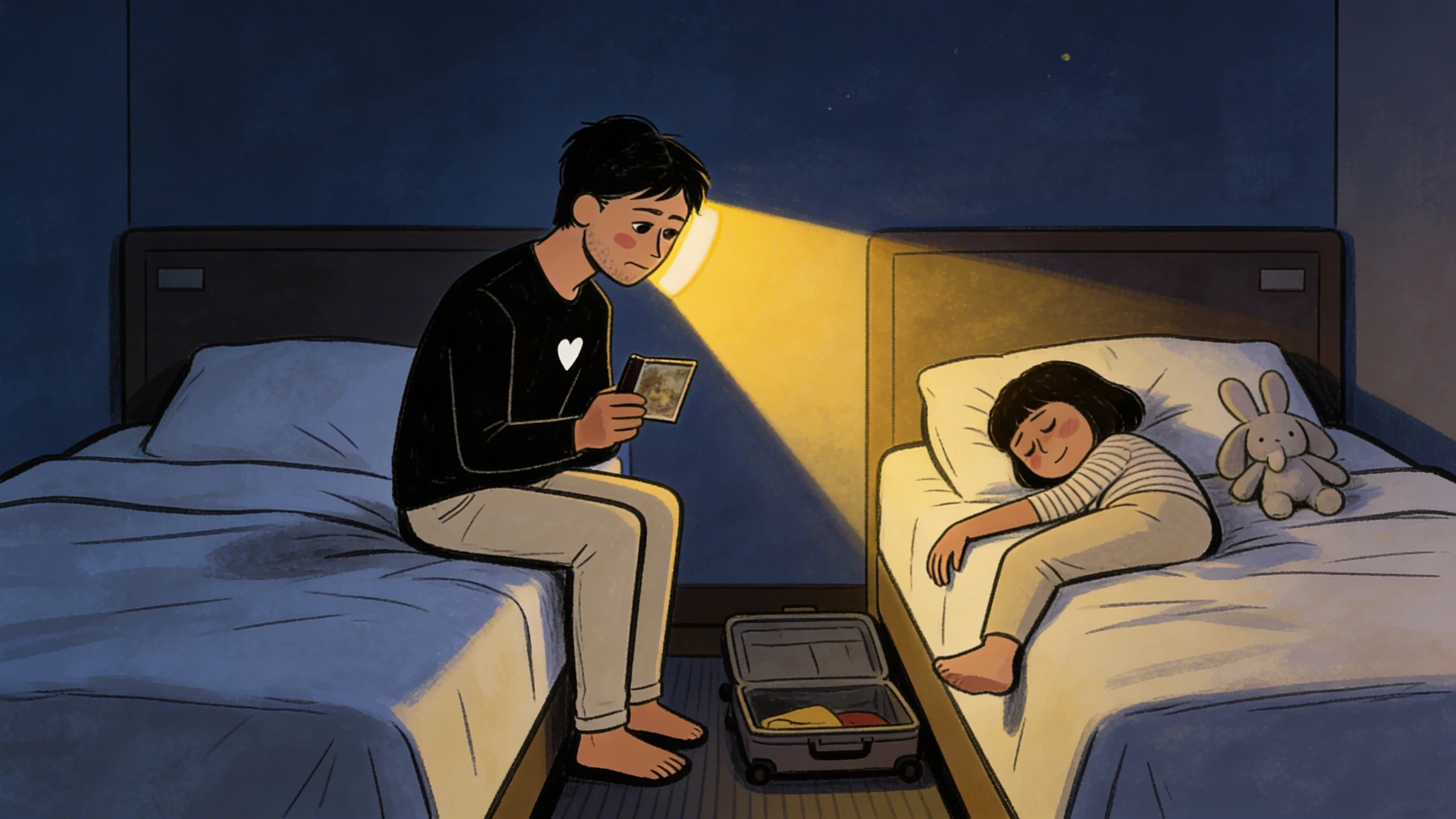
If your parent's emotional absence left you shutting down when things get intense, you may recognize the same pattern of emotional shutdown showing up in your own parenting. That recognition, uncomfortable as it is, means the cycle is already cracking.
What this changes in your parenting
When you start processing old wounds, something shifts. Your child's tantrum stops feeling like a personal attack and starts looking like what it is: a small human with a still-developing brain who cannot regulate yet.
You stop parenting from fear and start parenting from the present. The reactive yelling decreases. The cold withdrawals get shorter. You catch yourself mid-pattern and make a different choice, even if it is only one time out of five at first.
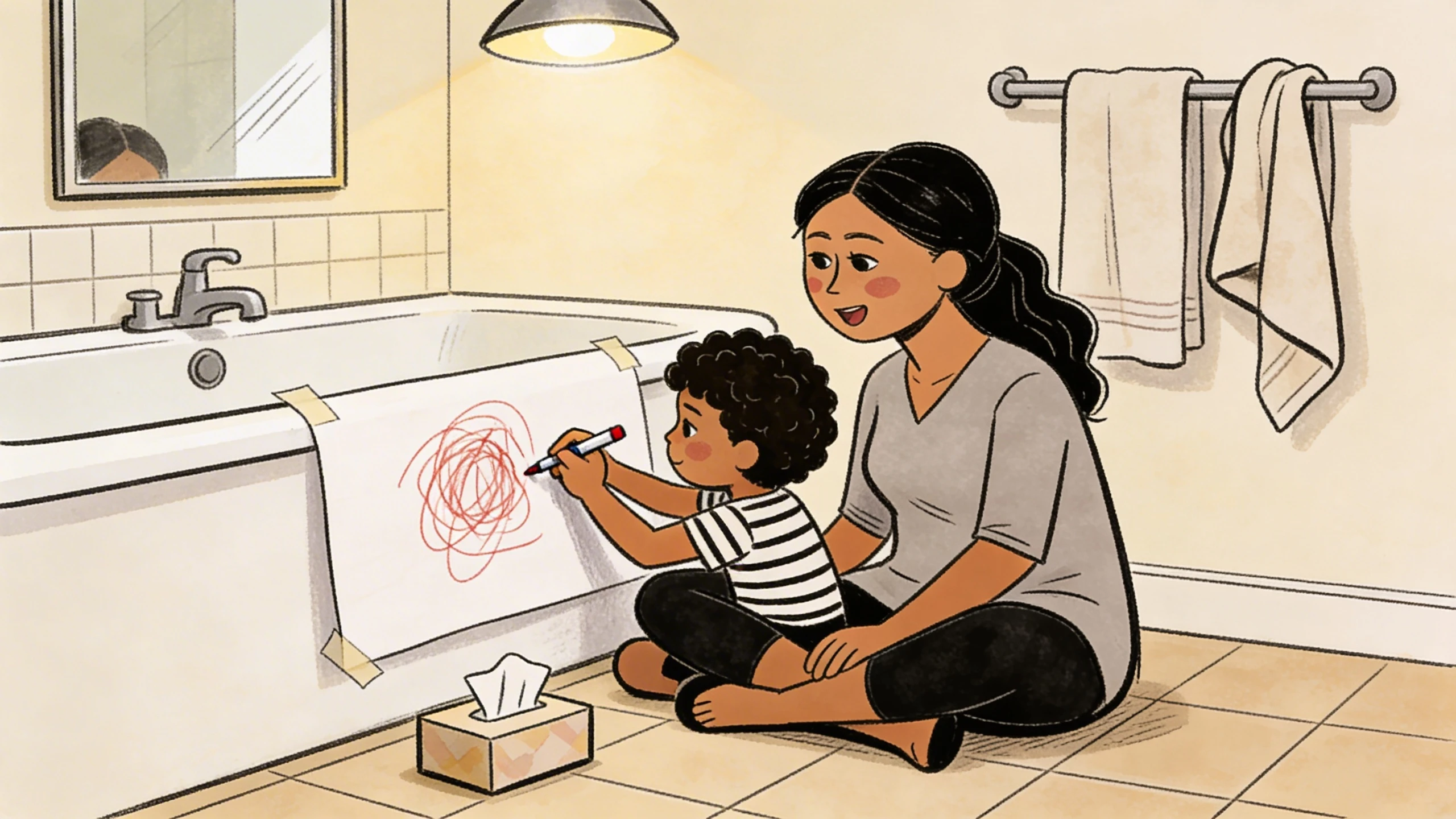
You also start to see your kids more clearly. The behavior that used to trigger a disproportionate response becomes data instead of a threat. Your son is not "never listening." He is two and a half, and he does not want to come inside. That is developmentally normal, and you can hold the boundary without the rage that comes from hearing your own father's voice in your head.
The goal of reparenting yourself is to become a parent who is no longer operating from an old script, not to become a perfect parent. You will still lose your temper. You will still have days when the criticism creeps back in. The difference is that now you notice it, name it, and repair it.
When the wounds run deeper than self-help
Some of this work can happen in quiet moments at home. Some of it happens in conversations with a partner or a trusted friend. But some wounds are deep enough that processing them alone risks retraumatization.
If your childhood involved abuse, neglect, or a parent with untreated mental illness, work with a professional. This is structural repair that requires skilled support, not optional personal growth.
Signs you need more than a book or a journal:
- You dissociate during conflicts with your child
- You find yourself repeating the exact words your parent used
- Rage shows up so fast you cannot catch it before it spills
- You feel nothing where you know emotion should be
Take the communication safety quiz to get a clearer picture of where you stand. And if the results confirm what your gut already knows, act on them.

FAQ
No. Healing is about processing your own pain, not about pardoning anyone. You can fully heal without ever speaking to the person who hurt you. Forgiveness, if it comes, is a byproduct of grief work. It is never a prerequisite.
Occasional triggers do not cause lasting harm. What matters is the pattern over time and whether you repair after a rupture. A parent who loses it and comes back to apologize is teaching something a perfect parent never could: how to handle mistakes.
If your childhood still shapes your reactions as a parent, it qualifies. Trauma is not measured by severity alone. Chronic criticism, emotional absence, and unpredictability all leave marks that affect how you parent today.
Yes, and it helps. Parenting surfaces the exact wounds that need attention. Your child's behavior becomes a mirror showing you what still needs processing. The two tracks reinforce each other.