TLDR
- Sleep ranks above clean laundry. Always. Sleep deprivation puts you at risk for postpartum mood disorders. When someone offers to help, hand them the dishes and take a nap.
- Ask for help with chores, not with holding the baby. Visitors want to cuddle the newborn while you clean. Flip that. You hold the baby. They scrub the kitchen.
- One healthy meal a day is the entire nutrition goal. If someone asks what they can do, tell them to bring food. One real meal a day keeps your body running well enough to function.
- Get out of the house every single day. A walk around the block with the stroller counts. Isolation makes everything harder, and sunlight does more for your mood than any Instagram affirmation.
- Know the difference between baby blues and something bigger. Weepiness in the first two weeks is normal. Intrusive thoughts or escalating anxiety past the two-week mark need a doctor.
The first two weeks are survival mode (and that is fine)
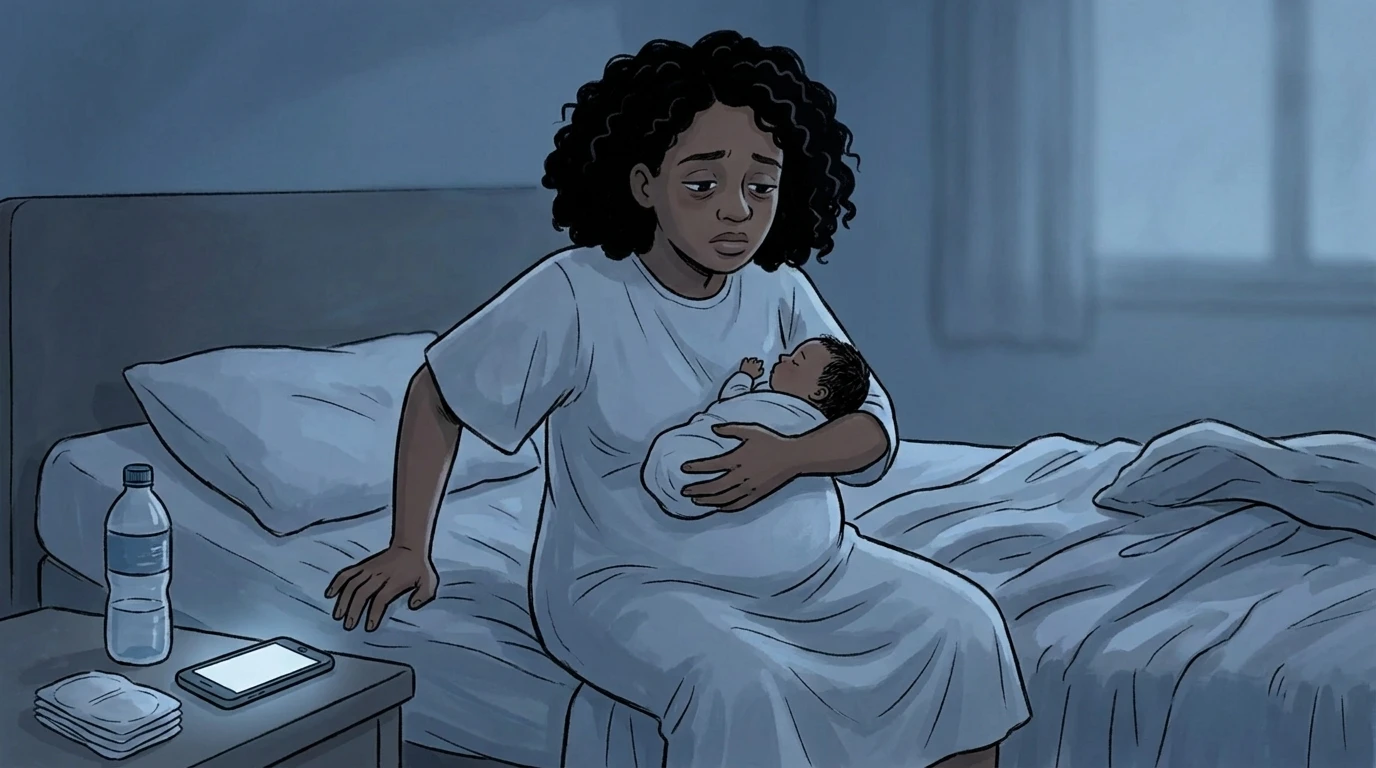
You imagined peaceful mornings with a sleepy newborn on your chest. What you got instead: a screaming baby at 4am, stitches in places you would rather not think about, and the growing suspicion that every other new parent is handling this better than you.
They are not. The postpartum period is physical recovery, hormonal chaos, and a small human who needs you every ninety minutes.
Nothing is wrong with you. The first two weeks are supposed to be hard. If all you accomplish today is feeding your baby and keeping both of you breathing, you have done enough. The dishes are in the sink. The laundry is a mountain. Baby fed, baby safe, parent still standing. Everything else is a bonus.
The script for when someone offers help
If your partner or a visitor asks "how can I help?" and your brain goes blank, try this: "Can you do the dishes and throw in a load of laundry? I'm going to hold the baby." People want to hold the newborn. Let them do the boring stuff instead.
Surviving week three unwashed
The New Parent Survival course will walk you through the hardest weeks
You'll know exactly what to handle today and what can wait, so the fog lifts faster.
Sleep is the thing that keeps you sane
Sleep deprivation is where postpartum hardship crosses from uncomfortable to dangerous. Chronic sleep loss puts you at higher risk for postpartum depression and anxiety. This is the reason sleep needs to rank above every other household task.
When the baby sleeps, you sleep. A nap now gives you the capacity to be present for the next feeding. Answering that email does not.
Practical strategies that work
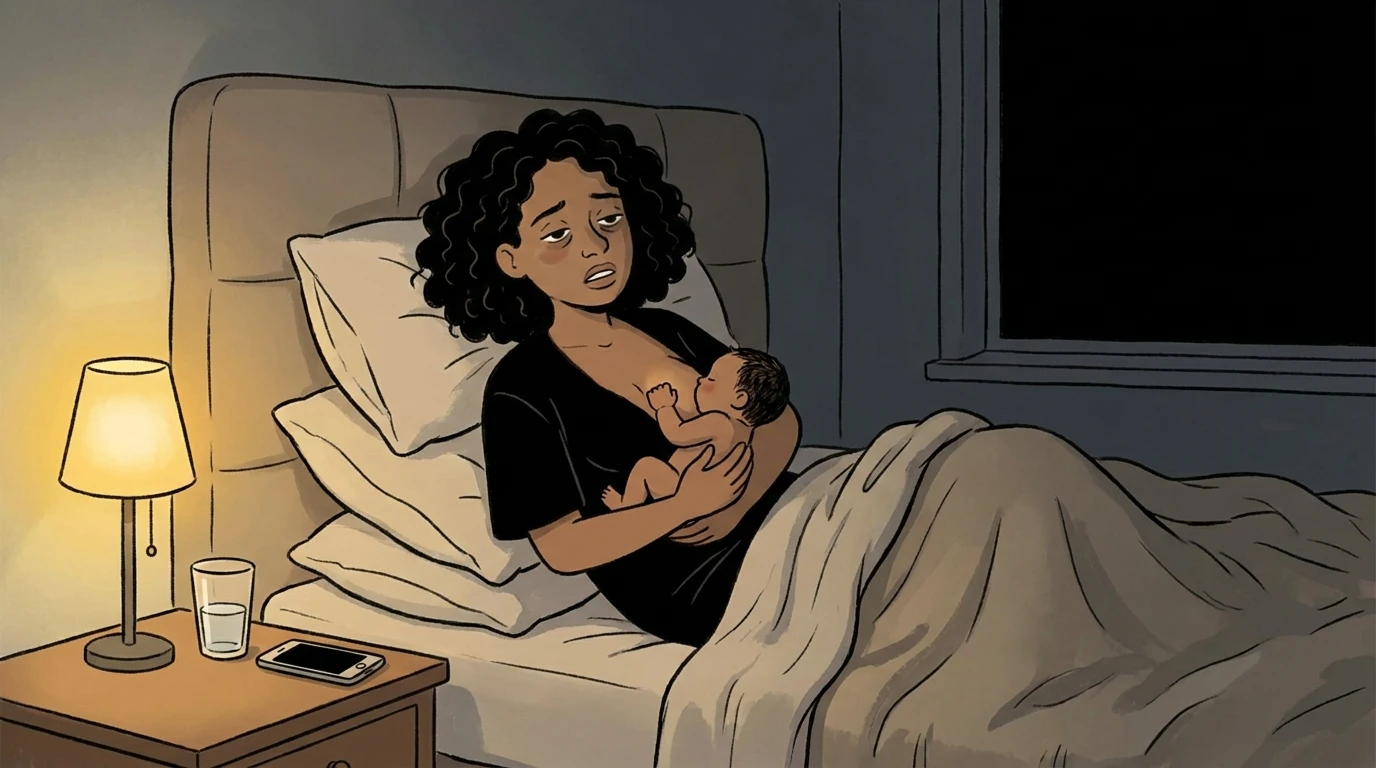
- If you are breastfeeding, learn to nurse lying down so you can doze during night feeds. This one adjustment can add hours of rest per week.
- If your baby sleeps better in a carrier or on your chest, and you can rest safely that way, that counts.
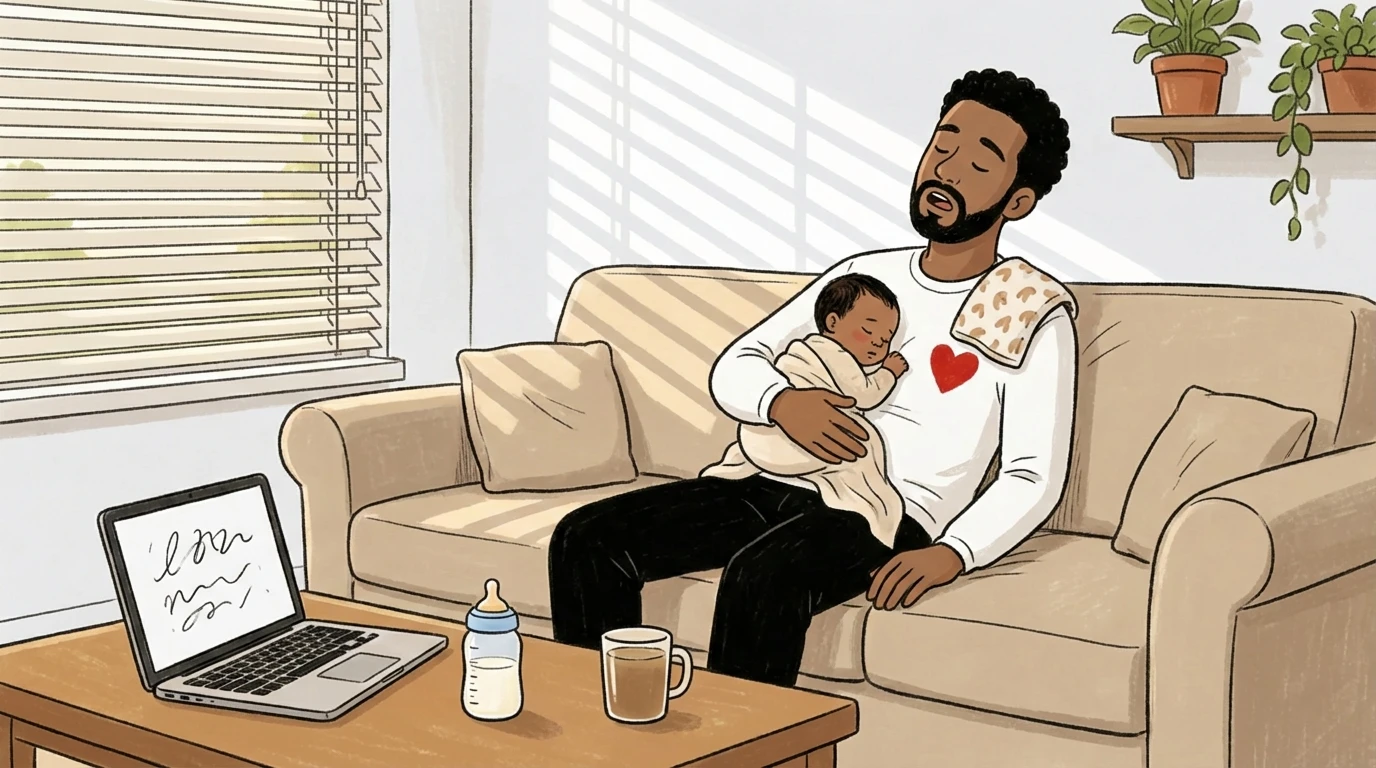
- If your partner can take one night feeding with a bottle, that three-hour stretch of unbroken sleep will feel like a vacation.
When someone offers to watch the baby for an hour, do not clean the house. Sleep. Your brain cannot run on fumes for months.
Feeding the baby (and remembering to feed yourself)
Whether you are breastfeeding, bottle feeding, or doing some combination of both, feeding is the most time-consuming thing you will do in these early weeks. It can feel like the baby is always eating. That is because the baby is always eating.
If breastfeeding hurts or the latch feels wrong, get help early. A lactation consultant can solve in one visit what you might struggle with for weeks alone. The hormones released during nursing are genuinely mood-boosting. If nursing is working, it becomes one of the few moments where your body chemistry is actively helping you feel okay. If nursing is not working, formula is nutritionally complete and your baby will thrive on it.
One real meal a day for you
Your baby eats constantly. You forget to eat at all. Set one goal: one actual meal per day that involves protein and something that was once a vegetable. If someone asks what they can bring, be specific. "Can you make me that pasta thing you do?" works better than "I'm fine, we don't need anything." You are too tired to figure out what you need when someone offers vague help.
Asking for help without losing your mind
Here is the problem with "let me know if you need anything." When you are sleep-deprived and overwhelmed, figuring out how to divide responsibilities requires cognitive energy you do not have. The question itself becomes another task on the pile.
The fix: keep a running list on your phone. When something needs doing, add it. When someone offers help, hand them the list. "Can you grab diapers and milk?" is an answer you can give in three seconds.
The best visitors bring food, do a chore, hold the baby for twenty minutes so you can shower, and leave. You are allowed to set boundaries. "We're doing short visits right now, about thirty minutes" is a complete sentence.
How to survive the first six weeks postpartum
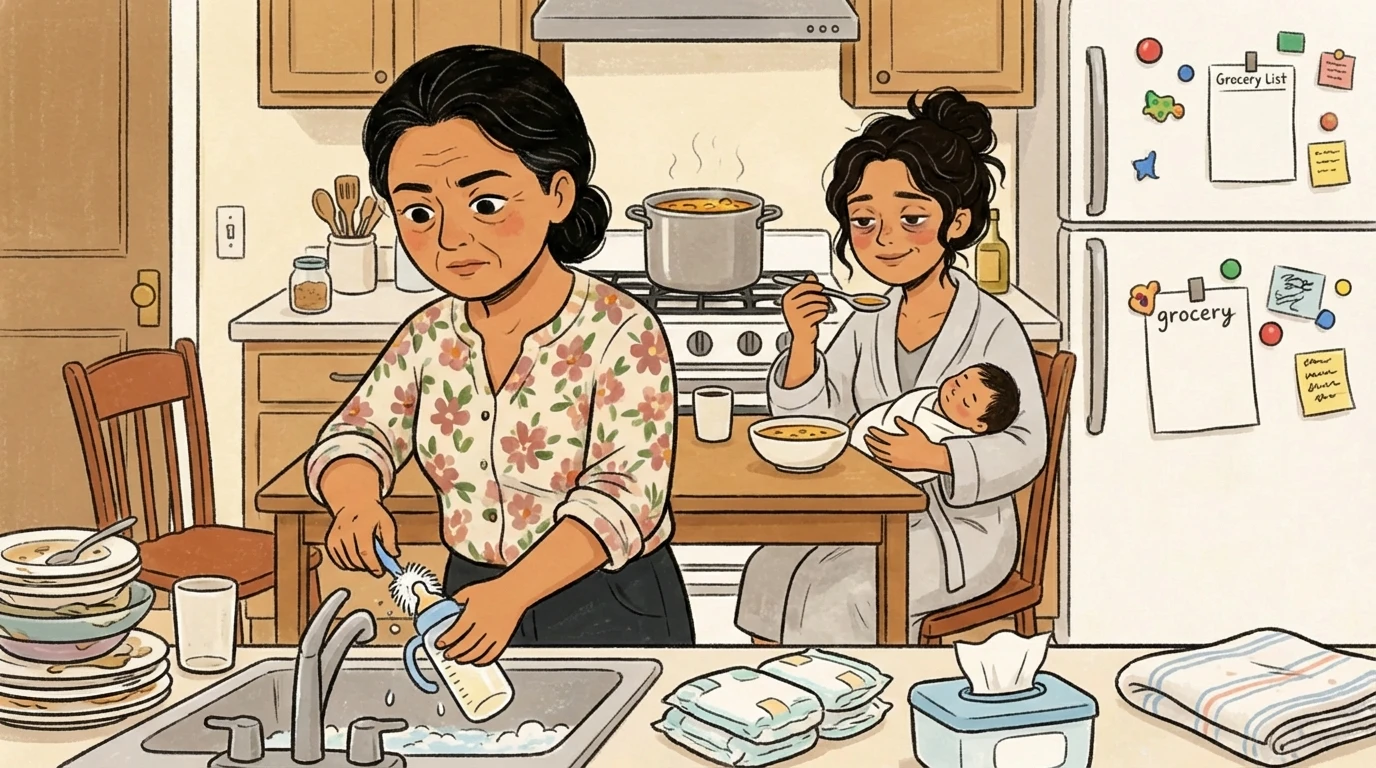
- Outsource the chores, keep the babyWhen people visit, hand them a task. You hold the newborn. They fold laundry, wash bottles, or take out the trash. Bonding happens through holding, not through having a clean kitchen.
- Sleep when the baby sleeps (really)Ignore the dishes. Ignore the emails. Lie down and close your eyes. Even twenty minutes of rest between feeds changes how the next three hours feel.
- Eat one real meal every dayAsk someone to bring food. Be specific about what you want. A single meal with protein and vegetables keeps your body running when everything else falls apart.
- Get outside once a dayA ten-minute walk with the stroller counts. Sunlight helps regulate your circadian rhythm, and moving your body (even slowly) reduces the fog of early postpartum.
- Know your warning signsBaby blues resolve within two weeks. If anxiety escalates past that point, if intrusive thoughts keep coming, or if you cannot sleep even when the baby sleeps, call your doctor.
The partner problem nobody wants to talk about
Both parents are adjusting, but the adjustment looks different. The birthing parent is physically recovering, hormonally volatile, and often the primary food source. The non-birthing partner may feel like a useless third wheel, unsure where they fit.
Talk about the split before you are furious about it. A five-minute conversation about who handles the 2am feeding and who takes the morning shift prevents the 4am fight when you are both running on nothing. If that middle-of-the-night decision-making feels impossible, lower the stakes. Pick one thing each of you owns. Everything else gets shared or ignored.
For non-birthing partners: your baby needs you now, not at some future stage when they are "more interesting." Research shows that early bonding between fathers and infants predicts the quality of that relationship at every age that follows. The window is open.
When to stop googling and call the doctor
Every new parent googles things at 3am. Some of this is harmless. Some of it sends you into a spiral of irrational fear that makes everything worse. Set a limit. Two searches per concern. If the answer is not clear after that, call the pediatrician in the morning.
The mental health check you owe yourself
Baby blues affect up to 80% of new parents. Weepiness, mood swings, feeling overwhelmed: all normal in the first two weeks. But postpartum anxiety is a different thing, and it does not always announce itself clearly.
Watch for: intrusive thoughts about harm coming to the baby, anxiety so intense it prevents sleep even when the baby is sleeping, paranoia that escalates instead of fading. One in seven new parents will experience a postpartum mood disorder. It is common, it is treatable, and catching it early makes recovery faster. If someone tells you "it's just hormones" and your gut says this is more than that, trust your gut.
The fog lifts
Somewhere around six weeks, the survival phase starts to ease. The baby sleeps a little longer. You figure out the feeding rhythm. You eat a meal with both hands.
You will not notice the shift on the day it happens. You will notice it in retrospect: the first morning you wake up and feel something other than dread. The first time you laugh at something the baby does instead of crying about it.
The postpartum period is temporary. It does not feel temporary when you are in it. But every parent on the other side will tell you the same thing: it ends. And when it does, you will know your baby better than anyone alive.
If you are also adjusting to life with an older child and a newborn, the chaos doubles, but the same survival principles apply: sleep strategies first, chores last, and ask for help with the stuff that does not require you.
FAQ
The acute survival phase is roughly six weeks. Physical recovery, hormonal shifts, and sleep deprivation peak in the first two to three weeks and gradually improve. Most parents feel much more functional by six to eight weeks, though full recovery takes longer.
Yes. Nearly every new parent feels incompetent during the first weeks. The learning curve is steep, the baby changes constantly, and sleep deprivation makes everything harder. Feeling lost means you are new at this, not bad at it.
Have the conversation before resentment builds. Be specific about what you need rather than hoping they will figure it out. The baby needs two rested parents, and that requires splitting the load, even imperfectly.
Baby blues should resolve within two weeks. If sadness deepens, if anxiety escalates, or if you have intrusive thoughts that frighten you, talk to your doctor. Postpartum mood disorders are among the most treatable conditions in mental health.
If you are chronically sleep-deprived, yes. Sleep protects against postpartum mood disorders more than any other single factor. The dishes and emails will wait. Your mental health will not wait indefinitely.