TLDR
- Children do not forget trauma because you stop talking about it. Unprocessed trauma stays in the body as nightmares, anxiety, and behavioral problems. Talking about it in age-appropriate terms with a safe adult is how healing works.
- Self-blame is almost universal in traumatized children. They assume they caused it, could have prevented it, or deserved it. You will need to say 'this was not your fault' dozens of times before it sticks.
- Play is the child's version of therapy. When a child reenacts a scary experience with themselves in the powerful role, they are processing trauma the only way their brain knows how. Let them.
- A story with an ending is less terrifying than one without. Helping your child build a story of what happened, complete with a safe ending, transforms fragmented terror into something their brain can file as past.
- Your own trauma response matters. If you are falling apart, your child loses their anchor. Get yourself a listener or a therapist so you can hold space for your child's pain.
What trauma looks like in a child
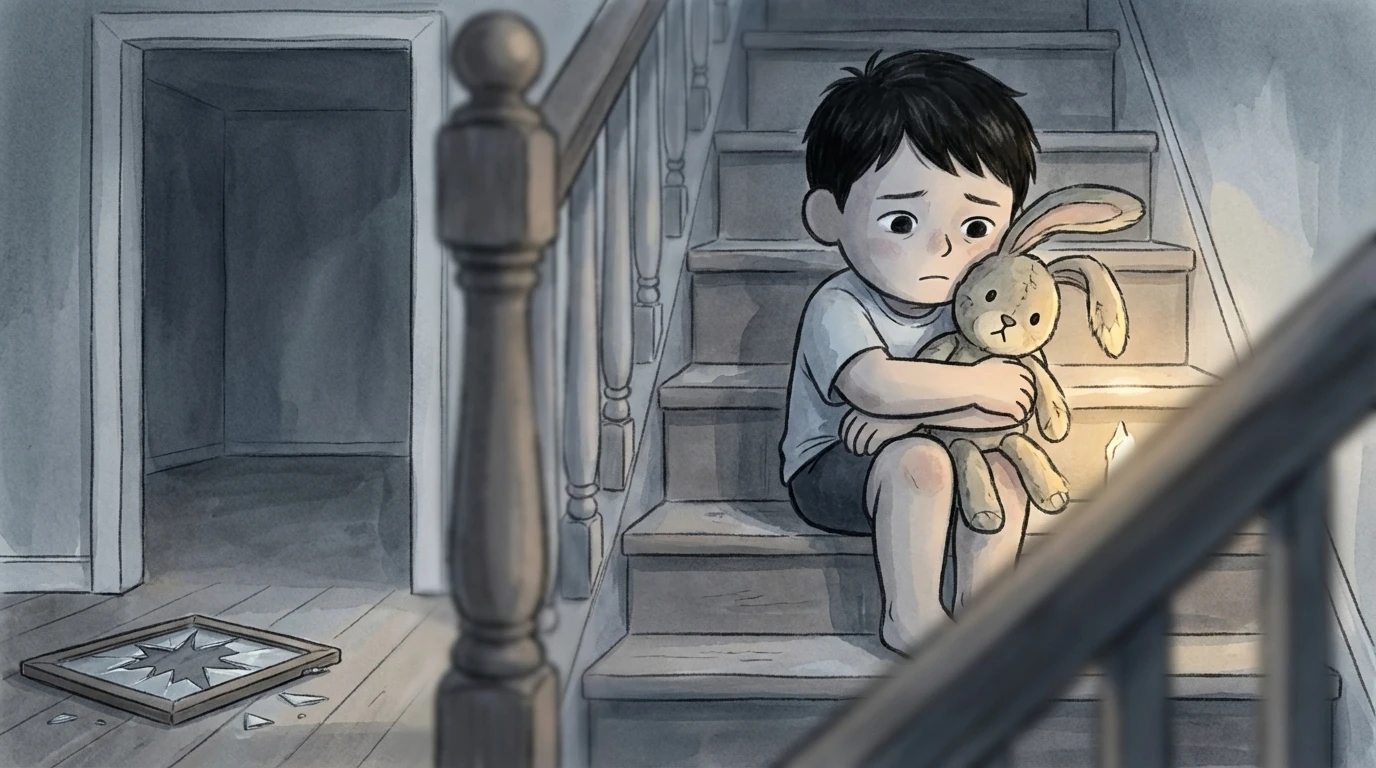
Your four-year-old starts waking at 2 AM screaming. Your six-year-old, who used to run ahead of you into every store, now won't let go of your hand. Your toddler, who was chattering in full sentences, stops talking.
A traumatic event teaches a child's nervous system that the world is dangerous and unpredictable. Their brain rewires around that lesson. Every unfamiliar place becomes a potential threat. Every loud sound triggers the memory. The nervous system shifts into permanent alert mode, scanning for danger even when there is none.
A child who witnessed domestic violence may hear shouting that isn't there. A child who went through medical procedures may panic at the sight of a white coat. A child who experienced abuse may flinch at unexpected touch. The mechanism is the same: the brain got stuck in a moment of terror and cannot find its way back to safety without help.
The fears you won't expect
Children who witnessed violence often feel guilty for not protecting the parent who was hurt. Children who went through medical trauma sometimes believe their parent let it happen on purpose. Children who experienced abuse almost always believe it was their fault. These beliefs are not rational, and you cannot reason a child out of them with a single conversation. You will need to address them directly, repeatedly, for weeks or months.
Nightmares after what they saw
The Life Transitions course will show you which reactions need help
You'll separate normal stress responses from warning signs and know exactly when to call a professional.
Naming what happened (and why parents avoid it)
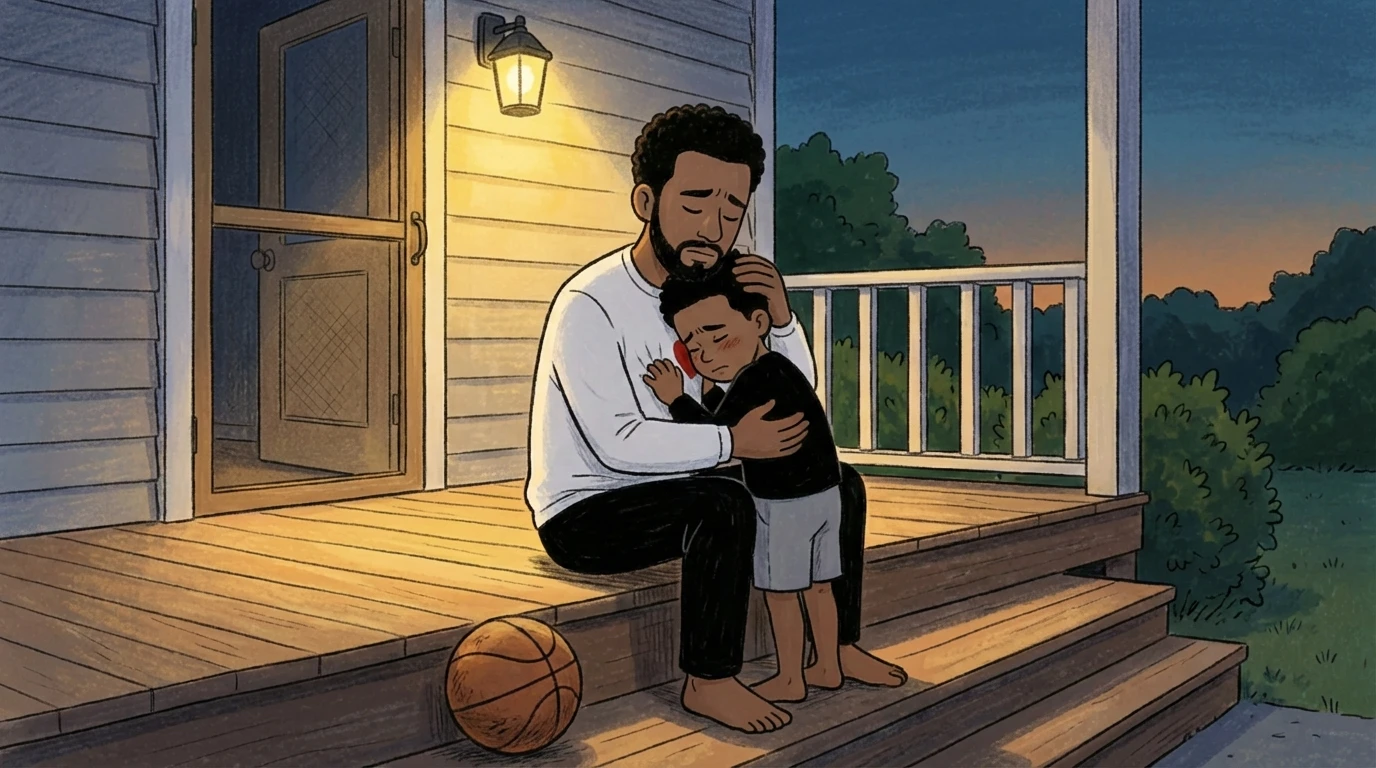
The instinct is to protect your child from the details. Don't bring it up. Let them forget. Move on. This instinct is wrong: children who are not helped to process trauma do not forget it. They carry it in their bodies as anxiety, sleep disruption, and behavior that adults mislabel as defiance.
Your child needs you to name what happened in simple, honest language that explains what occurred, names the emotions, and ends with safety.
For a child who witnessed violence: "Daddy got very angry. He was hurting inside and his mind was not working right. He shouted and hit. It was so scary. You were frightened. I was frightened. But I got us away. We are safe now. I will always keep you safe."
For medical trauma: "You were very sick and the doctors had to use needles and medicine to help your body heal. It hurt and you were so scared. But your body was strong. It got better. You are home now and you are safe."
You are not planting ideas by talking about it. The memories are already there, fragmented and chaotic. You are giving those fragments a container.
The healing book
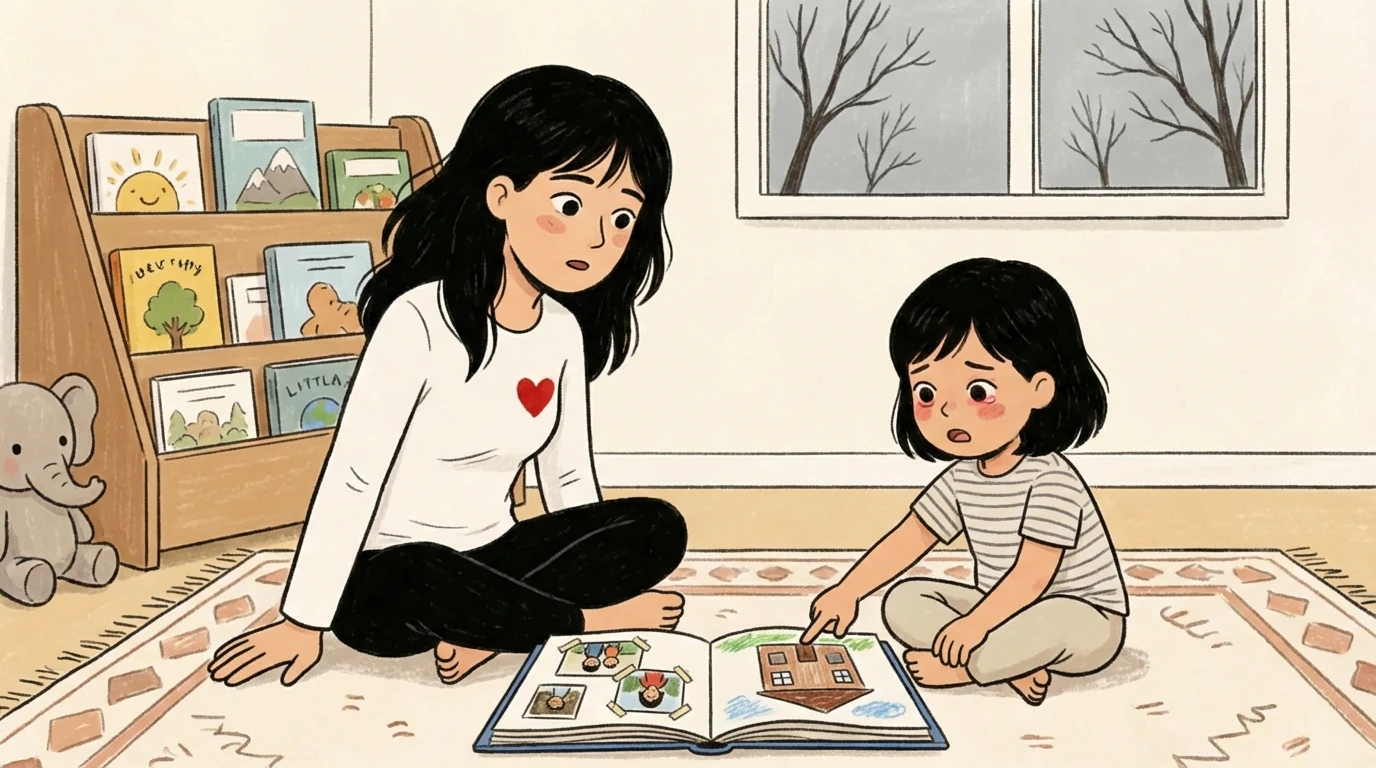
Take photos or draw pictures of what happened. Glue them onto paper. Write simple captions in your child's words. Start with life before the event, move through the scary part, and end with where you are now: safe, together, healing.
This works because of how memory operates. Right now, your child's traumatic experience is stored as a jumble of nightmares and raw emotion. Making a book builds a bridge between that chaotic emotional memory and an organized story with a beginning, middle, and end. A story with an ending is something a brain can file as "past." A formless dread is something a brain replays on loop.
If your child says "you hurt me" about being held down for stitches, those words go in the book. You add context around them, but you do not edit their experience. Expect tears when you read it together. Those tears are the healing. Stop reading, hold your child, and say: "I am right here. You are safe. You can cry now." They will want to read the book again and again. Each reading processes another layer.
Play is therapy (let them be the powerful one)
Children have a built-in drive to act out what was done to them. This looks alarming if you do not understand it, but it is their brain's natural repair mechanism.
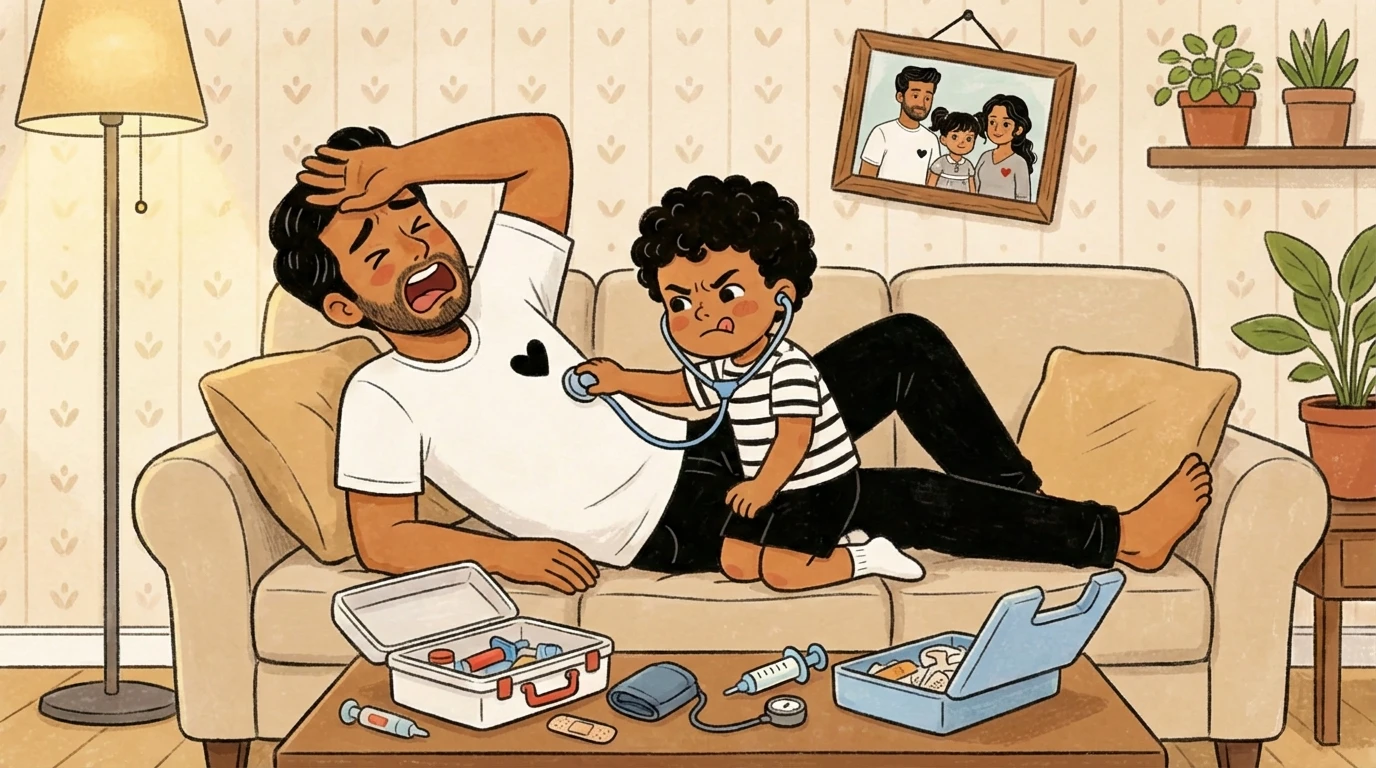
Get a doctor kit and let your child give you shots. Let them draw your blood with a toy syringe. Ham it up. Act a little scared (not enough to frighten them, just enough to make them giggle). That laughter is releasing the exact same tension as crying. Every giggle during trauma play is another knot loosening.
The role reversal is the point. Your child was powerless during the event. In play, they become powerful. They are rewriting the story from a position of agency.
Taking care of yourself so you can take care of them
You cannot be your child's anchor if you are drowning. And if your own history includes trauma, your child's experience may be reactivating wounds you thought were healed.
Get yourself a listener. A friend, a therapist, a parenting coach. Someone who will let you talk and cry and rage without judging or fixing. You need to discharge your own grief so it does not leak onto your child as impatience or emotional shutdown.
When to get professional help for your child
If your child's symptoms are not improving after four to six weeks, if they are showing signs that suggest professional support, or if the trauma involved abuse, find a therapist who specializes in childhood trauma specifically. A general therapist is not enough.
Tell your child that the therapist is someone safe to talk to. And tell them that if there is something they feel embarrassed to share, that is the exact thing that is most important to say. Children censor the parts that carry the most shame, and those parts are precisely what need to come out.
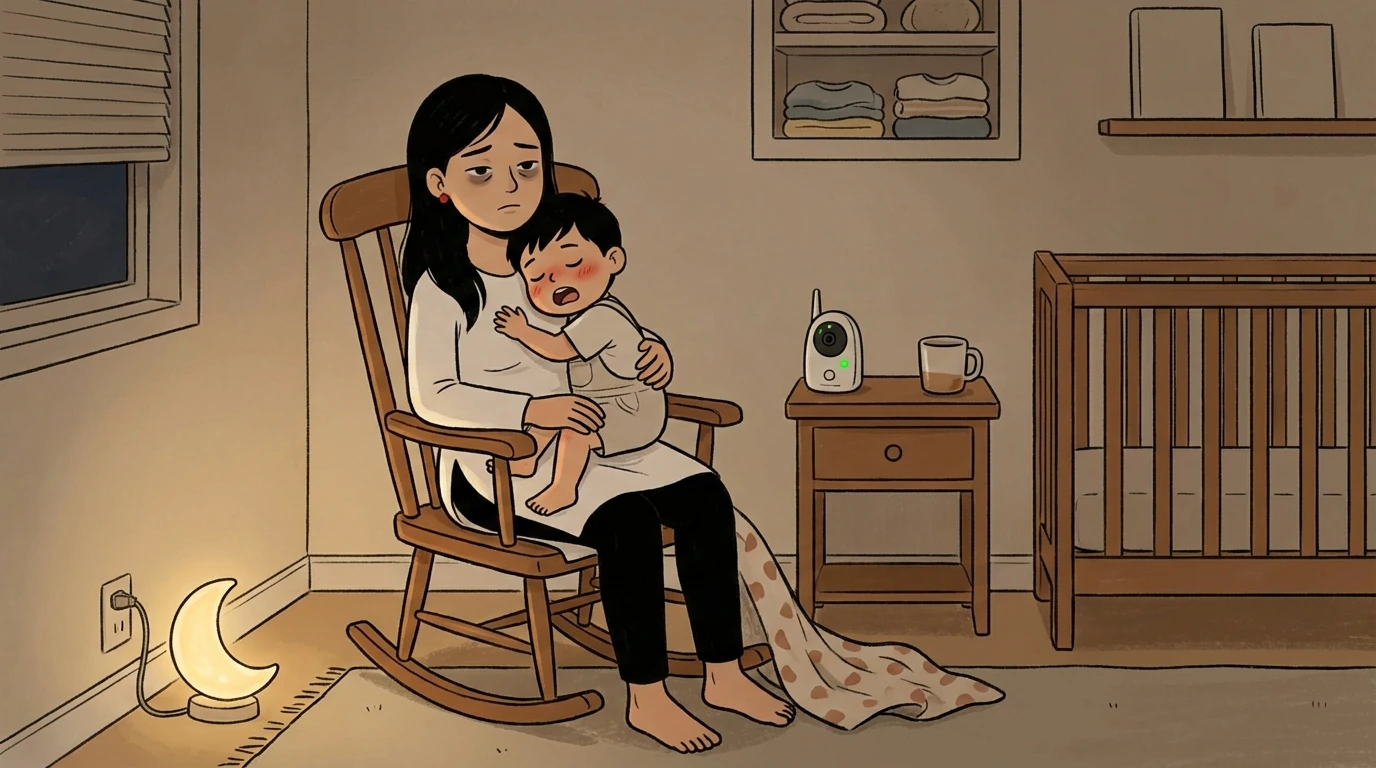
The long road (and why it is worth walking)
Healing from trauma is not linear. Your child will have good weeks and bad weeks. They will seem fine for a month and then fall apart over something that seems small. That small thing was a trigger, and the falling apart is their brain doing another round of processing.
Your job through all of it is to be boring and predictable. Same bedtime. Same routines. Same message: you are safe, I am here, this was not your fault. The repetition feels excessive to you. To your child, it is the drumbeat their nervous system uses to recalibrate from threat mode to safety mode.
Children who get help processing trauma recover. Honest information, space to feel, play that restores agency, and a parent who stays steady through the storm. That is the recipe.
How to help your child process a traumatic experience
- Name what happened honestlyUse simple, age-appropriate language to explain the event. Do not lie, minimize, or skip the scary parts. Children fill gaps with imagination, and imagination is worse than truth.
- Make it safe to feel everythingLet your child cry, rage, tremble, or go silent. Do not rush them to feel better. Stay physically close and say 'I am right here' more than you say anything else.
- Build the story togetherCreate a simple book with photos or drawings about what happened. Let your child add their own words. Read it together as many times as they want. Each reading processes another layer.
- Let them play it outGet a doctor kit, action figures, or dolls and let your child reenact what happened with themselves in the powerful role. Laughter during this play is releasing the same tension as tears.
- Repeat the safety message dailyEvery single day, in quiet moments, tell your child they are safe now. Tell them it was not their fault. Tell them you will keep them safe. One reassurance is not enough. They need hundreds.
- Get professional help when neededIf symptoms persist beyond six weeks, find a therapist who specializes in childhood trauma. A general therapist is not sufficient. Your child needs someone trained in trauma-specific approaches.
FAQ
If your child is still having nightmares, panic responses, or behavioral regression more than four to six weeks after the event, that is your signal. Other red flags include hearing or seeing things that are not there, refusing to go places they used to enjoy, or new aggression that was not part of their personality before. Trust your gut and seek a trauma-specialized therapist.
The opposite. Unprocessed trauma does not fade on its own. It stays in the body as anxiety, sleep disruption, and behavioral problems. Talking about what happened in age-appropriate terms with a safe adult builds a neural bridge between the raw emotional memory and a coherent story the child can understand. The tears that come during that process are healing.
Self-blame is one of the most common responses to childhood trauma. Say it once and then say it fifty more times: this was not your fault. Children need to hear this repeatedly because a single reassurance will not override deeply held shame. Be specific about why it was not their fault. And find a counselor experienced in childhood trauma.
Yes. Children who receive help processing trauma recover and lead full lives. The brain is remarkably plastic in childhood. What matters is that the child gets to tell their story, express their feelings, and rebuild a sense of safety. Untreated trauma is what causes lasting damage, not the event itself.